
Highlights
- South Korea and Mongolia agreed to cooperate on rare earth exploration, mining, refining, and advanced manufacturing under a new Comprehensive Economic Partnership Agreement.
- Mongolia holds an estimated 31 million tonnes of rare earth reserves, potentially second only to China, making it a pivotal jurisdiction in critical mineral diversification.
- The Joint Research Center for Rare Metals signals both nations are targeting the full value chain—from ore processing to alloys and magnets—not just raw extraction.
- Bilateral trade is targeted to reach US$1 billion within five years, reflecting serious strategic and economic ambitions behind the partnership.
- Investors are cautioned that the agreement remains a framework; financing, permitting, and offtake agreements must materialize before supply chain impact is realized.
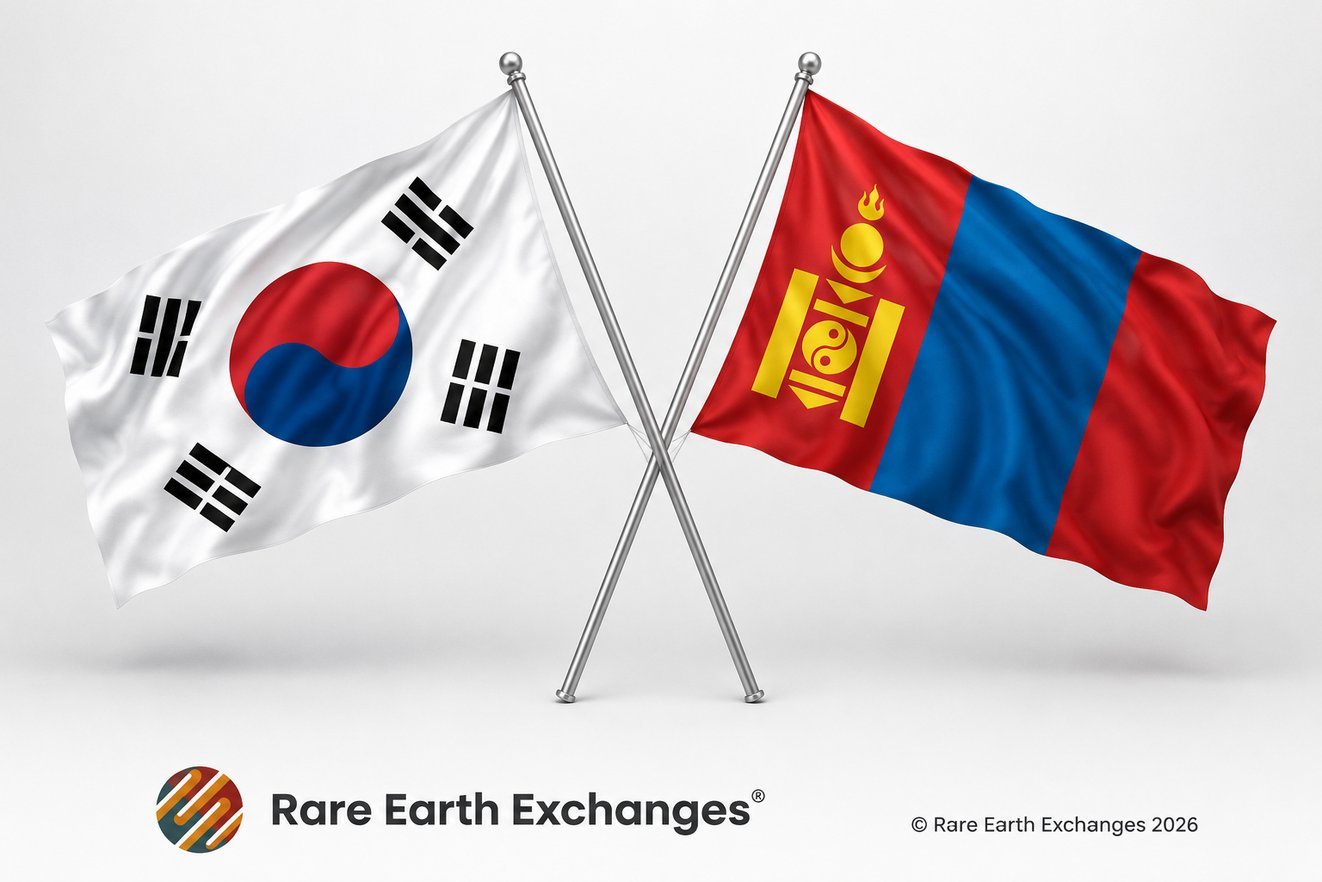
South Korea and Mongolia have moved beyond diplomacy into industrial strategy. During President Lee Jae Myung's (opens in a new tab) state visit, the two nations agreed to deepen cooperation on rare earths, critical minerals, refining, and advanced manufacturing under a new Comprehensive Economic Partnership Agreement (CEPA). Rare Earth Exchanges® views the agreement as another sign that Great Powers Era 2.0™ is accelerating: nations are no longer competing merely for mineral deposits—they are competing to build resilient industrial ecosystems beyond China's dominant supply chain. The announcement is strategically important, but investors should distinguish between political intent and commercial execution.
From State Visit to Supply Chain Strategy
Rare earths have become instruments of diplomacy, as media around the world are picking up such stories, including Korea JoongAng Daily (opens in a new tab). President Lee concluded his visit to Mongolia by securing an agreement in principle on a Comprehensive Economic Partnership Agreement while expanding cooperation in critical minerals, rare earth exploration, mining, ore processing, refining, and higher-value manufacturing. The two governments also set a goal of increasing bilateral trade to US$1 billion within five years, reflecting a broader effort to strengthen supply chain resilience.
Why Mongolia Matters
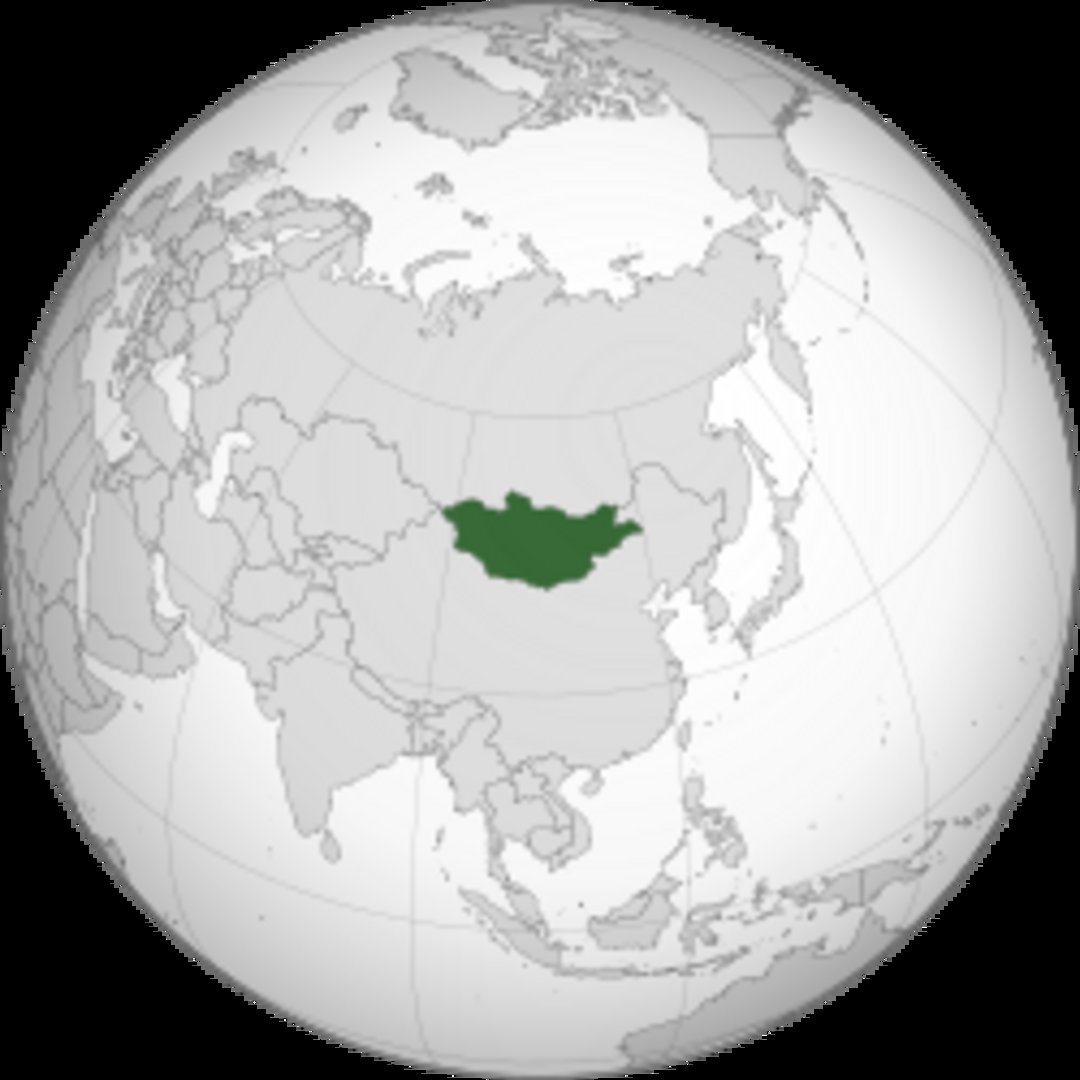
Rare Earth Exchanges previously covered Mongolia as one of the world's most strategically important undeveloped critical mineral jurisdictions. At least some reports suggest Mongolia possesses an estimated 31 million tonnes of rare earth reserves, second only to China. One such accounting was the U.S. Geological Survey, as reflected in a Global Business Reports (opens in a new tab) accounting. While reserve estimates differ among reporting agencies and should be interpreted cautiously, Mongolia's geological potential is substantial. Equally important is its geography: positioned between China and Russia while maintaining close ties with South Korea, Japan, Europe, and the United States, Mongolia occupies a pivotal place in the emerging competition to diversify critical mineral supply chains.
Beyond Mining Lies the Real Prize
This agreement reinforces Rare Earth Exchanges' central thesis: Great Powers Era 2.0™ is not a contest over rocks—it is a contest over industrial ecosystems. Notably, Seoul and Ulaanbaatar committed not only to mining but also to ore processing, refining, technology transfer, and higher-value manufacturing through the Joint Research Center for Rare Metals. That distinction matters. Mining captures only a fraction of the value chain; separation, metals, alloys, magnets, and advanced manufacturing create the strategic and economic advantage.
Mongolia
The Investor's Reality Check
The direction is strategically sound, but today's announcement remains a framework rather than a finished industrial plan. Details surrounding financing, processing technology, commercial partners, environmental permitting, customer qualification, and long-term offtake agreements have yet to emerge.
For investors, the signal is unmistakable: another strategically aligned nation is positioning itself to reduce dependence on China's rare earth ecosystem. Whether this initiative ultimately reshapes global supply chains will depend not on diplomatic declarations, but on successful commercial execution. In Great Powers Era 2.0™, industrial capability—not political aspiration—will determine the winners.


0 Comments
No replies yet
Loading new replies...
Moderator
Join the full discussion at the Rare Earth Exchanges Forum →