
Highlights
- China exported 30,482.8 tonnes of rare earths in H1 2026, a 6.4% year-over-year decline, per China's General Administration of Customs.
- Aggregate export data obscures critical shortfalls in heavy rare earths like dysprosium, terbium, and yttrium, which have fallen far more sharply than totals suggest.
- China's strategic leverage lies in controlling separation, metallization, alloy production, and permanent magnet manufacturing—not just raw tonnage.
- Beijing's export licensing process remains opaque, leaving manufacturers in Japan, Europe, and North America facing significant supply shortages.
- Investors should monitor export licenses and downstream product flows, not headline tonnage figures, to assess true supply chain risk.
China exported 30,482.8 tonnes of rare earths during the first half of 2026, down 6.4% year over year, according to the General Administration of Customs (GAC), (opens in a new tab) as reported (opens in a new tab) by Global Times. At first glance, the numbers suggest only a modest decline. Rare Earth Exchanges® assessment: investors should resist drawing broad conclusions from aggregate export tonnage. China's strategic leverage lies not in total volumes but in its control of heavy rare earths, separation capacity, export licensing, metals, alloys, and permanent magnets—the true chokepoints in the global supply chain.
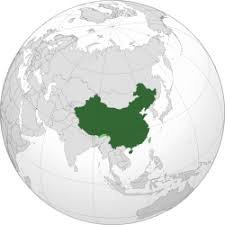
The Tonnage Trap
China reported 5,104.8 tonnes of rare earth exports in June, continuing a relatively stable flow of overall shipments.
But the customs category labeled "rare earths" is broad. It does not disclose how much consists of light rare earths versus heavy rare earths, nor does it identify the specific oxides, metals, alloys, or downstream products being exported.
That distinction matters.
REEx has reported that since Beijing tightened export controls, exports of critical heavy rare earths—including dysprosium, terbium, and yttrium—have fallen far more sharply than aggregate customs data suggest, creating significant shortages for manufacturers in Japan, Europe, and North America.
What Beijing Says—and Doesn't Say
China's messaging has remained remarkably consistent.
The Ministry of Commerce (MOFCOM) has defended the export control regime as lawful while stating it is prepared to address trading partners' "reasonable and lawful concerns." Foreign Ministry spokesperson Lin Jian has argued the measures follow international practice and criticized G7 efforts to reduce dependence on Chinese critical minerals. Commerce Minister Wang Wentao has similarly linked rare earth trade issues to broader negotiations with Europe.
Those statements explain China's policy. They do not explain how export licenses are granted, how quickly applications are processed, or why certain products remain exceptionally difficult to procure.
REEx Perspective: The Mine-to-Magnet Advantage
Global Times accurately reports the customs statistics. What it omits is the larger strategic picture.
The contest is no longer about shipping more tonnes. It is about controlling which products move, who receives them, and under what conditions.
Under Great Powers Era 2.0™, China's advantage extends well beyond mining. It controls much of the world's separation, metallization, alloy production, and permanent magnet manufacturing. Aggregate export data reveal little about those strategic chokepoints.
For investors, the lesson is simple: watch the licenses—not the tonnes.
Sources: Global Times (citing China's General Administration of Customs), China's Ministry of Commerce (MOFCOM), China's Ministry of Foreign Affairs, Reuters.


0 Comments
No replies yet
Loading new replies...
Moderator
Join the full discussion at the Rare Earth Exchanges Forum →