
Highlights
- CREIA completed a field survey of Zhejiang Province permanent magnet motor manufacturers, identifying high NdFeB magnet prices as the top barrier to broader commercialization.
- Manufacturers across home appliances, electric tools, and motor sectors consistently flagged rising raw material costs as limiting their ability to scale production.
- CREIA will relay industry concerns through policy channels while continuing to support China's national rare earth strategy and dual-use export control framework.
- The survey illustrates China's competitive advantage: a coordinated ecosystem linking industry associations, manufacturers, and policymakers to manage the rare earth value chain.
- Western OEMs and governments face a growing dilemma—achieving supply-chain resilience will likely require paying a premium for non-Chinese magnets that undercuts global cost competitiveness.
The China Rare Earth Industry Association (CREIA) has completed a field survey of Zhejiang Province's permanent magnet motor industry, meeting with manufacturers across the value chain to assess technology development, market demand, and industry challenges. The most consistent message from manufacturers was that persistently high neodymium-iron-boron (NdFeB) magnet prices are limiting broader commercialization of permanent magnet motors. CREIA said it will convey these concerns through policy recommendation channels while continuing to support China's national rare earth strategy and export-control framework.
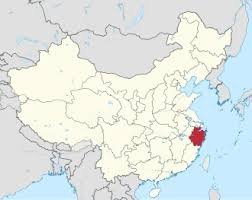
Zhejiang Province
REEx Insight | China Is Fine-Tuning Its Entire Rare Earth Ecosystem
This announcement offers a window into how China manages its rare earth industry beyond mining and refining. CREIA is serving as a bridge between manufacturers and policymakers, collecting operational intelligence directly from companies and feeding that information into government policy discussions. The survey also highlights an important dynamic often overlooked in Western analysis. China's rare earth strategy is not simply about maximizing upstream production. It also seeks to balance the interests of miners, magnet producers, and downstream manufacturers.
High magnet prices benefit portions of the supply chain, but they can slow adoption of permanent magnet motors in electric vehicles, industrial automation, appliances, and other strategic industries. This continuous feedback loop between industry associations, manufacturers, and policymakers remains one of China's competitive advantages.
Industry Tour Focuses on Permanent Magnet Motors
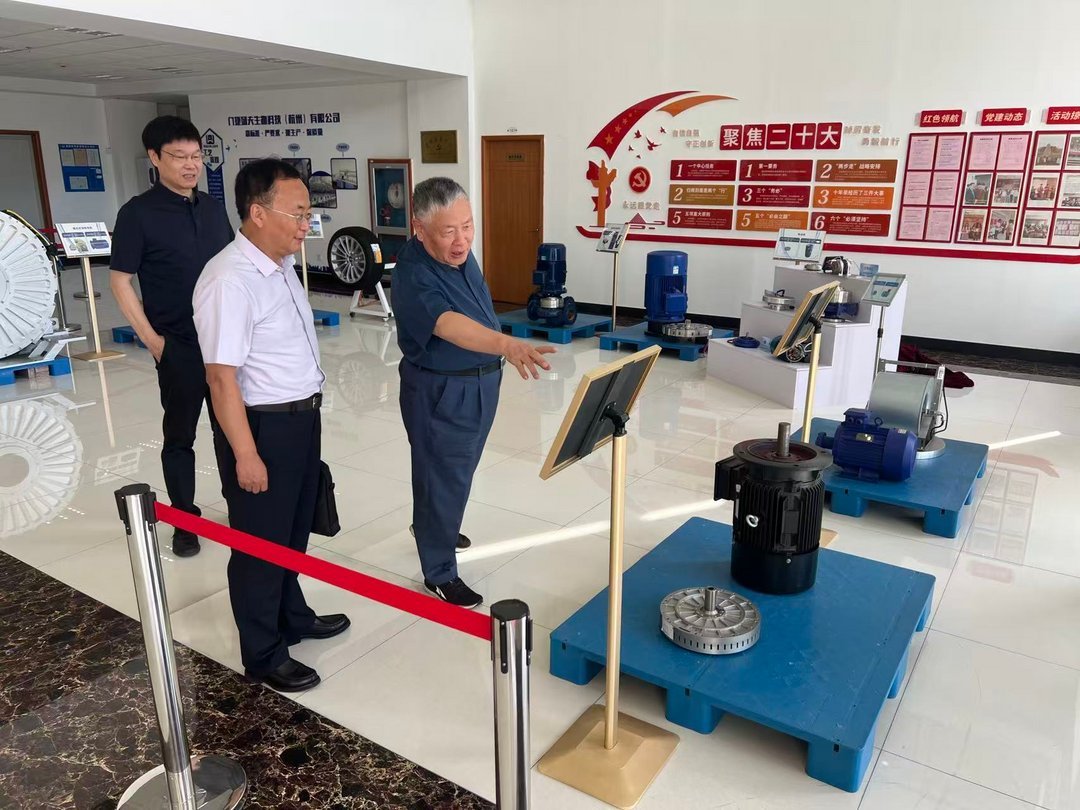
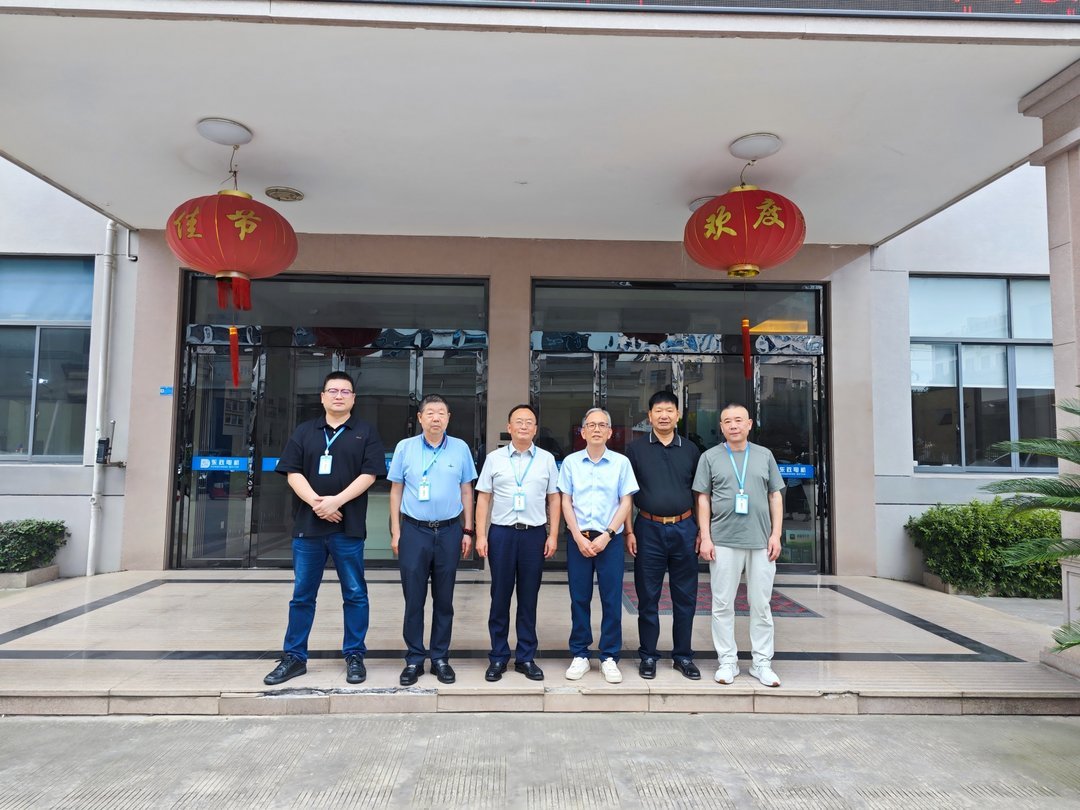
Led by Lin Anli, Vice Chairman and Secretary General of CREIA, the delegation visited several Zhejiang companies involved in permanent magnet motor development and manufacturing.
At Hangzhou Aiweis Electronics, executives demonstrated the company's "Juneng" (聚能) axial flux permanent magnet motor technology and discussed motor architectures, cost control, and commercialization strategies.
At Zhejiang Chuangxing Intelligent Motor, (opens in a new tab) discussions centered on evolving demand for high-performance NdFeB permanent magnets within the home appliance sector.
Executives at Zhejiang Dongzheng Motor Co., Ltd. (opens in a new tab) reviewed market conditions, product applications, downstream demand, and the impact of rising raw material costs.
The delegation also visited Zhejiang Crown Electric Tools (opens in a new tab), where company representatives outlined practical obstacles slowing wider adoption of permanent magnet motors.
High Magnet Prices Take Center Stage
Across multiple meetings, manufacturers consistently identified elevated NdFeB magnet prices as a major barrier to scaling production. Lin Anli said CREIA would relay these common concerns through industry policy channels while continuing its work supporting China's national rare earth strategy, policy recommendations, and implementation of export controls covering dual-use materials. The association said the survey generated valuable first-hand information to strengthen coordination between upstream rare earth producers and downstream motor manufacturers.
Why It Matters
While the announcement contains no major technology breakthrough or commercial agreement, it illustrates how China's rare earth industry operates as a coordinated industrial ecosystem—or at least more so than in the West. Industry associations actively gather intelligence from manufacturers, identify bottlenecks, and communicate those findings to policymakers. For Western governments and businesses, this reinforces a broader reality: China's competitive advantage extends beyond rare earth resources. It increasingly lies in its ability to coordinate policy, industry associations, research institutions, and manufacturers in support of long-term national industrial objectives.
Ominous Signs for the West?
China's survey reveals a paradox that Western policymakers and manufacturers will increasingly confront. Chinese motor manufacturers are already pushing back against elevated NdFeB magnet prices because they make permanent magnet motors less competitive. Yet outside China, the challenge is even greater. With the exception of established producers in Japan and niche manufacturers in Germany and South Korea, Western permanent magnet manufacturing remains in its infancy. Rebuilding resilient supply chains in the United States and Europe will almost certainly require magnets that cost more than today's Chinese alternatives, at least for the foreseeable future. That creates a difficult economic dilemma: OEMs consistently demand lower-cost components to remain globally competitive, while governments seek supply-chain resilience, domestic production, and strategic independence.
Those objectives are often incompatible in the near term. Unless automakers, industrial manufacturers, defense contractors, and policymakers are willing to pay a premium for secure, diversified magnet supplies—or governments offset those costs through long-term industrial policy, incentives, or procurement commitments—the West may struggle to build a commercially sustainable mine-to-magnet ecosystem. In Great Powers Era 2.0™, resilience is no longer free; it has become another cost of doing business.
REEx Connect
Organizations
- China Rare Earth Industry Association (CREIA)
- Hangzhou Aiweis Electronics
- Zhejiang Chuangxing Intelligent Motor
- Zhejiang Dongzheng Motor Co., Ltd.
- Zhejiang Crown Electric Tools
Key Individual
- Lin Anli — Vice Chairman and Secretary General, China Rare Earth Industry Association
Topics
- Permanent magnet motors
- NdFeB permanent magnets
- Axial flux motor technology
- Rare earth pricing
- Industrial policy
- Dual-use export controls
- China's rare earth supply chain
Disclaimer: This report is based on information published by the China Rare Earth Industry Association (CREIA), a Chinese industry organization operating within the country's state-directed rare earth sector. The information reflects the organization's public statements and has not been independently verified by Rare Earth Exchanges. Readers should evaluate these claims alongside independent sources.


0 Comments
No replies yet
Loading new replies...
Moderator
Join the full discussion at the Rare Earth Exchanges Forum →