
Highlights
- CREIA conducted back-to-back surveys of Zhejiang's magnetic materials producers and permanent magnet motor manufacturers, mapping the full mine-to-motor ecosystem.
- Companies across both surveys flagged elevated rare earth raw material prices as a persistent threat to manufacturing costs and downstream commercialization.
- Visits to firms including Hengdian DMEGC, Hangzhou Zhijian Holdings, and Innuovo highlight China's strategy of integrating industry associations into coordinated industrial policymaking.
- The surveys underscore a key competitive gap: while Western supply chains operate as independent commercial entities, China continuously optimizes its rare earth industrial ecosystem through structured coordination.
The China Rare Earth Industry Association (CREIA) has expanded its Zhejiang industry outreach from permanent magnet motor manufacturers to the broader magnetic materials sector, meeting with leading magnet producers, technology companies, and regional industry associations. Discussions focused on strengthening upstream-downstream collaboration, expanding into higher-value rare earth applications, improving supply chain resilience, and addressing the impact of persistently high rare earth raw material prices.
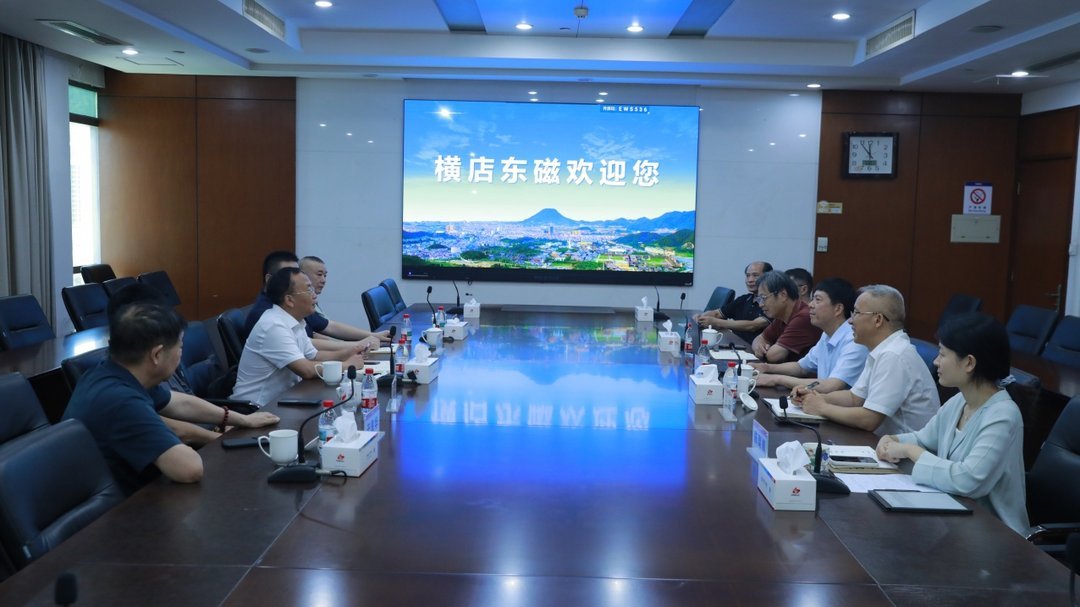
The survey follows CREIA's separate visit to Zhejiang's permanent magnet motor manufacturers earlier this week, where downstream companies similarly identified elevated NdFeB magnet prices as a key obstacle to wider commercialization. Taken together, the two visits provide an unusual window into how China monitors and coordinates its strategic rare earth industrial base.
REEx Insight | China Is Managing the Entire Mine-to-Motor Ecosystem
Viewed together, CREIA's back-to-back Zhejiang surveys reveal something more important than individual company visits. China is collecting operational intelligence across the entire permanent magnet value chain—from magnetic materials manufacturers to downstream motor producers—to better understand market conditions, technology development, and supply-chain bottlenecks.
A notable theme emerged across both surveys. Motor manufacturers argued that high NdFeB magnet prices are slowing adoption of permanent magnet motors, while magnet producers expressed concern over sustained increases in rare earth raw material costs. The challenge is familiar throughout manufacturing: upstream suppliers seek healthy pricing, while downstream OEMs need lower costs to accelerate market adoption.
For Western policymakers, this illustrates an important competitive distinction. China is not simply investing in mines or magnet factories. It is continuously evaluating how each layer of the industrial ecosystem affects the next, using industry associations to gather market intelligence and inform broader policy discussions.
Building a More Integrated Supply Chain
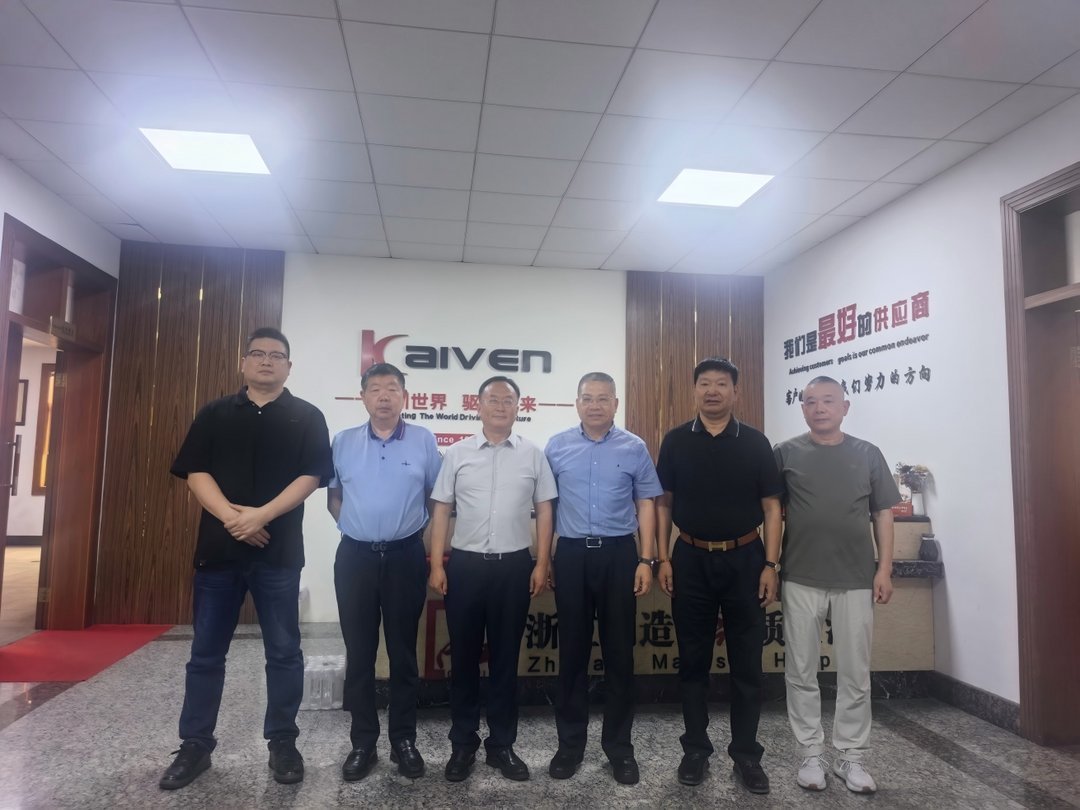
Led by Vice Chairman and Secretary General Lin Anli, the CREIA delegation visited several of Zhejiang's leading magnetic materials companies.
At Hengdian DMEGC (opens in a new tab), executives discussed strengthening collaboration between upstream and downstream manufacturers while expanding into higher-value rare earth applications to improve industrial resilience and competitiveness.
The delegation also visited Hangzhou Zhijian Holdings (opens in a new tab) and its subsidiaries Meici Technology and Quadrant Technology (opens in a new tab), where discussions focused on overseas market expansion, advanced rare earth magnetic materials, and precision machining of complex magnetic components.
At Innuovo (Yingluohua), (opens in a new tab) Chairman Wei Zhonghua (opens in a new tab) reviewed the company's motor business and broader product portfolio while exchanging views on domestic and international market conditions.
Additional visits included Kede Magnetics (opens in a new tab), Zhigan Technology (opens in a new tab), Kaiwen Magnetics (opens in a new tab), Zhongke Magnetics (opens in a new tab), Yili Magnetics (opens in a new tab), and Zhongyuan Magnetics, providing CREIA with a broad assessment of Zhejiang's magnetic materials industry.
Raw Material Costs Remain a Common Concern
Throughout the meetings, companies voiced concern that elevated rare earth raw material prices continue to pressure manufacturing costs and complicate business planning. Participants also discussed market expectations and operating strategies while expressing support for China's rare earth industrial policies and export-control measures governing dual-use materials.
The recurrence of this issue in both the magnetic materials and motor surveys suggests that pricing pressures are being felt across multiple layers of China's permanent magnet ecosystem—not only by downstream OEMs, but also by manufacturers further upstream.
Why It Matters
For Western industry, the significance extends beyond pricing. As Rare Earth Exchanges documented with the CREIA magnetic price meetings, such parallel surveys demonstrate how China continuously monitors strategic industries through organizations such as CREIA, collecting real-time intelligence from manufacturers across the value chain. While Western supply chains often operate as relatively independent commercial entities, China's approach increasingly integrates industry associations, manufacturers, research organizations, and policymakers into a coordinated industrial framework.
As the United States and Europe attempt to rebuild domestic mine-to-magnet capabilities, China appears focused on optimizing an ecosystem it has spent decades developing.
REEx Connect
Organizations
- China Rare Earth Industry Association (CREIA)
- Hengdian DMEGC
- Zhejiang Magnetic Materials Industry Association
- Hangzhou Zhijian Holdings
- Meici Technology
- Quadrant Technology
- Innuovo (Yingluohua)
- Kede Magnetics
- Zhigan Technology
- Kaiwen Magnetics
- Zhongke Magnetics
- Yili Magnetics
- Zhongyuan Magnetics
Key Individuals
- Lin Anli — Vice Chairman and Secretary General, China Rare Earth Industry Association
- Guo Xiaodong — Vice President, Hengdian DMEGC
- Wang Yue — Secretary General, Zhejiang Magnetic Materials Industry Association
- Wei Zhonghua — Chairman, Innuovo (Yingluohua)
Disclaimer: This report is based on information published by the China Rare Earth Industry Association (CREIA), an industry organization operating within China's state-directed rare earth sector. The report reflects CREIA's published account of the survey and has not been independently verified by Rare Earth Exchanges. Readers should evaluate the information alongside independent sources.


0 Comments
No replies yet
Loading new replies...
Moderator
Join the full discussion at the Rare Earth Exchanges Forum →