
Highlights
- Vietnam classified rare earths as 'special strategic' minerals effective January 2026, banning raw exports and mandating domestic processing.
- China controls nearly 90% of global rare-earth separation and over 90% of permanent-magnet production, meaning a Vietnam factory using Chinese inputs diversifies geography, not supply.
- Lynas and South Korea's LS Eco Energy plan a Vietnamese metalmaking operation focused on samarium, signaling early but meaningful downstream investment.
- Vietnam's Yen Phu deposit shows a documented heavy rare-earth profile with 41.2% HREE content and technically demonstrated beneficiation potential, though commercial economics remain unproven.
- The real China Plus One challenge is moving upstream—diversifying critical materials processing, not just final manufacturing assembly.
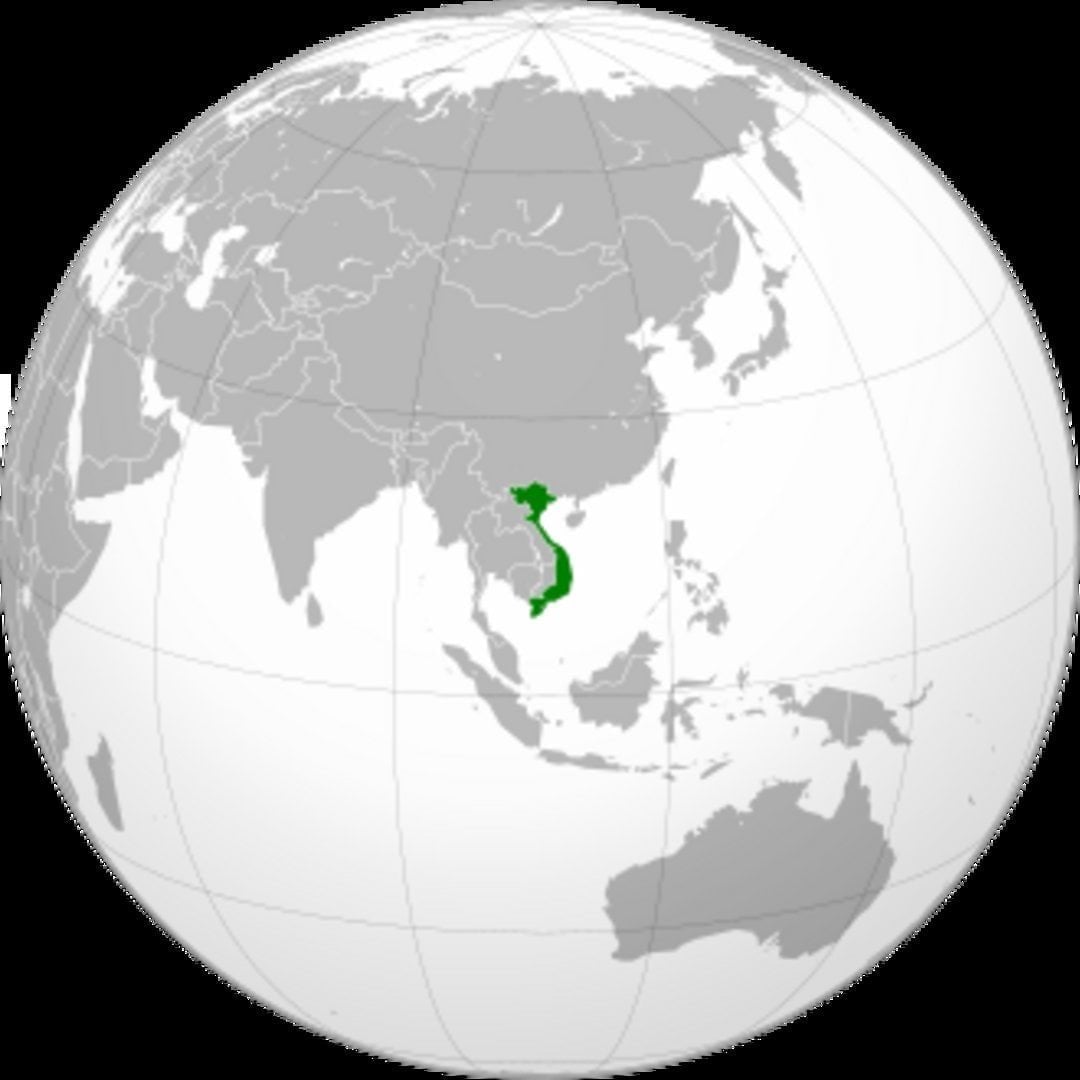
Moving the factory does not necessarily move the supply chain. The Diplomat correctly identifies (opens in a new tab) the next challenge confronting Vietnam's China Plus One boom: Vietnam has 3.5 million tonnes of rare-earth reserves, according to the U.S. Geological Survey (USGS), but remains short of the separation, refining, metals and magnet capabilities required for genuine independence from China. The latest USGS, OECD and corporate evidence broadly validates that thesis—while cautioning against confusing geological potential with industrial readiness.
Did You Know
China Plus One (C+1) is a diversification strategy in which companies retain significant operations or sourcing in China while adding manufacturing, suppliers or investment in alternative markets such as Vietnam, India, Thailand, Malaysia or Indonesia. Originally driven by rising Chinese labor costs and the search for lower-cost production, the strategy has evolved into a broader effort to reduce geopolitical, trade and supply-chain concentration risk, particularly since COVID-19. Crucially, China Plus One does not necessarily mean independence from China: a factory relocated to Vietnam may still depend on Chinese components, machinery, processed minerals or rare-earth magnets. The emerging challenge is therefore moving C+1 upstream—diversifying not just final manufacturing, but the critical materials, processing technologies and components that make manufacturing possible.
REEx Insight | Vietnam Sits on the Fault Line
For Great Powers Era 2.0™, Vietnam is more strategically interesting than its reserve number suggests.
The OECD independently confirms that Hanoi is placing Dong Pao at the center of its rare-earth strategy while courting Korean, Chinese and Western magnet and component manufacturers. It also highlights a Korea-Vietnam Critical Minerals Supply Chain Center intended to coordinate mining, refining and downstream development.
But investors should get the geology right. Dong Pao is primarily light-REE enriched. Vietnam's wider geology includes other potentially interesting occurrences—including xenotime-bearing Yen Phu—but resource determination and commercial economics remain incomplete.
Then comes the murkier issue: provenance. Vietnam's proximity to China makes it a logical jurisdiction to scrutinize for transshipment, relabeling or gray-market material as Chinese controls tighten. That is a traceability risk—not evidence of systematic Vietnamese circumvention.
China Plus One Needs China Minus One
Vietnam's new mineral law reinforces the premise of Tran Thi Mong Tuyen writing for The Diplomat. Effective January 2026, rare earths became "special strategic" minerals, raw exports were prohibited and Hanoi explicitly prioritized deeper domestic processing.
The market is beginning to respond. Lynas and South Korea's LS Eco Energy (opens in a new tab) plan a Vietnamese metalmaking operation using Lynas oxides, initially focused on samarium, with downstream U.S. magnet ambitions. That is meaningful as China still controls nearly 90% of global rare-earth separation/refining and more than 90% of permanent-magnet production.
A magnet factory in Vietnam using Chinese material diversifies geography—not supply.
REEx's test remains: ore → separation → metals/alloys → magnets → qualified customers.
Vietnam could become a strategically important bridge across that chain. But until processing economics, provenance and qualification are demonstrated, potential is not production—and reserves are not resilience.
Heavy Rare Earths in Vietnam
A 2023 peer-reviewed study (opens in a new tab) found that Vietnam's Yen Phu rare-earth mine contains an unusually important heavy rare-earth profile: about 28,000 tonnes TREO grading 1.16%, with heavy rare earth metals representing 41.2% and xenotime as the principal rare-earth-bearing mineral. Researchers demonstrated that conventional beneficiation—grinding, wet magnetic separation and flotation—could raise TREO grade from 1.16% to 29.7% while recovering 80.31% of the rare earths. For REEx, this is significant evidence that Vietnam possesses a documented HREE-rich resource with technically demonstrated beneficiation potential, although it does not establish commercial mining economics, downstream separation capability or economically recoverable reserves.
Beyond Yen Phu, Vietnam's rare-earth potential is concentrated largely in the northwest. Nam Xe and Bac Nam Xe represent additional significant rare-earth occurrences in the same mineralized corridor. Muong Hum in Lao Cai adds another occurrence along the Red River Fault Zone. Vietnam also hosts coastal placer deposits containing monazite and xenotime, potentially recoverable alongside titanium minerals. Together, these deposits suggest a geologically diverse resource base spanning light and some heavy rare earths—but resource definition, metallurgy, economics and commercial readiness vary considerably by deposit.


0 Comments
No replies yet
Loading new replies...
Moderator
Join the full discussion at the Rare Earth Exchanges Forum →