
Highlights
- LS Eco Energy approved a $19.3 million investment to build rare earth metallization capacity in Vietnam.
- The project targets the technically difficult processing step between oxides and finished magnets.
- The move addresses a critical supply chain chokepoint where China dominates.
- Vietnam is positioned as neutral ground with strong Korea-Vietnam industrial ties and manufacturing infrastructure.
- The investment, while strategically notable, remains modest with no disclosed capacity targets.
- No commissioning timelines or binding offtake agreements have been revealed.
- The project is considered a pilot-scale bet rather than an immediate market disruption.
Will a Korean conglomerate step into the metallization gap? Rare Earth Exchanges™ reports that South Korea’s LS Eco Energy has approved a KRW 28.5 billion (~US$19.3 million) investment to enter Vietnam’s rare earth metals segment. Headquartered in South Koreaand majority-owned by LSCable & System (opens in a new tab), LS Eco Energy (opens in a new tab) plans to build rare earth metallization capacity—the technically difficult step between oxides and finished magnets—at its Ho Chi Minh City subsidiary (LSCV).
This is not mining. It’s processing. And that distinction matters.
Table of Contents
Vietnam
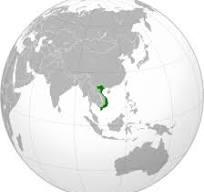
What the Company Actually Plans
LS Eco Energy intends to refine rare earth oxides into rare earth metals in Vietnam, sourcing oxides from “global mining firms” while negotiating supply agreements and potential joint ventures (including a reported oxide purchase agreement with a Vietnamese miner). The stated ambition is to link upstream oxides to downstream permanent magnet manufacturing within the broader LS Group ecosystem cites Vietnam Investment Review (opens in a new tab).
Importantly, the article does not specify magnet production volumes, locations, or binding offtake terms. Any reference to downstream magnets should therefore be read as strategic intent, not confirmed capacity.
CEO Lee Sang-ho describes the move as a shift from planning to execution, expanding beyond cables into “core strategic materials.” Financing includes the sale of treasury shares to LS Cable & System, reinforcing vertical alignment.
New Rare Earth Midstream Player? Ho Chi Minh City

What’s Solid—and What’s Still Soft
Solid:
- Metallization is a genuine chokepoint outside China.
- Vietnam offers industrial infrastructure, labor depth, and policy support, not to mention potential feedstock.
- Korea–Vietnam industrial ties are long-standing and robust.
Soft:
- The investment size is modest for a capital-intensive metallization process.
- No disclosed capacity, yields, or commissioning timeline.
- JV terms, equity splits, and long-term offtake remain undefined.
Claims about “accelerating” a full magnet value chain hinge on execution, not announcements, of course. So a lot of work needs to be done. Such capability would be some years away, depending on a series of unfolding assumptions.
Why This Is Notable for the Rare Earth Supply Chain
Most non-Chinese diversification efforts stall at mining or oxide production. LS Eco Energy is targeting the middle of the chain, where China’s advantage is strongest, and alternatives are scarcest. If successful—even at a small scale—this could incrementally rebalance processing geography.
Vietnam’s role is pragmatic: neutral ground with manufacturing gravity in East Asia. Still, this is a pilot-scale bet, not a China-displacing move.
Company Profile: LS Eco Energy
- Headquarters: South Korea
- Ownership: Majority-owned by LS Cable & System
- Focus: Energy materials, cables, strategic inputs
- Vietnam Footprint: Manufacturing subsidiary in Ho Chi Minh City
Source: Vietnam Investment Review, Dec. 22, 2025.
© 2025 Rare Earth Exchanges™ – Accelerating Transparency, Accuracy, and Insight Across the Rare Earth & Critical Minerals Supply Chain.


0 Comments
Discuss this article