
Highlights
- Chinese Academy of Sciences academician Li Dianzhong led technical exchanges with Guizhou Precious Metals Group.
- Emphasized collaboration in high-purity control, segregation management, and certified reference materials, which are critical bottlenecks for advanced manufacturing.
- The engagement signals China's institutional coordination between top-tier science and state-owned materials producers.
- Aims to accelerate industrialization of precious metal technologies and reduce reliance on foreign certification systems.
- These capabilities support downstream industries where China holds strong positions, including:
- Catalysts
- Semiconductors
- Medical devices
- Aerospace components
- Clean energy systems
- Reinforces China's advanced materials edge.
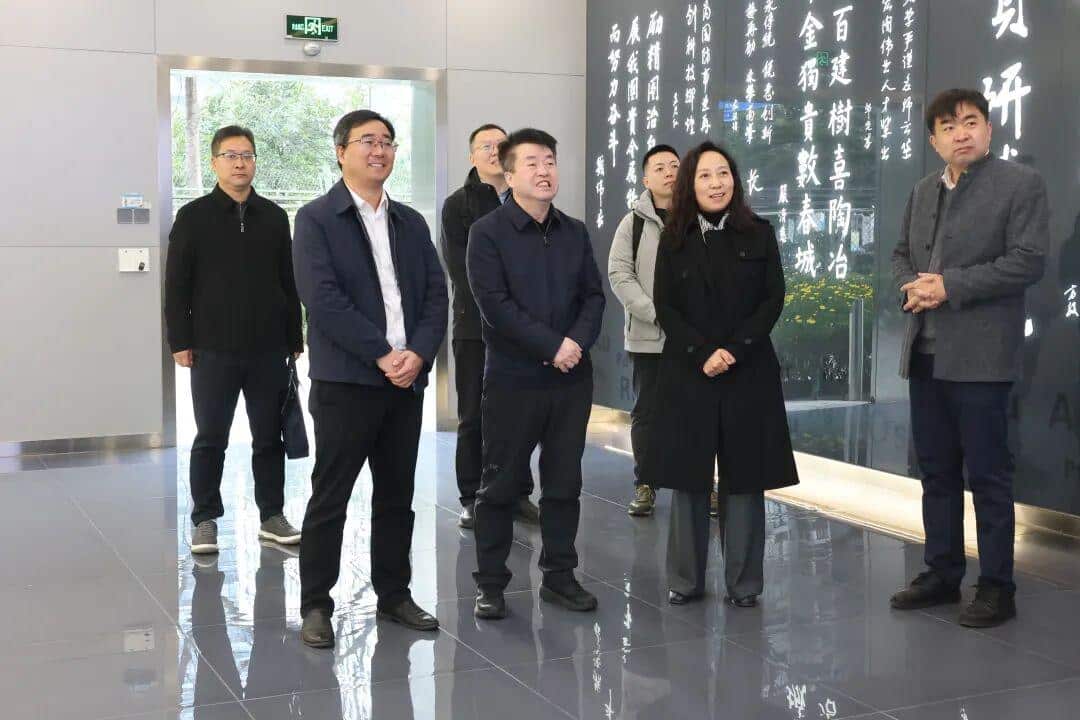
According to a release distributed by the China Rare Earth Industry Association, Li Dianzhong, an academician of the Chinese Academy of Sciences, recently led a delegation to conduct technical exchanges with Guizhou Precious Metals Group (often referred to as Guìyán Group). Senior executives of the group, including Party Secretary Yang Xiaojiang and CEO Guo Junmei, participated in the discussions.
During the visit, Li and his team reviewed the group’s business portfolio, operating scale, talent-development mechanisms, and progress in commercializing research (R&D outcomes). Li emphasized that human capital is the core driver of technological innovation and highlighted the strategic importance of so-called “small metals”—a Chinese policy term for specialty and precious metals—in energy systems, medical technologies, and advanced communications.
Most notably, Li called for deeper collaboration in high-purity control, segregation management, and the development of certified reference materials—technical domains that are foundational for advanced alloys, catalysts, electronics, and defense-related applications. These areas are often bottlenecks for scaling high-performance materials and are tightly linked to quality control, export competitiveness, and IP defensibility.
Why This Is Business-Relevant News
Rare Earth Exchanges™ tracks such moves and events for strategic signal and intent. The engagement illustrates how China is tightening the linkage between top-tier academic science and state-owned materials producers to accelerate the industrialization of advanced precious metal technologies. Reference materials, purity standards, and segregation control are not headline-grabbing topics—but they are critical to dominating high-end manufacturing supply chains.
For Western audiences, this matters because these capabilities underpin downstream industries where China already holds strong positions, including catalysts, semiconductor materials, medical devices, aerospace components, and clean energy systems. The discussion also points to China’s continued effort to reduce reliance on foreign standards and materials certification systems.
Organization Profiles (Brief)
- Chinese Academy of Sciences (CAS): China’s premier national research institution, central to state-directed innovation and industrial policy.
- Guizhou Precious Metals Group: A state-owned enterprise specializing in precious and specialty metal materials, alloys, and applications across energy, electronics, and healthcare sectors.
Bottom Line
This exchange reinforces a familiar butconsequential pattern: China is reinforcing its advanced materials edge not just through scale, but through institutional coordination between science, standards, and state-owned industry—a model that remains difficult for fragmented Western supply chains to match.
Disclaimer: This news item originates from Chinese state-owned and state-affiliated media. Information and interpretations should be independently verified.


0 Comments
No replies yet
Loading new replies...
Moderator
Join the full discussion at the Rare Earth Exchanges Forum →