
Highlights
- Japan is developing a national action plan by April 2026 to secure recycled critical minerals, directed by Chief Cabinet Secretary Minoru Kihara, as part of efforts to reduce reliance on China's dominant supply chain.
- The initiative reflects a global shift toward "urban mining" and circular economy policies, with recovered metals from electronics and batteries becoming strategic assets for resource security.
- Despite technical complexity and supply challenges, recycling is emerging as a complement to primary mining as nations compete for materials essential to EVs, electronics, and defense.
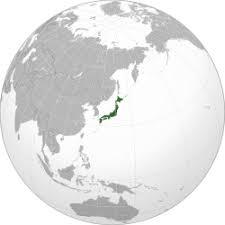
Japan is preparing a national action plan to secure recycled critical minerals, including rare earth elements, as geopolitical competition for strategic materials intensifies. According to reporting (opens in a new tab) by Jiji Press, Chief Cabinet Secretary Minoru Kihara (opens in a new tab) directed relevant ministries at a circular economy meeting in Tokyo to produce the plan by April 2026. The initiative reflects growing concern among industrial economies about supply chain vulnerabilities—particularly China’s dominant role in rare earth mining, refining, and processing. The proposed plan aims to strengthen Japan’s domestic recycling capacity and reduce reliance on imported critical minerals that are essential for advanced manufacturing, including electric vehicles, electronics, and defense technologies.
The policy push underscores a broader global trend toward “urban mining,” where valuable metals are recovered from discarded electronics, magnets, batteries, and industrial waste. As competition for raw materials intensifies and export controls tighten, recycling is increasingly viewed as a strategic component of national resource security. European regulators are also moving in this direction, with mandatory recycled plastic content in automobiles expected by 2026, further signaling the rise of circular-economy policy frameworks.
A Steep Climb
However, scaling rare earth recycling remains difficult. Recovering metals from end-of-life products is technically complex because components contain small quantities of mixed materials that must be separated through costly chemical or metallurgical processes. Supply is also fragmented—many used magnets and electronics are dispersed across consumer waste streams rather than centralized industrial scrap.
Even with advanced recovery technologies, recycled material alone cannot yet meet the rapidly rising demand for critical minerals. As a result, recycling is likely to complement—but not replace—primary mining and refining as nations race to secure strategic resources.
Source: Jiji Press, March 6, 2026


0 Comments
No replies yet
Loading new replies...
Moderator
Join the full discussion at the Rare Earth Exchanges Forum →