
- Inner Mongolia's 2026-2030 plan positions the region as China's premier rare earth materials and applications base, targeting high-performance magnets, catalytic materials, and a national trading center in Baotou.
- The plan sets aggressive energy targets: 325 gigawatts of new energy capacity, 60 gigawatts of storage, and a complete green hydrogen-ammonia-methanol industrial chain with long-distance pipeline infrastructure.
- China is coordinating mining exploration (100+ new targets), vertically integrated refining, advanced manufacturing, and ultra-high-voltage transmission to tighten domestic control over strategic resources and energy-intensive processing.
Inner Mongolia has released its 15th Five-Year Plan (2026–2030), and for Western business readers the signal is unmistakable: China intends to deepen the region’s role as a national energy base, strategic resource base, and advanced manufacturing platform. The plan, issued by the Inner Mongolia regional government and republished by the China Rare Earth Industry Association, outlines a broad push across rare-earth development, hydrogen, energy storage, power transmission, mining, and digital infrastructure.
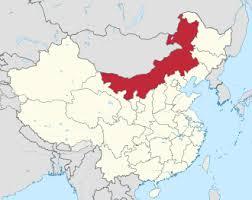
Rare Earths Front and Center
The rare earth language is particularly notable. Inner Mongolia says it will build the country’s largest rare-earth new materials base and a globally leading rare-earth applications base, anchored in Baotou. The plan calls for stronger research and industrialization of rare-earth technologies, processes, products, materials, and equipment. It specifically prioritizes high-performance magnetic materials, polishing materials, hydrogen-storage materials, catalytic materials and additives, rare-earth steel, and permanent-magnet motor industries, while also calling for greater development and utilization of medium and heavy rare earths. It further envisions a rare earth materials innovation center and a rare earth product trading center serving the national market.
Ambitious Energy Infrastructure
Beyond rare earths, the region is setting ambitious energy and infrastructure targets. By the end of the plan period, Inner Mongolia aims to reach 325 gigawatts of new energy installed capacity and 60 gigawatts of new-type energy storage, while sharply increasing both local power consumption and long-distance electricity exports. It also plans to expand a full green hydrogen–green ammonia–green methanol industrial chain, support long-distance hydrogen pipeline projects, and continue building out ultra-high-voltage transmission. In practical terms, Inner Mongolia is positioning itself not just as a source of raw materials or electricity, but as a base for energy-intensive processing, refined materials, and industrial manufacturing.
Mining Exploration & Projects
The mining agenda is equally aggressive. The plan calls for a new exploration push to identify more than 100 exploration targets and more than 20 mineral prospects suitable for further work, while strengthening reserves, local processing, and vertically integrated mining-to-refining industrial groups. Put simply: China wants more ore, more refining, more downstream conversion, and tighter domestic control.
Implications
For the West and the United States, this is more than a regional development document. It is a roadmap for reinforcing China’s advantage in rare-earth separation, magnet materials, strategic minerals, hydrogen-linked industrial chemistry, and power-backed heavy industry. The core takeaway is not just scale. It is coordination. China is aligning its resources, processing, electricity, logistics, R&D, and industrial policy in a single integrated push.
Disclaimer: This summary is based on a policy document issued by the Inner Mongolia regional government and republished through Chinese state-linked industry channels. It should be independently verified before being used for business, investment, or policy decisions.


0 Comments
No replies yet
Loading new replies...
Moderator
Join the full discussion at the Rare Earth Exchanges Forum →