
Highlights
- American Rare Earths commissioned Tetra Tech to study oxide-to-metal conversion for heavy rare earths at Halleck Creek, Wyoming—targeting the critical midstream bottleneck where the U.S. currently has no capacity and China dominates.
- The company focuses strategically on dysprosium, terbium, and samarium for defense applications, but this remains a feasibility study with no confirmed technology, costs, timeline, or commercial-scale commitment yet disclosed.
- Success in rare earths requires moving beyond mining into metal production, alloying, and magnet manufacturing—the real competitive battleground where American Rare Earths signals intent but faces high execution risk.
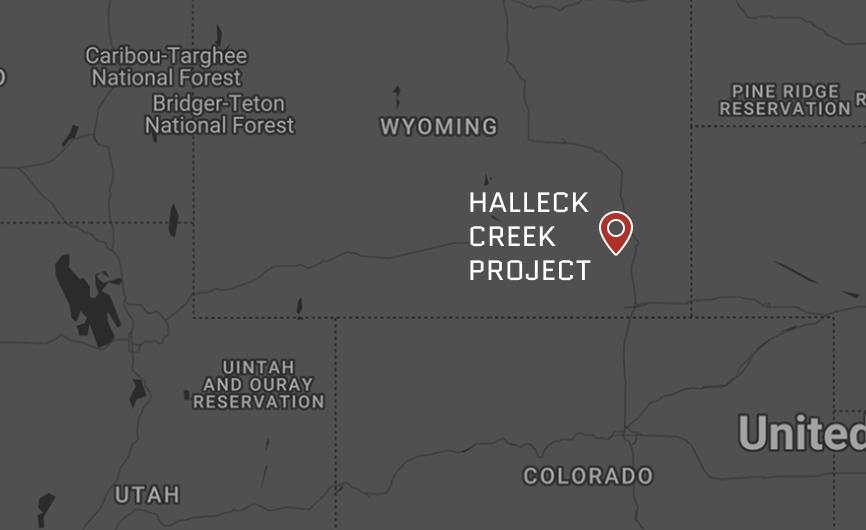
American Rare Earths (opens in a new tab) has commissioned a study using Tetra Tech (opens in a new tab) to convert heavy rare earth oxides into metals at its Halleck Creek project in Wyoming. In plain terms, the company is trying to move beyond mining and refining into metal production—the critical step just before magnet manufacturing. This matters because the United States currently lacks this capability, while China dominates it.
Rare Earth Exchanges™ was able to interview Melissa Sanderson (opens in a new tab), Non-Executive Director for the company. One of the more knowledgeable experts in the field, the company continues to make impressive investments in talent and assets. Ms. Sanderson made a few prescient predictions now materializing.
The Real Game: Winning the Midstream, Not the Mine
The announcement gets one big thing right. The bottleneck in the rare earth supply chain is not mining—it is the midstream, especially oxide-to-metal conversion. Without this step, even large U.S. deposits remain dependent on foreign processing.
American Rare Earths is focusing on heavy rare earths such as dysprosium, terbium, and samarium. These elements are essential for high-performance magnets used in defense systems and advanced technologies. That focus is strategically sound. These are among the most supply-constrained and geopolitically sensitive materials in the market.
Signals vs. Reality: Study, Not Production
Investors should separate signal from substance.
What holds up:
- The company is targeting the correct bottleneck in the supply chain
- The Wyoming location offers a favorable regulatory environment
- The heavy rare earth focus aligns with U.S. defense priorities
What remains uncertain:
- No confirmed processing technology has been selected
- No capital cost estimates or development timeline have been disclosed
- No commitment to build a commercial-scale facility
This is a study, not a plant. Bench-scale work exists, but industrial execution remains unproven.
The Narrative vs. the Physics
The release emphasizes a “mine-to-magnet” vision and alignment with U.S. national security priorities. That framing is directionally correct but incomplete.
What is understated:
- Metal production is technically complex and capital-intensive
- China’s dominance is built on decades of process optimization
- The United States has little commercial-scale heavy rare earth metal capacity.
Melissa Sanderson—knows the market’s challenges

Why This Matters for Investors
This announcement is notable because it acknowledges the true chokepoint in the rare earth supply chain. Most Western projects stop at oxide production. That is insufficient.
The real leverage sits in:
- Metal production
- Alloying
- Magnet manufacturing
American Rare Earths is signaling intent to move downstream. That is strategically important, even if execution risk remains high. The company has impressive expertise, network, and assets, meaning the potential is there.
REEx Bottom Line
The rare earth race will not be won at the mine.
It will be won in the midstream.
American Rare Earths has identified the right problem. The next step is proving it can solve it.


0 Comments
No replies yet
Loading new replies...
Moderator
Join the full discussion at the Rare Earth Exchanges Forum →