
Highlights
- UC Davis awarded $3 million from ARPA-E to develop engineered acid-tolerant microbes capable of extracting rare earth elements directly from acidic wastewater streams like mine drainage and industrial effluents.
- The project uses AI-guided protein design to create selective metal-binding mechanisms that function at low pH, potentially eliminating heavy chemical processing and enabling cost-effective onsite REE recovery.
- Success could establish a new domestic REE supply source from abundant U.S. mining wastewater, strengthening supply chain resilience while converting environmental liabilities into feedstock for EVs, magnets, and electronics.
University of California Davis (UC Davis) just secured (opens in a new tab) $3 million from ARPA-E to engineer acid-tolerant microbes capable of extracting rare earth elements (REEs) directly from acidic wastewater streams—acid mine drainage, tailings liquors, industrial effluents, the very liquids operators normally pay to neutralize and discard.
Table of Contents
For a U.S. rare earth supply chain hungry for cost-effective, domestic sources, this project is more than an academic curiosity. It is a strategic science experiment aimed at converting environmental liabilities into REE feedstock for magnets, lasers, EVs, wind turbines, and advanced electronics.
Yi Wang, PhD
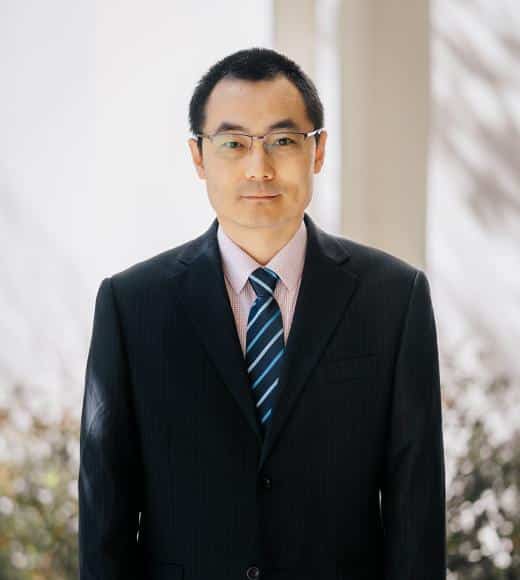
The project, led by Professor Yi Wang (opens in a new tab) in Biological & Agricultural Engineering, attempts to rewire microbial metabolisms so they selectively bind REEs at low pH without the heavy chemical footprint of traditional solvent extraction.
The Microbial Vault: Precision at Low pH
Co-PI Justin Siegel (opens in a new tab) describes the effort as “AI-guided protein design,” tuning metal-binding loops to stay fast and selective even in strong acidity. If this pans out, UC Davis could shorten the REE recovery train—fewer reagents, fewer unit operations, and cheaper onsite concentration directly at the point of wastewater generation.
This is precisely the type of early-stage, high-risk, high-reward science that ARPA-E’s RECOVER program was created for.
Separating Facts from the Glow
What’s solid:
- ARPA-E has indeed launched a $25M wastewater-to-minerals initiative, and the UC Davis award is verified.
- Acidic drainage is abundant in the U.S. mining sector—tens of billions of gallons annually—so the resource base is real.
- Microbial metal binding is a known phenomenon; the novelty is operating at low pH with engineered precision.
Where caution is warranted:
- The article could be read to imply commercial readiness but offers no timeline, pilot partners, or demonstrated recovery rates.
- Claims of “low-cost onsite recovery” remain speculative until techno-economic analysis is published.
- Selective binding at low pH is scientifically impressive but not yet proven at industrial flow volumes.
No misinformation is evident; however, UC Davis naturally highlights upside more than operational barriers such as scalability, REE separation purity, or integration into midstream processing.
Why It Matters for the U.S. REE Supply Chain
If low-pH biological capture works at scale, the United States gains a new, non-Chinese source of REE concentrates requiring minimal processing reagents. It is not a replacement for primary mining—but it could become a meaningful additional trickle that strengthens domestic resilience and mitigates environmental costs simultaneously.
© 2025 Rare Earth Exchanges™ – Accelerating Transparency, Accuracy, and Insight Across the Rare Earth & Critical Minerals Supply Chain.


0 Comments