
- China's State Administration for Market Regulation approved the country's first national-level quality inspection and testing center for rare-earth permanent-magnet motors, located at Shenyang University of Technology in Liaoning Province.
- The center will provide full-chain testing services for industries including electric vehicles, wind power, robotics, and rail transit, with goals to reduce corporate testing costs by 20% and shorten time-to-market by 30%.
- Led by Academician Tang Renyuan's team, the facility strengthens China's vertical integration of the rare earth magnet ecosystem from materials to finished motor systems, reinforcing its dominant global position in this critical technology sector.
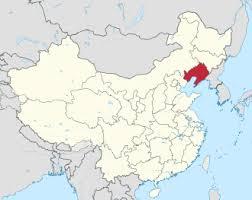
China has approved the country’s first national-level quality inspection and testing center dedicated to rare earth permanent magnet (REPM) motors, a critical technology for electric vehicles, wind turbines, robotics, and rail systems. According to a February 27, 2026 announcement from People’s Daily (Liaoning Channel), China’s State Administration for Market Regulation (SAMR) authorized the establishment of the National Rare Earth Permanent Magnet Motor Quality Inspection and Testing Center, to be built at Shenyang University of Technology (opens in a new tab) in Liaoning Province.
Role of the Center
This fills what Chinese officials describe as a “national-level gap” in standardized testing infrastructure for rare earth permanent magnet motors. The center will provide full-chain testing services—from materials and motor design validation to pilot-scale verification and final product inspection—serving industries including new energy vehicles, wind power equipment, CNC machine tools, robotics, rail transit, and emerging low-altitude equipment sectors (e.g., drones and advanced mobility platforms).
Goals and Objectives
The center is expected to reduce corporate testing costs by more than 20% annually and shorten time-to-market by roughly 30%, according to the report. It will also support lifecycle technical assurance, helping manufacturers validate performance, durability, and compliance earlier in product development.
Key Thought Leader: Tang Renyuan at Shenyang University of Technology
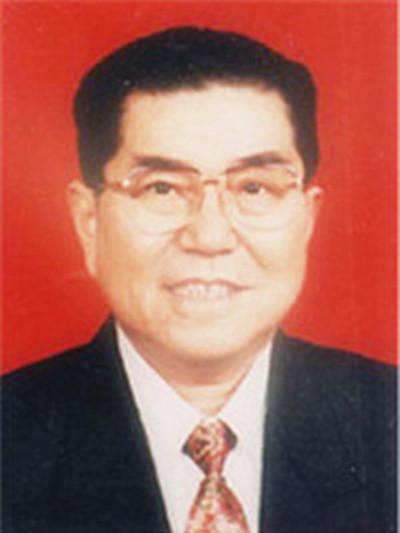
Technically, the center will leverage the academic team led by Academician Tang Renyuan (opens in a new tab) at Shenyang University of Technology and expand capabilities for testing high-speed permanent magnet motors and low-speed direct-drive permanent magnet systems—two strategically important architectures for EV drivetrains and wind turbines. The broader goal is to create a closed-loop innovation system: “R&D → pilot validation → inspection and testing → iterative upgrade.”
For Western observers, the key takeaway is not just another lab opening. It reflects China’s continued vertical integration of the rare earth magnet ecosystem—from upstream materials to finished motor systems—backed by national regulatory infrastructure. Standardized national testing platforms can accelerate commercialization, reduce certification friction, and strengthen export competitiveness. As the U.S. and Europe race to build independent magnet supply chains, China is reinforcing the quality-control backbone of its dominant position.
Liaoning officials describe the center as part of a broader push to build high-level national testing platforms in advanced sectors, including intelligent medical imaging and new energy storage.
Disclaimer: This report is based on coverage from People’s Daily, a state-owned Chinese media outlet. The information should be independently verified through additional sources before making business or policy decisions.


0 Comments
No replies yet
Loading new replies...
Moderator
Join the full discussion at the Rare Earth Exchanges Forum →