
Highlights
- China's MIIT hosted high-level meetings with CEOs from Apple, Qualcomm, SK Hynix, Volkswagen, Mercedes-Benz, Siemens, and Broadcom during the 2026 China Development Forum to deepen foreign corporate engagement in its “new industrialization” strategy.
- Despite geopolitical tensions and U.S. reshoring efforts, major multinationals are signaling continued commitment to China—particularly in semiconductors and advanced manufacturing—showing the global economy is reconfiguring rather than decoupling.
- China's strategy combines offensive moves (attracting foreign capital and technology partnerships) with defensive positioning (building domestic industrial resilience), keeping it central to global supply chains.
China’s Ministry of Industry and Information Technology (opens in a new tab) (MIIT) held high-level meetings in Beijing with top executives from Apple, Qualcomm, SK Hynix, Volkswagen, Mercedes-Benz, Siemens, Broadcom, and others during the 2026 China Development Forum—signaling a coordinated push to deepen foreign corporate engagement in China’s next phase of industrial strategy.
A Diplomatic Offensive—With CEOs at the Table
In a series of meetings led by MIIT Minister Li Lecheng and senior officials, China hosted an unusually broad lineup of global corporate leaders, including Tim Cook (Apple), Cristiano Amon (Qualcomm), and executives from SK Hynix, Volkswagen, Mercedes-Benz, Siemens, and Broadcom.
The message was clear:
China wants multinational companies to be deeply embedded in its industrial future. Is the Middle Kingdom on the industrial move while the U.S. gets distracted by the Iranian conflict?
On March 23, Vice Minister of Industry and Information Technology Xiong Jijun met in Beijing with U.S.-China Business Council President Sean Stein and representatives of its member companies.
“New Industrialization” Takes Center Stage
Chinese officials emphasized a national strategy focused on:
- Advanced manufacturing as the backbone of the economy
- Strengthening the “real economy” (industrial base)
- Launching the next five-year development phase (“15th Five-Year Plan”)
Beijing also reiterated commitments to:
- Expand market access
- Improve the business environment
- Promote legal and regulatory transparency (at least in messaging)
Translation for U.S. audiences:
China is doubling down on industrial self-reliance—but not isolation.
What Multinationals Are Signaling Back
Executives from participating companies responded with a consistent tone:
- Continued commitment to the China market
- Interest in deeper collaboration on innovation
- Support for stabilizing global supply chains
This reflects a pragmatic reality:
Despite geopolitical tensions, China remains central to global manufacturing, semiconductors, and advanced supply chains.
Why This Matters for the West
This is not just diplomatic theater—it’s strategic positioning.
Key implications:
1. Supply Chain Gravity Remains in China
Even as the U.S. pushes reshoring and “friend-shoring,” major corporations are not exiting China—they are doubling down selectively.
2. China Is Playing Both Offense and Defense
- Offense: Attracting foreign capital, technology, and partnerships
- Defense: Building domestic industrial depth and resilience
3. Critical Technologies Are in Play
The presence of semiconductor leaders (Qualcomm, SK Hynix, GlobalFoundries, Broadcom) highlights ongoing competition—and interdependence—in chips and advanced electronics.
Bottom Line: Engagement, Not Decoupling
China’s message is nuanced but unmistakable:
Compete globally, but collaborate locally.
For Western policymakers and investors, the takeaway is sobering:
The global economy is not cleanly decoupling—it is reconfiguring into a more complex, interdependent system where China remains a central node.
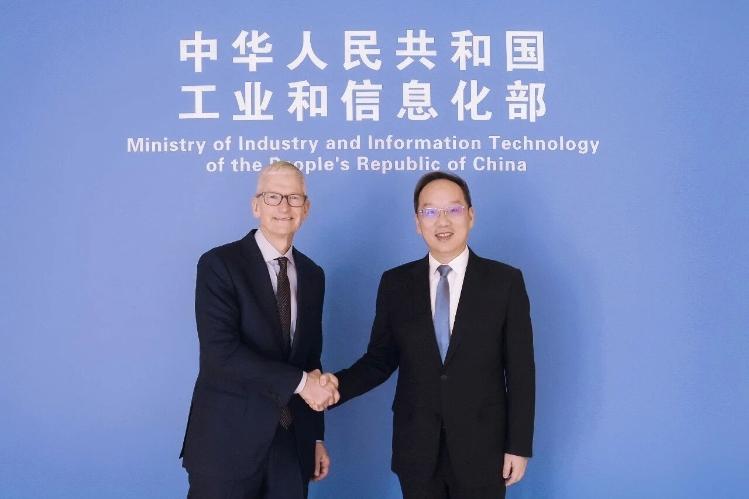
On March 20, Minister of Industry and Information Technology Li Lecheng met with Apple CEO Tim Cook in Beijing.
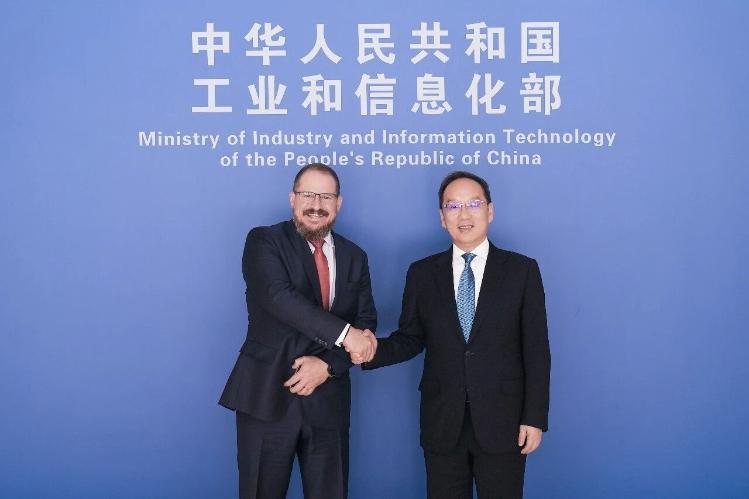
On March 22, Minister of Industry and Information Technology Li Lecheng met with Qualcomm President and CEO Cristiano Amon in Beijing.
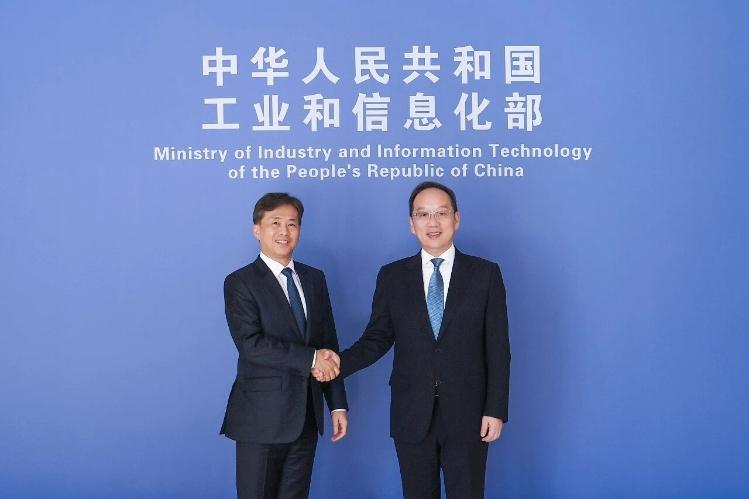
On March 22, Minister of Industry and Information Technology Li Lecheng met with SK Hynix President and CEO Kwak Noh-Jung in Beijing.
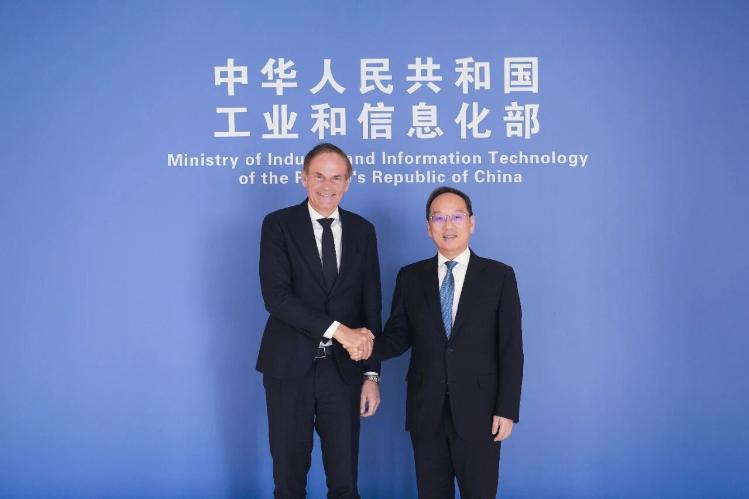
On March 22, Minister of Industry and Information Technology Li Lecheng met with Volkswagen Group CEO Oliver Blume in Beijing.
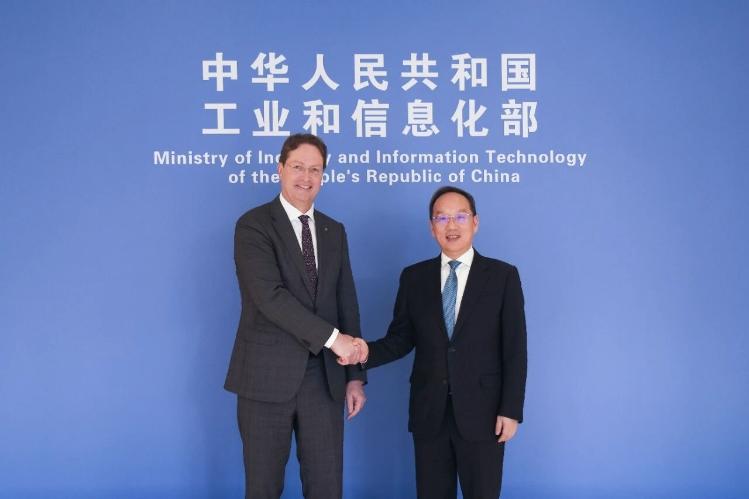
On March 22, Minister of Industry and Information Technology Li Lecheng met with Mercedes-Benz Group Chairman OlaKällenius in Beijing.
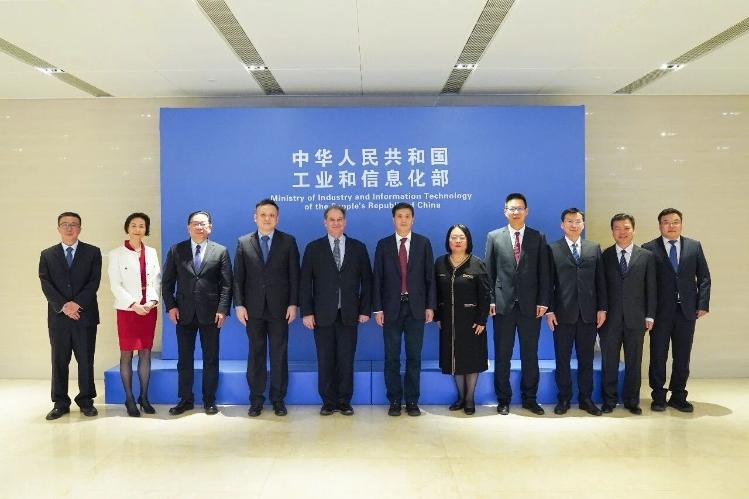
On March 22, Minister of Industry and Information Technology Li Lecheng met with Siemens President and CEO Roland Busch in Beijing.
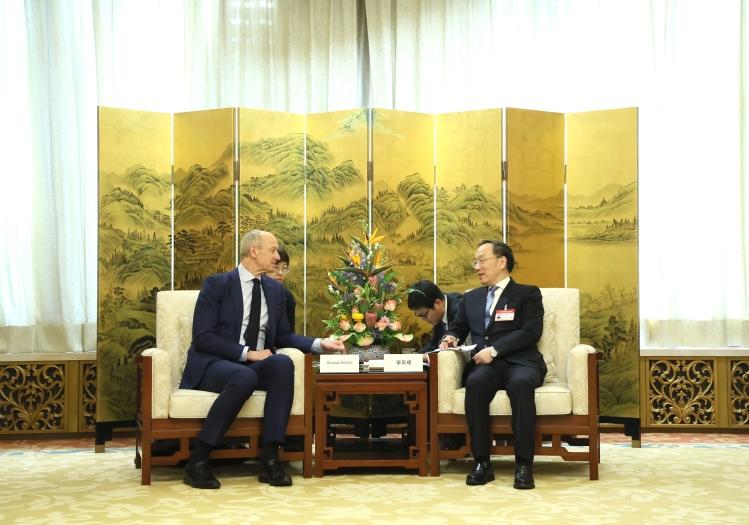
On March 23, Vice Minister of Industry and InformationTechnology Xin Guobin met in Beijing with Fortescue Metals Group Chairman Andrew Forrest.
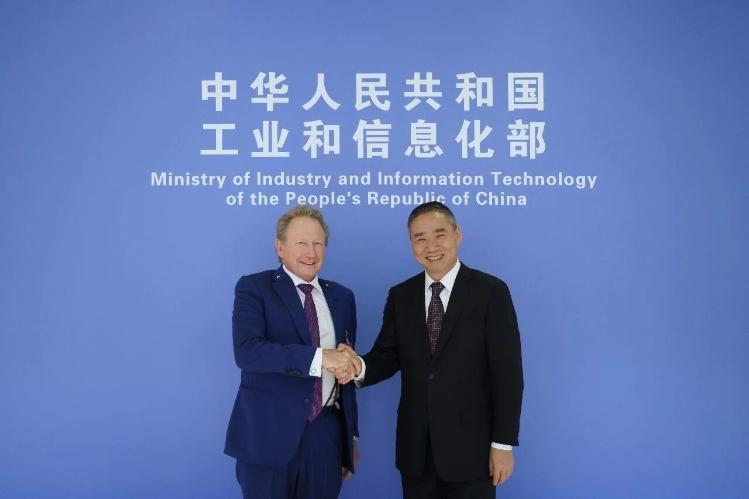
Disclaimer: This report is based on information released through Chinese government-affiliated sources. While consistent with broader policy trends, readers should independently verify key claims and interpret statements within the context of official state messaging.


0 Comments
No replies yet
Loading new replies...
Moderator
Join the full discussion at the Rare Earth Exchanges Forum →