
Highlights
- China Minmetals has broken ground on a nearly US$1 billion expansion of Botswana's Khoemacau Copper Mine, set to produce 130,000 metric tons of copper annually—equivalent to 7% of Botswana's GDP.
- The expansion positions China to control additional copper supply critical for electrification and defense, while the U.S. intensifies efforts to secure African mineral supply chains.
- This strategic investment reinforces China's deepening foothold in Southern African base metals during a period of tightening global copper markets and rising energy-transition demand.
China Minmetals has formally broken ground on a nearly US$1 billion expansion (opens in a new tab) of the Khoemacau Copper Mine in Botswana (opens in a new tab), marking what the company describes as its first major construction start under China’s 15th Five-Year Plan cycle. According to a February 28, 2026, corporate release, the ceremony was held on February 6 in Maun, Botswana, with Chairman Chen Dexin and senior executives participating from Beijing via video link, alongside Botswana’s Minister of Minerals and Energy, Bogolo Joy Kenewendo, the Chinese Ambassador, Fan Yong, and local stakeholders.
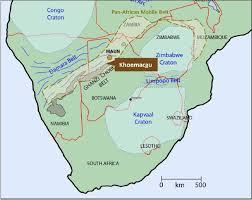
Source: MMG
Background—Substantial Increase in Ore Processing & Output
The commercial stakes are significant. Minmetals says the expansion will increase ore processing capacity to more than 8 million tons annually and deliver approximately 130,000 metric tons of copper metal and over 4 million ounces of associated silver per year once fully operational. The company projects an annual output value of US$1.4 billion, equivalent to roughly 7% of Botswana’s GDP, underscoring the project’s macroeconomic scale within the host country. The buildout includes additional underground mining systems, a new processing plant, and supporting infrastructure, creating a vertically integrated complex combining multiple underground mines, a concentrator, and tailings storage facilities.
POV in West
For Western investors and policymakers, the timing matters. Copper is central to electrification, grid expansion, electric vehicles, renewable energy infrastructure, and advanced defense systems. At a moment when Washington has intensified diplomatic and financial engagement across Africa to secure critical mineral supply chains—including copper, cobalt, lithium, and rare earth elements—China is committing fresh capital to lock in long-life production capacity.
China’s Doubling Down
Botswana has been viewed as one of Africa’s more stable mining jurisdictions, and this move reinforces China’s sustained presence in Southern African base metals. As global copper markets tighten amid rising energy-transition demand, additional controlled output from Chinese-backed assets may influence trade flows, concentrate supply negotiations, and deepen Beijing’s leverage across upstream resources.
Botswana officials emphasized economic diversification, employment, and local enterprise development. Minmetals pledged adherence to international mining standards and expanded localization efforts in hiring and supplier development.
The broader strategic signal: while the U.S. and allies are accelerating financing tools, export credit support, and diplomatic outreach across Africa’s mineral belts, Chinese state-linked firms continue deploying capital at scale.
Disclaimer: This report is based on a corporate release from China Minmetals, a Chinese state-owned enterprise. Investment size, production targets, economic impact estimates, and compliance claims should be independently verified through Botswana regulatory filings, technical reports, and third-party industry sources before informing business or policy decisions.


0 Comments
No replies yet
Loading new replies...
Moderator
Join the full discussion at the Rare Earth Exchanges Forum →