
Highlights
- China Iron & Steel Research Institute and Chinalco signed a strategic cooperation agreement to build a full-chain innovation system linking basic research, applied engineering, and industrial production of advanced materials.
- The partnership targets critical sectors including semiconductors, commercial space, low-altitude economy, and advanced non-ferrous materials, with capital-enabled pathways to accelerate lab-to-market deployment.
- This formalized collaboration deepens China's vertical integration in materials science, potentially widening the commercialization gap with the West in technologies fundamental to chips, aerospace, and advanced manufacturing.
Two of China’s most influential state-backed materials players—China Iron & Steel Research Institute Group (China Iron & Steel Research, often referred to as “China Research”) and Aluminum Corporation of China (Chinalco)—have signed a new strategic cooperation agreement in Beijing. Announced March 18 and reported via the China Rare Earth Industry Association, the deal formalizes expanded collaboration across advanced materials, core technologies, and emerging industrial sectors. For a U.S. business audience: this is not just a partnership—it’s another step in China’s coordinated effort to integrate research, industrial production, and national strategy into a unified materials innovation engine.
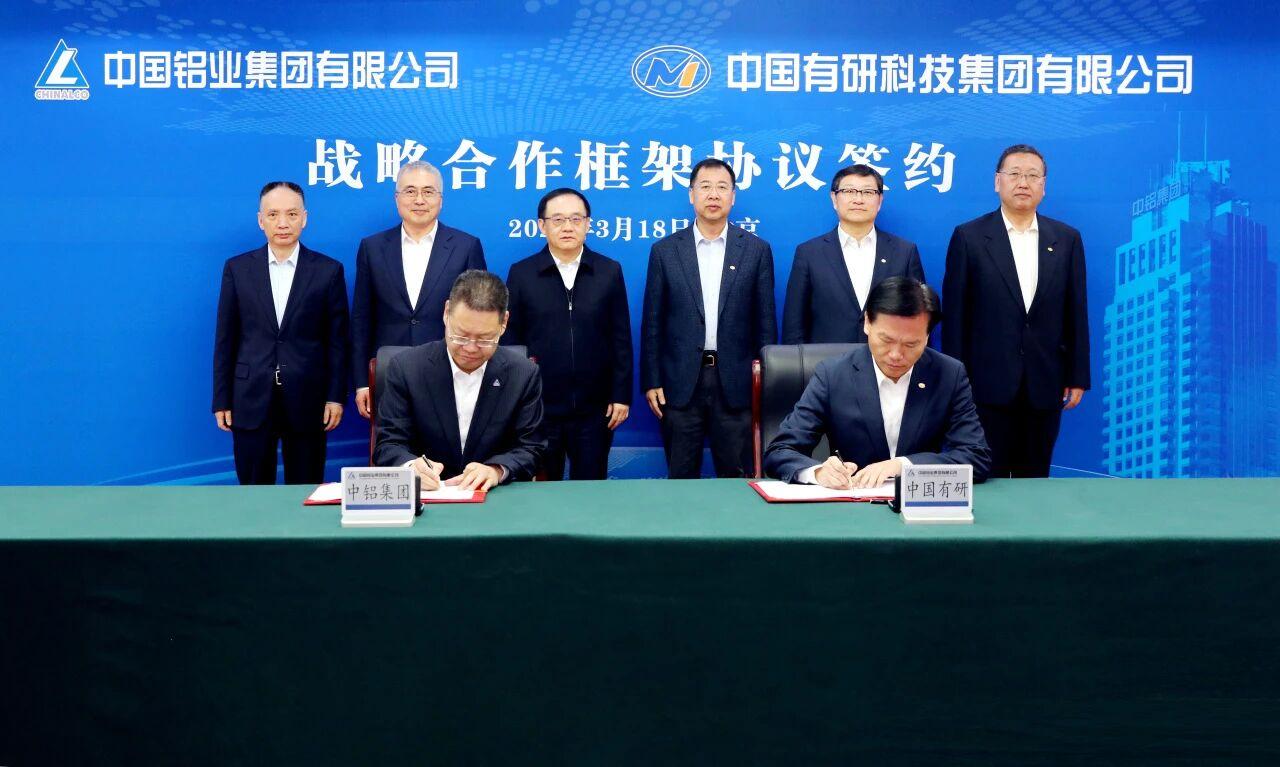
From Research to Industrial Power: A Full-Stack Strategy
The agreement emphasizes building a “full-chain innovation system”—linking:
- Basic research → applied engineering → industrial production
- Joint development of key materials and shared technologies
- Faster commercialization of scientific breakthroughs
Chinalco brings industrial scale and application scenarios, while China Research contributes advanced R&D capabilities. Together, they aim to accelerate deployment of next-generation materials across strategic sectors.
Targeting the Future Economy
The partnership explicitly aligns with China’s national priorities, including:
- Semiconductors (integrated circuits)
- Commercial space technologies
- Low-altitude economy (e.g., drones, urban air mobility)
- Advanced non-ferrous materials (including rare earth-related applications)
Notably, the agreement also references “capital-enabled pathways”, signaling potential investment integration—where state capital helps push technologies from lab to market faster.
Why This Matters Globally
For Western observers, several implications stand out:
- Vertical integration deepens: China is tightening coordination between research institutions and industrial giants
- Faster innovation cycles: Bridging lab-to-market gaps could accelerate China’s lead in critical materials
- Strategic sectors targeted: Chips, aerospace, and advanced manufacturing all depend on specialty materials—including rare earths and alloys
In practical terms, this could widen the gap between China and the West in materials science commercialization—an often overlooked but decisive layer of technological competition.
Breakthrough or Business as Usual?
While framed as a major step, the agreement is evolutionary rather than revolutionary:
- These entities have collaborated for years
- No specific projects, funding levels, or timelines were disclosed
- Success depends on execution—not announcements
However, the formalization into a structured “agreement + task list” model suggests greater accountability and speed, which could be the real differentiator.
Bottom Line: China is refining its industrial playbook: aligning research, scaling production, deploying capital, and targeting strategic sectors—all under coordinated state guidance. This agreement reinforces that model and signals continued momentum in building end-to-end dominance in advanced materials.
Source Disclaimer: This report is based on information from Chinese state-affiliated sources, including the China Rare Earth Industry Association and corporate communications. Details should be independently verified, particularly regarding implementation, investment scale, and measurable outcomes.


0 Comments
No replies yet
Loading new replies...
Moderator
Join the full discussion at the Rare Earth Exchanges Forum →