
Highlights
- Energy Fuels transformed 1.2 tonnes of NdPr oxide into 3 tonnes of magnets capable of powering approximately 1,500 vehicles.
- For the first time, US-sourced monazite sands from Florida and Georgia have been processed into commercial-grade NdFeB magnets at White Mesa Mill.
- The company aims to build heavy rare earth separation capacity in 2026, highlighting a strategic move towards reducing dependence on Chinese rare earth imports.
Energy Fuels Inc. (NYSE American: UUUU; TSX: EFR) announced (opens in a new tab) that its domestically mined and processed neodymium-praseodymium (NdPr) oxide has been successfully manufactured into rare earth permanent magnets (REPMs) for use in electric and hybrid vehicle drive motors. The validation came through South Korea’s largest drive unit motor core maker, which confirmed Energy Fuels’ material passed all QA/QC benchmarks. (Source: Energy Fuels press release; TipRanks auto-desk account).
What Energy Fuels Reported
The company stressed this is the first time U.S.-sourced monazite sands (from Chemours’ Florida and Georgia mines) processed at the White Mesa Mill in Utah (opens in a new tab) have been converted into commercial-grade NdFeB magnets. Roughly 1.2 tonnes of NdPr oxide were transformed into 3 tonnes of magnets—enough to power ~1,500 vehicles. CEO Mark Chalmers framed the milestone as “a significant triumph,” and highlighted plans to build heavy rare earth separation capacity (notably dysprosium) at White Mesa in 2026.
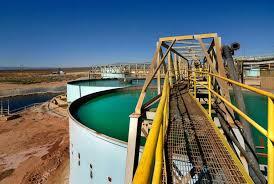
White Mesa Mill, Utah
What TipRanks Reported
TipRanks presented the event as a “significant step (opens in a new tab)” toward a U.S. mine-to-magnet supply chain and positioned Energy Fuels as a “key player” in critical minerals. However, TipRanks’ piece leaned heavily on analyst sentiment: a current Hold rating and $9.00 price target, with AI sentiment (Spark) calling the stock “Neutral.” Unlike Energy Fuels’ release, TipRanks did not emphasize heavy rare earths, Chemours’ role, or immediate deployment in EV supply chains. Instead, it flagged persistent financial losses and valuation risks despite operational momentum.
What are Some Differences?
Energy Fuels framed the announcement as nothing short of a triumph. The company emphasized that its NdPr oxide is on track for near-term integration into electric and hybrid vehicles, underscoring both defense applications and a long-term buildout of rare earth capabilities in the United States. The message was forward-looking and confident, highlighting strategic independence from China as a defining theme.
By contrast, TipRanks delivered a more tempered account. While it acknowledged the breakthrough as important, the coverage focused on financial realities: persistent negative cash flows, a neutral analyst rating, and valuation risks that continue to weigh on the company. Rather than projecting immediate commercial integration, TipRanks balanced enthusiasm with caution.
The material difference lies in tone and focus. Energy Fuels projected optimism, positioning itself as a future leader in a U.S. mine-to-magnet supply chain. TipRanks reminded investors that significant financial headwinds remain and avoided offering near-term certainty around commercial outcomes.
Questions That Remain
- How quickly can Energy Fuels scale from 1.2 tonnes of oxide to the hundreds or thousands needed to dent U.S. import dependence?
- Will auto OEMs sign long-term offtake agreements, or is this still a demonstration exercise?
- Can the company finance its 2026 heavy REE capacity buildout without diluting shareholders or taking on unsustainable debt?
- How will China respond if U.S. mine-to-magnet progress accelerates?
This milestone is significant: it proves the technical pathway from U.S. ore to finished magnets works. But for investors, the financial, geopolitical, and scalability questions loom just as large as the science.
Sources: Energy Fuels Inc. press release (Sept. 9, 2025); TipRanks Canadian Auto-Generated Newsdesk (Sept. 9, 2025).
©!-- /wp:paragraph -->


0 Comments