
Highlights
- Greenpeace Malaysia urges the government to protect ecosystems and indigenous communities from rare earth mining as US-Malaysia cooperation intensifies on critical mineral supply chains.
- Malaysia hosts Lynas' Kuantan facility—the only industrial-scale non-Chinese rare earth separator globally—making it a strategic chokepoint for NdPr, Dy, and Tb markets.
- The ESG controversy lacks documented evidence of displacement but signals a collision point where environmental advocacy, national sovereignty, and geopolitical competition converge.
A Flashpoint where ESG meets national security. A recent Malaysiakini report (opens in a new tab) highlights a growing tension inside Malaysia: Greenpeace Malaysia has issued a warning urging the government to prevent rare earth mining from harming ecosystems or displacing indigenous communities. The statement comes just as Malaysia deepens cooperation with the United States on rare earth supply chains, including commitments tied to energy, defense, and advanced manufacturing. Of course, China has already been in Malaysia (as a consumer) for years, involving mining operations.
Table of Contents
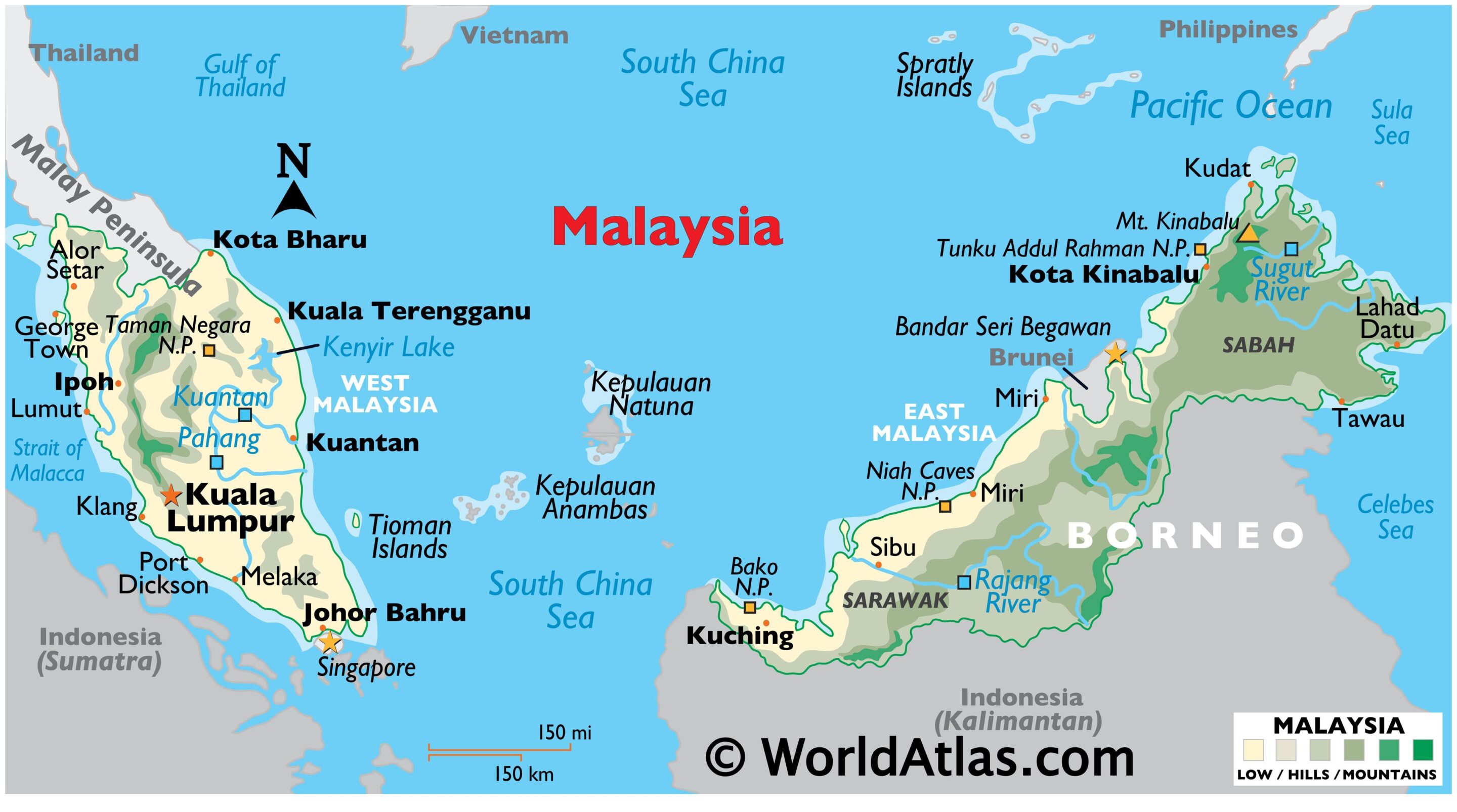
The timing is not accidental. Malaysia is one of the world’s most strategically positioned rare earth jurisdictions—hosting Lynas’ separation plant in Kuantan, the only industrial-scale non-Chinese rare earth separator on Earth. Any environmental controversy, even a small one, reverberates across global NdPr, Dy, andTb markets.
Parsing the Claims: Environmental Concerns vs. Policy Reality
Greenpeace’s comments emphasize broad principles: sustainable extraction, transparent safeguards, and the rights of indigenous groups. These are legitimate challenges in Southeast Asian mining, and Malaysian regulators do require environmental impact assessments (EIAs) and multi-tier approvals for new REE projects.
However, the article implies—without evidence—that U.S.–Malaysia cooperation directly threatens indigenous communities. That is speculative. Most U.S.-linked projects are still in negotiation phases, and any future mining is constrained by Malaysia’s regulatory framework, which has repeatedly shown a willingness to halt operations when standards are not met.
Malaysia’s current REE activities, including ion-adsorption clay studies and potential downstream expansion, remain under heavy scrutiny by federal and state agencies. No displacement orders or forced relocations tied to REE projects have been documented.
The Missing Context: Malaysia as the Last Non-Chinese Processing Stronghold
What the article omits—but investors must understand—is the strategic significance of Malaysian rare earth processing. With China tightening export controls, Japan securing Dy/Tb from Lynas, and the U.S. scrambling to build heavy rare earth capacity, Malaysia’s position is uniquely powerful.
Any ESG-driven slowdown in Malaysia would ripple into:
- U.S. weapons systems requiring Dy/Tb-enhanced magnets
- EV and robotics manufacturers are dependent on NdPr oxide
- Japan’s long-term supply contracts
- Australia’s upstream throughput
This is not simply an environmental story—it is a geopolitical choke point dressed in ESG language.
Bias and Framing: Where Advocacy Meets Narrative
The Malaysiakini piece frames the issue through Greenpeace’s perspective without offering a counterbalance from Malaysian regulators, industry scientists, or indigenous leadership. The lack of multi-stakeholder input introduces perspective bias. It is advocacy-forward, not analytical.
No misinformation is detected, but the article omits critical industrial context, leaving readers with the impression that U.S. involvement inherently increases environmental risk—a conclusion unsupported by evidence.
The Investor Takeaway
Malaysia’s rare earths are not just a local environmental debate—they are a global strategic asset. Any narrative emerging from Kuala Lumpur deserves careful reading. The Greenpeace statement marks the beginning of a political season where ESG, sovereignty, and geopolitics will collide. And most certainly any American interests will need to be more than mindful about the necessity of land stewardship.
© 2025 Rare Earth Exchanges™ – Accelerating Transparency, Accuracy, and Insight Across the Rare Earth & Critical Minerals Supply Chain.


0 Comments