
Highlights
- Geological surveys at Kuirektykol deposit revised reserves from 20 million to 28.2 million tons of commercially viable rare earth elements.
- Kazakhstan aims to leverage mineral discovery to attract foreign partners and modernize its critical minerals sector.
- Despite promising reserves, significant infrastructure and processing challenges remain before becoming a global rare earth metals supplier.
Fresh geological surveys at Kuirektykol, Kazakhstan’s flagship rare earth deposit, have revised reserves upward from 20 million tons to 28.2 million tons of commercially viable REEs. Confirmed concentrations of cerium and other lanthanides at depths of up to 300 meters lend weight to the update. These figures align with Kazakhstan’s broader exploration push, which in 2024 alone identified 38 new solid mineral deposits.
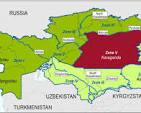
Kuirektykol is a major rare earth metals deposit discovered in the Karaganda Region of Kazakhstan, with preliminary assessments estimating one million tons of rare earth metals, and its expanded Zhana Kazakhstan area may contain over 20 million tons. The find is significant because rare earth metals are critical for green energy and modern electronics, and the discovery could position Kazakhstan as a global leader in the sector.
When Optimism Meets Overstatement
The numbers themselves appear credible—Kazakhstan has historically underexplored vast tracts of its mineral base. Yet readers should note the subtle framing: official voices quickly extend the narrative from Kuirektykol’s upgrade to sweeping claims about national self-sufficiency in critical minerals. That leap stretches beyond the evidence. As every investor knows, resource estimates on paper are not production at scale. Infrastructure, processing, and investment hurdles remain steep.
The Political Shine
Deputy Akim Alibek Aldeney touts the discovery as a chance to expand processing and attract foreign partners. Prime Minister Olzhas Bektenov echoes the theme, pushing modernization, tech adoption, and research. The rhetoric mirrors Kazakhstan’s longstanding desire to position itself as a stable, diversified supplier amid global supply chain turbulence. What’s missing? A hard reckoning with export regulation debates now surfacing in parliament—signals that Astana may tighten its grip on outbound flows to protect domestic value-add.
Context That Counts
For the rare earth supply chain, the real story is potential leverage. If Kazakhstan develops these reserves into reliable production—backed by processing facilities—it could become a meaningful swing player between China and the West. Yet today, rare earths account for just 2.4% of its metallurgical sector, with most government support ($124 million since 2018) still modest by global standards. Until downstream capabilities materialize, Kazakhstan’s value proposition is more about future promise than current supply relief.
Bottom Line
The Kuirektykol upgrade is noteworthy but not transformational—yet. Investors should separate the solid news (reserve revisions) from the speculative gloss (immediate global impact). Kazakhstan’s challenge remains the same: to turn geological wealth into industrial muscle before shifting geopolitical winds redefine the game.
Citation: Pokidaev, D. (2025, September 4). Kazakhstan’s Rare Earth Reserves Surpass Projections Following New Geological Surveys.
©!-- /wp:paragraph -->


0 Comments