
Highlights
- Kerala's 2026-27 Budget allocates ₹100 crore (~US$11.5M) for a Rare Earth and Critical Minerals Corridor centered on Kollam.
- The funding is considered seed capital at best—commercial rare earth separation and magnet manufacturing facilities require hundreds of millions to billions of dollars.
- No processing plants, commercial partners, offtake agreements, or detailed timelines have been disclosed, placing the initiative firmly at the concept stage.
- India's IREL (India) Limited and global partners from Australia, Japan, Europe, or the US have yet to be named as industrial participants.
- REEx characterizes the announcement as a strategic signal rather than an investable rare earth project until key industrial players and capital commitments emerge.
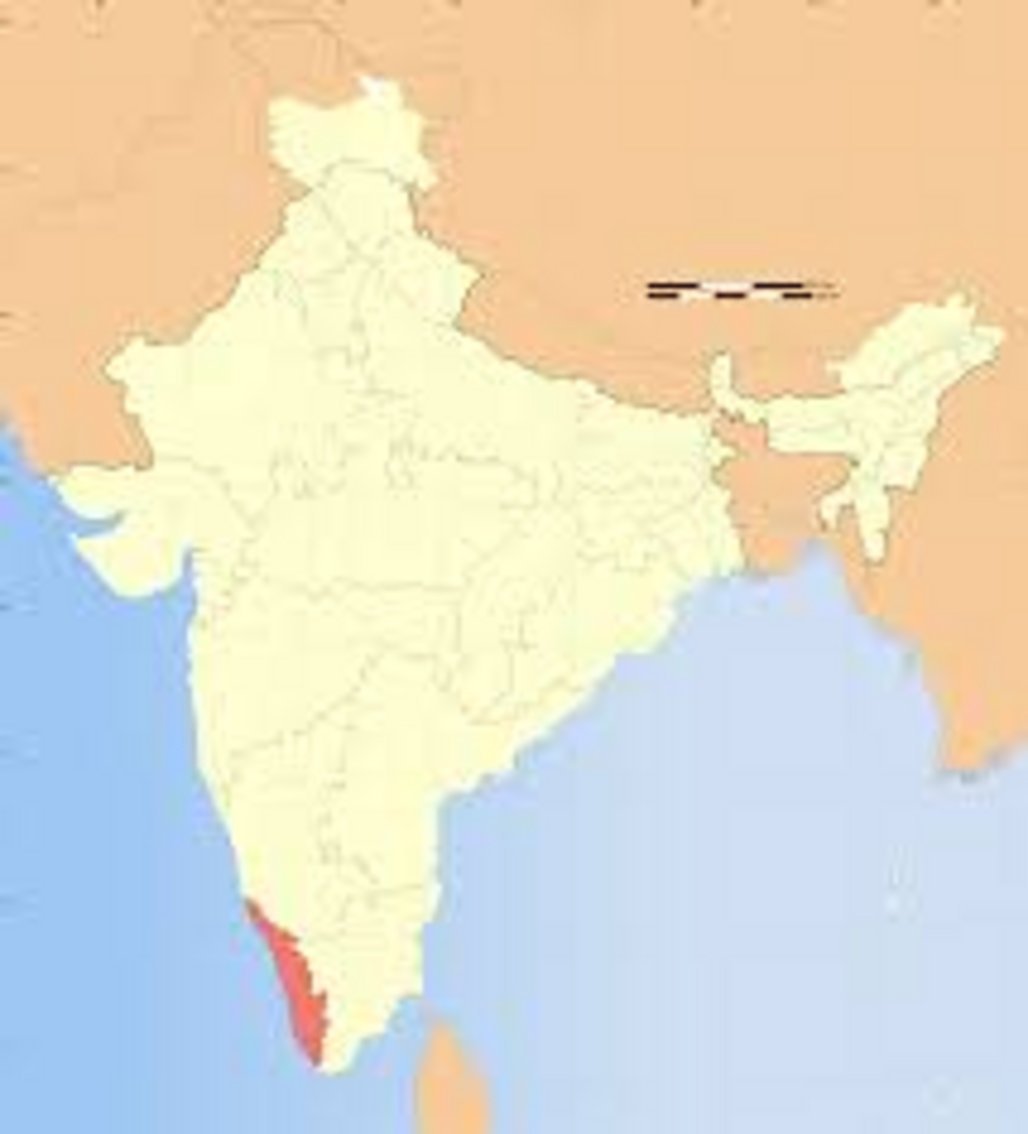
India's Kerala state government (opens in a new tab) has announced a new Rare Earth and Critical Minerals Corridor as part of its 2026-27 Budget, positioning Kollam as a future hub for mineral processing and rare earth development. The initiative forms part of a broader Southern Kerala Economic Corridor linking Thiruvananthapuram, Kollam, and Alappuzha. While the announcement signals India's growing interest in critical minerals and supply-chain security, investors should note that the allocated budget—₹100 crore (approximately US$11.5 million)—is modest relative to the billions of dollars typically required to build commercial rare earth separation, metallization, magnet manufacturing, and downstream industrial capacity. The announcement is strategically noteworthy but operationally embryonic.
A Strategic Signal Hidden in a Budget Line
Sometimes the most important stories are measured not by what is built, but by what governments reveal they want to build.
Kerala's latest budget unveiled plans for a Rare Earth and Critical Minerals Corridor centered on Kollam, a district already associated with India's historic mineral sands industry. The initiative is designed to integrate logistics, manufacturing, technology, research, and maritime infrastructure into a broader economic development strategy. For investors, the announcement reflects a larger trend: India is increasingly positioning critical minerals as strategic assets rather than ordinary commodities.
The Money Tells the Real Story
The state allocated ₹100 crore to the corridor initiative. That sounds impressive until one considers the economics of the rare earth industry. A modern rare earth separation plant can require hundreds of millions of dollars. Metallization facilities, alloy production, magnet manufacturing, environmental systems, and supporting infrastructure can push total capital requirements into the billions. In that context, ₹100 crore is best viewed as seed capital, planning capital, or ecosystem-development funding—not industrial buildout capital.
The Missing Pieces Matter
Investors should notice what was not announced.
There are currently no disclosed processing plants, no identified resource development projects, no commercial partners, no offtake agreements, no timelines, and no detailed strategy explaining how Kerala intends to compete with China's rare earth ecosystem. That does not make the initiative insignificant. It simply places it at the concept stage.
Beyond the Headline
China dominates global rare earth separation, metal production, alloy production, and magnet manufacturing. Every nation seeking supply-chain independence eventually confronts the same reality: processing is the real bottleneck.
Kerala's proposal suggests India understands that challenge. Whether this becomes a genuine processing ecosystem—or another well-intentioned policy announcement—will depend on what follows next: capital, projects, technology, feedstock, and industrial execution.
For now, investors should view this as an important strategic signal, not an investable industrial development.
Key Players and Places
Across the Kerala Rare Earth Corridor articles and related context, the following are the key players, stakeholders, and entities investors should track:
Government & Political Actors
- V. D. Satheesan (opens in a new tab) — Announced the Southern Kerala Economic Corridor and Rare Earth & Critical Minerals Corridor.
- Government of Kerala — Sponsor of the corridor initiative.
- Ministry of Mines — Driving India's national critical minerals strategy, auctions, and policy framework.
- Government of India — Broader strategic sponsor of critical mineral security efforts.
Strategic Locations
- Kollam — Identified as the future nerve center for mineral processing and rare earth activities.
- Thiruvananthapuram — Planned knowledge and technology hub within the corridor.
- Alappuzha — Designated as India's future Blue Economy capital.
- Vizhinjam International Seaport — Critical logistics infrastructure potentially supporting future mineral exports and imports.
Existing Indian Rare Earth Ecosystem Players
Although not mentioned directly in the budget article, these are the companies and institutions investors should immediately connect to the story:
- IREL (India) Limited — India's dominant state-owned rare earth and mineral sands company. Historically active in Kerala and nearby coastal mineral sands regions.
- Department of Atomic Energy — Oversees IREL and portions of India's monazite-bearing mineral sands sector.
- National Mineral Development Corporation — Increasingly active in critical mineral initiatives.
- Coal India Limited — Pursuing critical mineral acquisitions and exploration.
Global Competitive Benchmark
The unspoken player in the story is:
- China
China remains the dominant force in:
- Rare earth separation
- Rare earth metals
- Rare earth alloys
- NdFeB magnet manufacturing
- Heavy rare earth processing
Key Question for Investors
The Kerala budget identifies Kollam as a future rare earth processing center, but the articles identify no operator, no processor, no separation technology provider, no mining company, and no magnet manufacturer. That omission is arguably the most important fact.
The next names investors should watch for are:
- Which company will operate processing facilities?
- Whether IREL (India) Limited is involved.
- Whether foreign partners from Australia, Japan, Europe, or the United States emerge.
- Whether India intends to build merely a mineral processing cluster—or a full mine-to-magnet ecosystem.
At present, the government is the primary player; the industrial players have yet to appear. That is why REEx characterizes the announcement as a strategic signal rather than an investable rare earth project.
Sources: Kerala Budget 2026-27 announcement reported by The Indian Express (Anish Mondal). Government of India critical mineral initiatives and Ministry of Mines strategic mineral programs.


0 Comments
No replies yet
Loading new replies...
Moderator
Join the full discussion at the Rare Earth Exchanges Forum →