
Highlights
- A new master's thesis examines how European green-transition policies are pushing rare earth extraction in interior regions, using Norra Kärr in Sweden as a case study.
- The research highlights the complex interactions between strategic mineral needs, environmental concerns, and community interests in developing critical mineral resources.
- Europe's Critical Raw Materials Act (CRMA) aims to diversify mineral supply chains, but requires balancing speed of development with environmental and social standards.
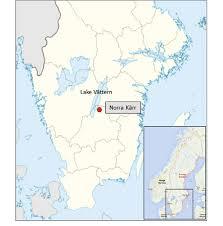
A new master’s thesis by Andreas Myloulis (opens in a new tab) (KTH, Strategies for Sustainable Development, AL250x) analyzes how Europe’s green-transition policies and geopolitical risk are pushing rare earth extraction “inward” — using the Norra Kärr deposit in southern Sweden as a case study. The work situates the project within historic supply shocks (e.g., 2010 REE crisis), EU policy (EGD, CRMA), Swedish permitting shifts, and local resistance around Lake Vättern.
The Location: Norra Kärr deposit
What the Research Says (in Plain Terms)
- Methods: Literature review, field visit, and semi-structured interviews with local groups (e.g., Urbergsgruppen), farmer representatives (LRF), and authorities; analytical frameworks include chain of explanation and frame analysis.
- Core Finding: Europe’s bid to secure critical minerals is creating “interior resource frontiers” where national security, climate goals, and community/environmental safeguards collide.
- Norra Kärr Specifics: The project’s redesign (crush/separate on site; ship concentrate to a distant processing hub) reduces local footprint but raises logistics, water-management, dust/air, and Lake Vättern discharge concerns.
- Policy Pressure: Sweden’s 2024 sequencing change (moving Natura 2000 review later in permitting) eases early approvals but heightens trust gaps with communities who want risks addressed up front.
Why It Matters for the Supply Chain
- Strategic Context: The CRMA targets EU extraction, processing, and diversification. Norra Kärr illustrates the real frictions that will determine whether European magnet supply chains can meaningfully de-risk from China without creating new domestic “sacrifice zones.”
- Investor Signal: Consolidation toward fewer, fully compliant projects with a strong social license is likely. Projects that front-load environmental diligence, water protection, and credible community benefits will have a clearer path to offtake and capital.
Practical Implications
- Permitting & Design: Require earlier, more detailed EIA scoping and alternatives analysis (especially water), paired with transparent monitoring and incident plans.
- Community & Agriculture: Formalize engagement and compensation frameworks recognizing farmland displacement and psychological burden from long timelines.
- Policy Alignment: Couple CRMA timelines with minimum consultation standards to avoid “permit now, solve later” dynamics that fuel opposition and delay.
Limitations (Read Before You Extrapolate)
- This is a degree project, not peer-reviewed journal research.
- Scope and time constraints (language translation, limited geology depth, finite interviews).
- The Norra Kärr permitting process is ongoing; facts and stakeholder positions may evolve.
Bottom Line
Myloulis’ thesis is a timely diagnosis: Europe can build resilient rare earth supply chains only if speed and standards rise together. At Norra Kärr and beyond, early risk reduction (especially for Lake Vättern), credible benefits to locals, and transparent permitting are not “nice-to-haves” — they’re the price of admission for strategic projects under the CRMA era.
Citation: Myloulis, A. (2025). The Making of Interior Resource Frontiers for Green Resource Extraction: The Case of Rare Earth Element Extraction at Norra Kärr, South Sweden (opens in a new tab). KTH Royal Institute of Technology. TRITA–ABE–MBT–25341.
©!-- /wp:paragraph -->


0 Comments