
Highlights
- China's MOFCOM approved general export licenses for some rare earth exporters, but details on approved companies, products, volumes, and destinations remain undisclosed—representing regulatory consolidation, not liberalization.
- A two-tier export system is emerging where large, state-aligned producers gain predictability through licenses while smaller processors and foreign buyers face continued uncertainty and conditional access.
- Licenses function as a policy control mechanism rather than supply relief, maintaining China's structural leverage across the rare earth supply chain with revocable and asymmetric access for international manufacturers.
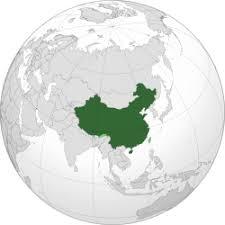
China’s Ministry of Commerce (opens in a new tab) (MOFCOM) has approved (opens in a new tab) general export licenses for some Chinese rare earth exporters. The move follows weeks of official policy briefings designed to help domestic companies adapt to China’s newly imposed export controls on rare earth–related items. At first glance, the headline suggests easing. On closer inspection, it reflects something else entirely: regulatory consolidation, not liberalization.
Table of Contents
What Actually Changed—and What Didn’t
MOFCOM, as reported in Asian Metal, indicated that exporters demonstrating sufficient experience with export operations and regulatory compliance were permitted to apply for general licenses, and that some applications have now been approved. This replaces case-by-case approvals with a more standardized pathway for a limited subset of firms.
What remains undisclosed is just as important. The Chinese media piece did not identify:
- Which exporters were approved
- Which rare earth products are covered
- Applicable volumes, destinations, or licence duration
In effect, access has shifted from administrative delay to selective eligibility.
A Two-Speed Export Regime Takes Shape
From a supply-chain perspective, does this reporting suggest a two-tier export system? Put another way, large, compliant, and state-aligned producers gain predictability while smaller processors and foreign buyers without preferred relationships remain exposed to uncertainty.
According to some experts in China, on condition of anonymity, this fits China’s broader rare earth strategy: reduce fragmentation, favor national champions, and retain the ability to adjust exports quietly without announcing quotas. Licenses become a policy valve, not a release mechanism.
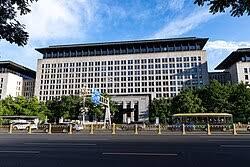
MOFCOM wields vast control over the rare earth supply chain
What the Market Should—and Shouldn’t—Infer
Contrary to some media claims, Rare Earth Exchanges™ suggests there is no evidence here of a broad reopening of rare earth exports. Any interpretation that China is “loosening controls” would overreach based on our assessment, at least for now. What’s occurring is selective normalization under continued supervision.
For U.S. and allied manufacturers, the takeaway is unchanged. Even when exports flow, access remains conditional, revocable, and asymmetric. Supply risk persists—not episodically, but structurally.
What the Reporting Gets Right—and What It Leaves Out
Asian Metal accurately reports MOFCOM’s statement and avoids speculation. What it does not address is how this licensing framework reinforces China’s leverage across separation, magnet metals, and downstream manufacturing.
That omission is subtle, but telling. Licenses are not relief. They are governance.
© 2025 Rare Earth Exchanges™ – Accelerating Transparency, Accuracy, and Insight Across the Rare Earth & Critical Minerals Supply Chain.


0 Comments