
Highlights
- Magnet Days 2026 in Aalen, Germany (March 3–5) brings together German universities and magnet manufacturers to focus on NdFeB optimization, heavy rare earth reduction, and recycling integration—not mining expansion.
- Europe's magnet strategy emphasizes technical resilience through circular production and AI-driven materials science, with Germany leading R&D efforts via institutions like TU Darmstadt and Fraunhofer IWKS.
- The event reveals Europe's approach: out-engineer supply vulnerability through recycling and efficiency rather than compete with China on primary rare earth mining.
In early March 2026, the Deutsche Gesellschaft für Materialkunde (DGM) will host Magnet Days 2026 (Magnettage 2026 (opens in a new tab)) in Aalen, Germany — a focused, technically rigorous event dedicated to permanent magnet science, manufacturing, and recycling. Organized alongside Aalen University of Applied Sciences, Pforzheim University, and Technical University of Darmstadt, the event runs March 3–5 and combines a German-language training course (March 3–4) with an English-language scientific magnet conference (March 5).
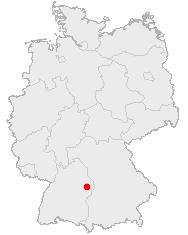
While not a mega trade show, Rare Earth Exchanges™ suggests Magnet Days offers a revealing look into how Germany — and, by extension, Europe — is thinking about permanent magnet resilience.
A Technical Forum, Not a Trade Show
Unlike the global magnet expos, which are heavy on exhibitors and mining majors, Magnet Days leans academic-industrial. There is no large commercial exhibition floor prominently advertised. Instead, the emphasis is on:
- Magnetic fundamentals and materials science
- NdFeB optimization
- Recycling integration
- Reduced heavy rare earth (HRE) dependency
- Machine learning in magnet development
This signals something important: Europe is focusing on technical depth and incremental supply chain strengthening, rather than headline-grabbing announcements.
Who’s Speaking — And Why It Matters
The speaker list is heavily German-centric:
- Prof. Oliver Gutfleisch (TU Darmstadt) — Permanent magnet research
- Dr. Matthias Katter (VACUUMSCHMELZE GmbH & Co. KG) — Industrial magnet manufacturing
- Dr. David Schuller (ZF Friedrichshafen AG) — End-use automotive applications
- Dr. Bernd Grieb (ppm materials GmbH) — Rare earth resource situation
- Fraunhofer IWKS researchers — Recycling and mitigation strategies
The value chain spans:
- Materials research
- Magnet manufacturing
- Automotive systems integration
- Resource analysis
- Recycling technology
Notably absent from the visible plenary program: major U.S. magnet manufacturers, Asian magnet giants, or primary rare earth mining companies. The event appears regionally anchored, with Germany at its core.
What the Agenda Reveals Strategically
1. NdFeB Isn’t Going Anywhere
Rather than searching for radical alternatives, the program focuses on improving NdFeB magnets — especially reducing heavy rare earth content (dysprosium, terbium) and improving recycling streams.
2. Recycling Is Central — Not Peripheral
Multiple sessions address circular magnet production. Europe’s strategy appears to center on integrating recycled feedstock into magnet manufacturing to reduce exposure to geopolitical supplyshocks.
3. Digital Materials Science Is Arriving
Machine learning in magnet development appears explicitly in the agenda. AI-driven materials optimization is moving from concept to application.
4. Germany as Europe’s Magnet Brain Trust
The institutional dominance of German universities and firms underscores Germany’s continued leadership in European magnet R&D.
Where This Fits in the Rare Earth Magnet Value Chain
Magnet Days 2026 sits squarely in the midstream of the magnet ecosystem:
- Downstream: Automotive and industrial users (ZF)
- Midstream: Magnet manufacturers (VACUUMSCHMELZE)
- Upstream-adjacent: Resource analysts and recycling experts
What is missing is a large-scale upstream mining presence — reinforcing that Europe’s magnet strategy is not built on domestic rare earth mining dominance, but on engineering efficiency and circularity.
Why This Matters for Investors and Policymakers
Magnet Days 2026 shows Europe doubling down on:
- Supply resilience through recycling
- Reduced HRE exposure
- Incremental optimization of existing magnet chemistry
- Academic-industrial coordination
This is not a geopolitical rally. It is a technical consolidation effort.
For Rare Earth Exchanges readers, the takeaway is clear:
Europe is not trying to outmine China. It is trying to out-engineer vulnerability.
That distinction matters.


0 Comments
No replies yet
Loading new replies...
Moderator
Join the full discussion at the Rare Earth Exchanges Forum →