
Highlights
- Malaysia's Southern Alliance Mine (SAM) hosted China Rare Earth Group representatives alongside government officials, reinforcing operational ties to Chinese midstream infrastructure despite recent US-Malaysia cooperation agreements.
- SAM's customer base is 100% China-facing, and no meaningful rare earth processing technology has transferred to Malaysia despite years of Lynas operations, leaving miners dependent on Chinese infrastructure.
- The new US-Malaysia rare earth MOU lacks binding commitments or funding, functioning more as diplomatic symbolism than strategic realignment.
- Malaysia continues hedging between Washington and Beijing.
Southern Alliance Mine (SAM), Malaysia’s only active rare earth mine with commercial-scale output, remains firmly within China’s gravitational pull—even as Washington signals interest in reshaping Malaysia’s rare earth future. SAM’s Chief Operating Officer, Wei Hung Lim, posted on LinkedIn that he hosted senior representatives from China Rare Earth Group (CREG) during a courtesy visit with Malaysia’s Ministry of Natural Resources and Sustainability, joined by MITI, JMG, MIDA, PETRONAS, and Khazanah.
Lim described the session as “constructive and grounded,” emphasizing alignment and ongoing sector developments.
For Rare Earth Exchanges, the subtext is unmistakable: SAM’s customer base is 100% China-facing, and with CRE Group’s strategic presence, Beijing is reinforcing its position just as the U.S. and Malaysia discuss new cooperation under their recent rare earth MOU. Despite years of Lynas refining in Malaysia, no meaningful midstream technology transfer—separation, metallization, or magnet know-how—has flowed into the Malaysian ecosystem. That leaves Malaysian miners dependent on China’s midstream and downstream infrastructure, regardless of political announcements from Washington.
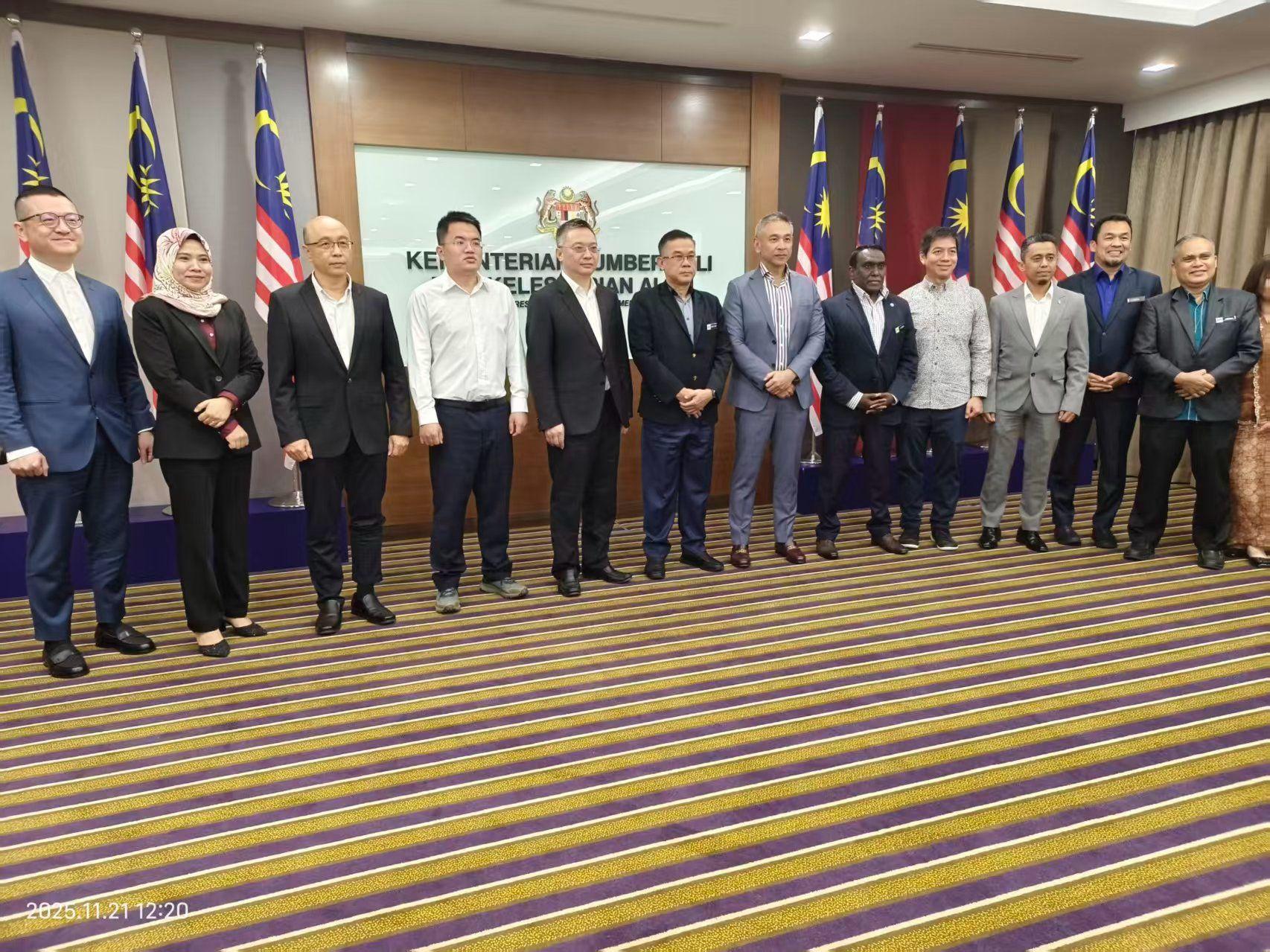
Lim has engaged with Rare Earth Exchanges previously and understands the geopolitical stakes. His latest meeting suggests Malaysia continues to hedge: listening to American overtures while keeping operational ties—and revenue flows—aligned with the Chinese midstream that still dominates 85–90% of global refined rare earth supply.
According to Wei Hung Lim on LinkedIn:
"A constructive and grounded exchange, with each party sharing perspectives on the sector’s ongoing developments. Engagements like these help maintain clarity, alignment and understanding as the landscape continues to evolve.”
What about the USA MOUs?
The new U.S. critical-minerals MOUs with Malaysia and Thailand will no doubt be marketed as “historic,” but their substance is thin—closer to diplomatic choreography than strategic breakthrough. Both agreements, as posted recently by rare earth element expert David Abraham (opens in a new tab), recycle the same vague language about “supporting value-chain development,” “sharing expertise,” and “encouraging investment,” without commitments, numbers, or obligations that would actually shift alignment or restrict Chinese influence.
And while the MOUs call for transparent markets free of “non-market practices,” they quietly carve out exceptions for price floors and other tools Washington increasingly relies on—an irony not lost on Malaysian policymakers.
Crucially, nothing in these documents compels Kuala Lumpur to share technology from China-linked projects announced during President Xi’s visit earlier this year; nor do they prevent Malaysia from tightening its embrace of Chinese partners like China Rare Earth Group, as evidenced by SAM’s own engagements this week.
The reality is that Southeast Asian governments—deeply intertwined with China’s capital, trade networks, and industrial footprint—are unlikely to offer more than polite intentions.
If the Administration wants symbolism, it would mean something only if Beijing signed an MOU with identical language. Short of that, these agreements look like hedging tools for Malaysia and Thailand, not strategic wins for the United States.
Summary
The takeaway: Malaysia’s rare earth sector remains more structurally embedded in the Chinese system than U.S. policymakers may appreciate. Unless the U.S.–Malaysia MOU evolves into real projects—processing, alloys, or magnets—SAM and the broader Malaysian rare earth economy will continue orbiting Beijing.
©!-- /wp:paragraph -->


0 Comments