
Highlights
- University of Toronto doctoral research demonstrates that chelation-assisted electrodialysis can selectively separate heavy and light rare earths from ion-adsorption clays with lower environmental impact than conventional solvent extraction.
- The study confirms South American ion-adsorption clay deposits could supplement critical rare earth supply, particularly high-value heavy rare earths needed for EVs and wind turbines.
- Despite technical promise, the research underscores that laboratory innovations alone cannot break China's processing monopoly without substantial industrial investment, infrastructure, and policy support.
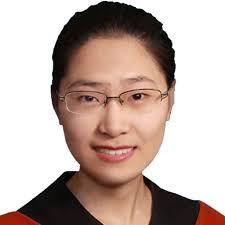
A 2025 doctoral study (opens in a new tab) by Lingyang Ding, conducted in the Department of Chemical Engineering and Applied Chemistry at the University of Toronto under the supervision of Professor Gisele Azimi (opens in a new tab), examines whether rare earth elements (REEs) can be extracted and separated from ion-adsorption clays using a more environmentally sustainable method than today’s dominant industrial practices.
Drawing on laboratory experiments and process modeling, the research shows that chelation-assisted electrodialysis can selectively separate light and heavy rare earths from South American ion-adsorption clays—potentially offering a cleaner alternative to solvent extraction. However, the work also underscores a sobering reality: even promising new technologies face steep hurdles when set against China’s entrenched dominance in rare earth processing and separation.
Table of Contents
Lingyang Ding, Author
Study Design and Methods
The dissertation investigates ion-adsorption clays, a class of rare-earth deposits best known from southern China but also found in parts of South America. Unlike hard-rock rare earth ores, these clays hold rare earth ions loosely on mineral surfaces, allowing extraction under milder chemical conditions. Ding first characterized the clay mineralogy and rare earth distribution, then developed a hydrometallurgical desorption process to release the elements into solution.
The core innovation lies in the separation step, instead of conventional solvent extraction—which relies on large volumes of organic chemicals and generates significant waste—the study tests electrodialysis assisted by chelating agents (EDTA). By applying an electric field across selective membranes, the process encourages different rare earth ions to migrate at different rates, enabling separation of heavy rare earths (such as dysprosium) from light rare earths (such as neodymium and praseodymium). Laboratory experiments were paired with process simulations to evaluate energy use, purity, and scalability.
Key Findings
The research demonstrates that chelation-assisted electrodialysis can achieve meaningful separation between heavy and light rare earths, with dysprosium selectively concentrated under optimized conditions. Compared with traditional solvent extraction, the method shows potential advantages in chemical intensity, environmental footprint, and process controllability. The work also advances scientific understanding of how rare earths bind to clay minerals and how they can be released efficiently.
Crucially, the study confirms that ion-adsorption clays outside China could represent a viable supplemental source of high-value rare earths, particularly heavy rare earths that are critical for permanent magnets used in electric vehicles, wind turbines, and defense systems.
Implications: Technology vs. Industrial Reality
While technically promising, the findings also highlight a strategic constraint. China controls the overwhelming majority of global rare earth separation capacity, built over decades of industrial learning, capital investment, and regulatory tolerance. Even if cleaner separation technologies emerge in Western laboratories, translating them into commercial-scale processing plants requires infrastructure, skilled labor, permitting, and—most importantly—time.
This study illustrates a broader lesson for policymakers and investors: innovation alone does not dismantle monopolies. Without parallel investment in scale-up, supply chain integration, and industrial policy, new extraction and separation technologies risk remaining confined to pilot plants while China continues to dominate downstream processing.
Limitations and Open Questions
The research is pre-commercial and laboratory-scale. Performance metrics such as energy consumption, membrane durability, throughput, and cost competitiveness at an industrial scale remain uncertain. The process also relies on chelating agents (such as EDTA), raising questions about reagent recovery, lifecycle impacts, and regulatory acceptance.
Moreover, ion-adsorption clays vary significantly by geography. Results from a South American sample may not translate directly to other deposits without additional site-specific testing. The study does not claim to replace solvent extraction universally, but rather to offer a potential alternative under certain conditions.
Conclusion
Ding’s work provides an important proof-of-concept for cleaner rare earth separation and reinforces the strategic value of non-Chinese ion-adsorption clay resources. At the same time, it serves as a reality check: breaking China’s rare earth processing monopoly will require not just better chemistry, but coordinated industrial execution. For ex-China supply chains to succeed, technological innovation must be matched by policy clarity, capital commitment, and long-term planning.
Source: Ding, L. Extraction of Rare Earth Elements from Ion-adsorption Clays and Their Separation Using Chelation-Assisted Electrodialysis. PhD Dissertation, University of Toronto, 2025.
© 2025 Rare Earth Exchanges™ – Accelerating Transparency, Accuracy, and Insight Across the Rare Earth & Critical Minerals Supply Chain.


0 Comments