
Highlights
- Niron Magnetics is developing a revolutionary rare-earth-free magnet technology using Iron Nitride.
- The project targets an annual production of 1,500 tons by 2027.
- Supported by major companies such as Stellantis and Samsung.
- The initiative aims to reduce dependency on Chinese magnet production.
- The facility represents a potential breakthrough in U.S. industrial resilience and supply chain independence in critical technology manufacturing.
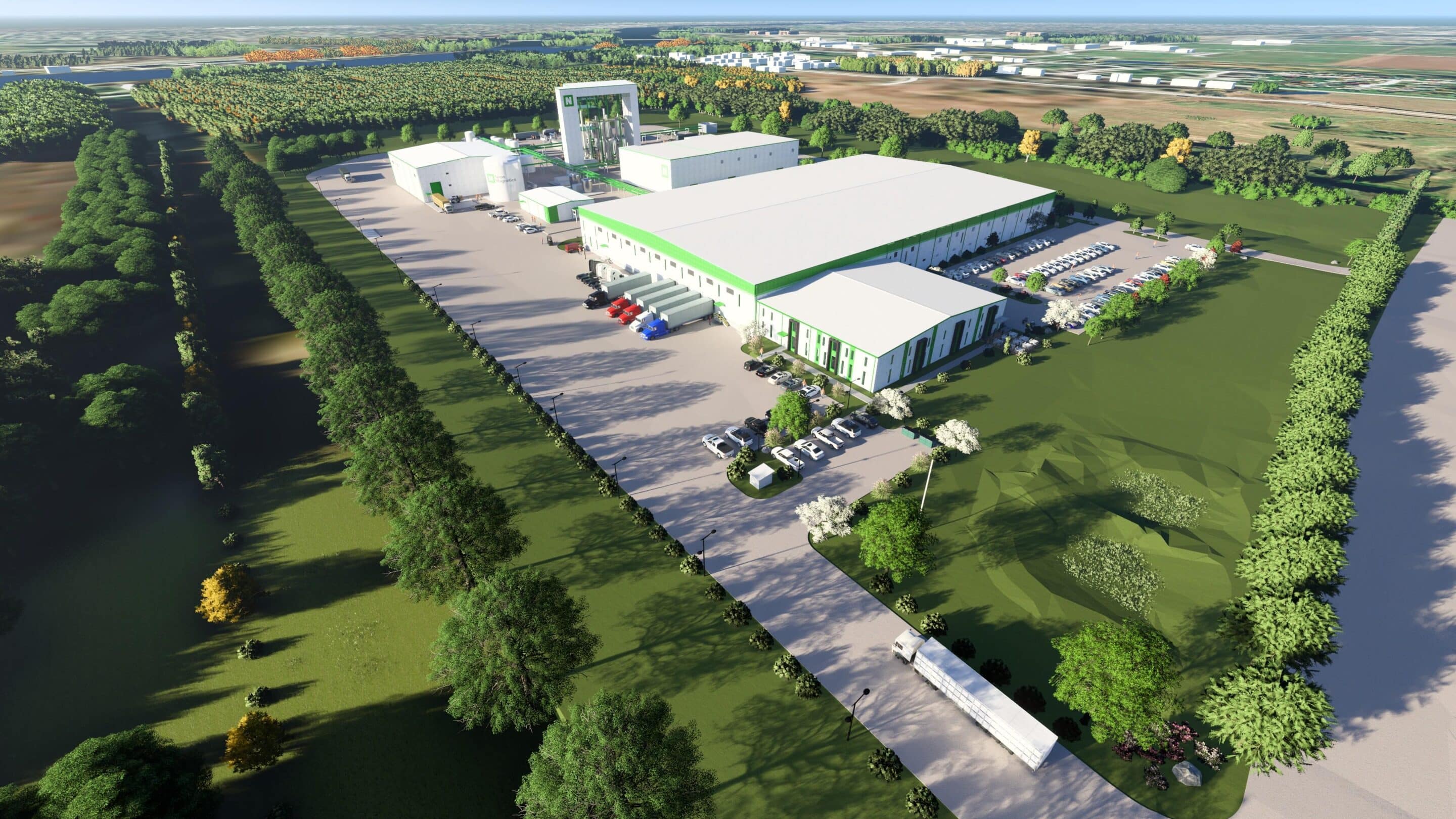
Niron Magnetics, a private U.S. company spun out of the University of Minnesota, has broken ground on a 190,000-square-foot facility in Sartell, MN, that aims to produce 1,500 tons per year of rare-earth-free permanent magnets by early 2027. Backed by Stellantis, Samsung, Magna, Allison Transmission, and others, Niron is commercializing Iron Nitride (Fe₄N) technology, a material with exceptionally high magnetization that eliminates the need for scarce rare earth elements.
Why This Matters
Permanent magnets are essential to EV drivetrains, data center cooling, robotics, defense equipment, and consumer electronics. Today, more than 90% of the supply is tied to Chinese NdFeB magnet producers. Niron’s scale-up represents the first real challenge to that dominance in decades. By redeveloping the former Verso Paper Mill site, the company is also injecting 175 new jobs into a designated coal community property — aligning with U.S. industrial and energy transition policy.
Key Points
- Capacity: 1,500 tpa nameplate, operational 2027.
- Technology: Proprietary Iron Nitride magnets, rare-earth-free.
- Customers: Stellantis and others already sampling from Niron’s Minneapolis pilot plant (operational 2024).
- Financing & Buildout: EPCM by Wood; Ryan Companies as general contractor.
Investor Lens
As a private company, Niron’s stock is not listed, meaning retail investors cannot yet buy shares directly. However, investors should note:
- Strategic optionality: Stellantis and Samsung backing increases the probability of an eventual IPO or SPAC listing.
- Competitive moat: If Fe₄N proves scalable at high coercivity and thermal stability, Niron could carve into the ~$20B global magnet market.
- Risks: Technical scale-up remains unproven beyond pilot; operating timeline (2027) leaves several years of execution risk. Rare-earth-free claims may also downplay potential reliance on alloying or coatings.
Critical Questions
- Can Iron Nitride magnets truly meet or exceed NdFeB magnets across all performance specs?
- How will Niron address durability, oxidation, and long-term performance in EV applications?
- What policy or defense procurement levers will ensure offtake if technical challenges emerge?
REEx View
Niron’s Sartell facility is a bold bet on supply chain independence. If successful, it would mark one of the first viable commercial alternatives to rare-earth magnets in 40 years — a potential inflection point for U.S. industrial resilience. For now, execution risk remains high, but the strategic implications are undeniable.
Yet even with this downstream breakthrough, a midstream bottleneck persists. Rare earth elements still must be separated, refined, and alloyed before entering most magnet supply chains, and China controls more than 85% of this segment. Without urgent U.S. and allied investment in midstream infrastructure, the U.S. risks trading one vulnerability for another. True resilience requires not just magnet breakthroughs, but also billions in separation, refining, and alloying capacity to ensure a fully secure supply chain.
©!-- /wp:paragraph -->


0 Comments