
- A new scramble for Africa is unfolding through a battery offtake agreements and supply chain contracts rather than military force, targeting lithium, cobalt, rare earths, and platinum group metals that power EVs and renewable energy infrastructure.
- Africa dominates upstream production—DRC leads cobalt, Zimbabwe exports lithium, South Africa controls platinum—but lacks midstream refining capacity, with most processing still concentrated in China and creating raw export dependency.
- Regional coordination through SADC, ECOWAS, and AfCFTA aims to strengthen negotiating leverage and shift toward industrialization, but success requires capital discipline, infrastructure investment, and technical processing capacity beyond policy frameworks alone.
No gunboats. No flags. No formal declarations of empire. Instead: battery offtake agreements, sovereign wealth fund term sheets, and late-night memoranda of understanding signed in capital cities from Kinshasa to Accra. The new scramble for Africa is unfolding not with soldiers, but with supply chain lawyers. The argument comes from a February 22, 2026, column published by AllAfrica.com (opens in a new tab), written by media executive Daniel T. Makokera. He contends that Africa faces a “silent scramble” for lithium, cobalt, rare earth elements, manganese, and platinum group metals—the minerals powering electric vehicles, grid storage, wind turbines, and digital infrastructure.
Strip away the rhetoric, and much of the framing holds.
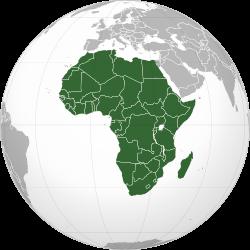
The Democratic Republic of the Congo produces the majority of global mined cobalt. Zimbabwe has rapidly expanded lithium exports. South Africa remains the world’s dominant platinum group metals supplier. Guinea leads global bauxite exports. These are supply chain facts, not metaphors. As Rare Earth Exchanges™ has chronicled, the continent’s rare earth elements remain key to future supply chain growth. Companies like Pensana are implementing important models that heavily involve African capital and leadership (Angola).
Makokera argues that regional blocs—including the Southern African Development Community (opens in a new tab) (SADC), Economic Community of West African States (opens in a new tab) (ECOWAS), and East African Community (opens in a new tab) (EAC)—must coordinate beneficiation policies and pricing frameworks to avoid undercutting one another in pursuit of foreign capital.
That concern is economically grounded. Fragmented royalty regimes and unaligned fiscal incentives can weaken negotiating leverage with multinational buyers.
Where the column stands firmly on fact is its warning about “raw export dependency.” Africa remains heavily upstream. Much cobalt is refined in China. Lithium conversion capacity inside Africa is emerging but limited. Rare earth processing on the continent is still early stage. In the case of heavy rare earths, specifically, China’s ionic clay operations—and Myanmar-linked feedstock—continue to anchor global supply. Africa is not yet a dominant producer of heavy rare earths.
The column references the African Union’s African Mining Vision (opens in a new tab) and the African Continental Free Trade Area (opens in a new tab) (AfCFTA). Both frameworks genuinely aim to shift the continent from extraction toward industrialization. That is accurate.
So where the All Africa (opens in a new tab) argument leans aspirational is in the assumption that policy coordination alone can unlock leverage. Industrialization requires capital discipline, grid stability, logistics corridors, water systems, and technical separation capacity. A trusted business environment remains paramount. Pricing principles do not build solvent extraction plants. Throughput does.
The simplification lies in compressing execution risk into a governance narrative.
For rare-earth and critical-mineral investors, the real signal is institutional maturity. If regional coordination evolves into midstream refining capacity, Africa’s role in the global supply chain could materially shift. If not, the continent remains upstream while China, Europe, and the United States compete downstream.
That scramble is contractual.


0 Comments
No replies yet
Loading new replies...
Moderator
Join the full discussion at the Rare Earth Exchanges Forum →