
Highlights
- Brazil is shifting from mineral cooperation to conditional engagement, demanding domestic processing infrastructure before allowing foreign partnerships with its rare earth and critical mineral reserves.
- The real chokepoint isn't Brazil's reserves—it's separation, refining, and magnet manufacturing capacity, where China controls 90% of global rare earth refining.
- Brazil's message to investors: watch refining ambitions, not reserves, as control of the mine-to-magnet pipeline outside China defines geopolitical power in Great Powers Era 2.0.
The tone is unmistakable. Brazil is drawing a line. President Luiz Inácio Lula da Silva has warned that foreign powers will not “take” Brazil’s rare earths and critical minerals—a statement that, for investors, signals a shift from cooperation to conditional engagement. An REEx read: Brazil has a lot of valuable minerals, but now wants control over how they are developed and processed, not just mined and exported.
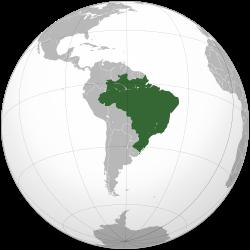
Geology Is Not the Prize—Control Is
Let’s separate signal from noise upon reviewing today’s MercoPress (opens in a new tab) piece. Brazil does indeed hold significant rare earth reserves—often cited as the world’s second largest—and dominates global niobium supply. But here’s the reality: reserves are not supply chains. Brazil has just one operating rare earth mine (Serra Verde) and minimal refining capacity.
In rare earths, the chokepoint is not mining. It is separation, refining, and magnet manufacturing.
Lula’s insistence on building domestic processing before partnering with the U.S. is not political theater—it is strategically sound.
Diplomatic Theater or Strategic Misstep?
The U.S. move to sign a minerals agreement directly with the state of Goiás—bypassing federal leadership—appears tactically clumsy. From Brasília’s perspective, this looks less like a partnership and more like circumvention. Meanwhile, Brazil's diversifying toward India underscores a broader trend: countries are hedging, not aligning.
President Lula—give us the refining

Where the Narrative Holds—and Where It Stretches
Grounded Reality:
- China still accounts for ~90% of rare-earth refining.
- Brazil’s lack of midstream capacity is the real constraint.
- Resource nationalism is rising globally. Brazil will need USA, European, and/or Chinese investment
Where the Story Leans:
- The suggestion of “taking” minerals oversimplifies modern deal structures—these are negotiated, capital-intensive partnerships, not extraction by force.
- The IEA “greatest threat” framing (as referenced elsewhere) risks overstating the immediacy of threats versus structural dependency.
Why This Matters: The Midstream War Expands
This is not about Brazil vs. the U.S.
This is about who builds the mine-to-magnet pipeline outside China.
Brazil is signaling: no processing, no deal. That aligns perfectly with what Rare Earth Exchanges™ calls Great Powers Era 2.0—where control of industrial systems, not raw materials, defines power.
Bottom line for investors:
Watch Brazil’s refining ambitions—not its reserves. That’s where value, leverage, and geopolitical friction will concentrate.


0 Comments
No replies yet
Loading new replies...
Moderator
Join the full discussion at the Rare Earth Exchanges Forum →