
Highlights
- Indonesian naval forces seized 390 tonnes of mineral cargo near Batam, with samples revealing titanium, zirconium, thorium, and rare earth oxides across 15 disputed containers.
- The shipment traces back to Bangka-Belitung, Indonesia's premier tin-producing region where placer deposits routinely yield monazite, ilmenite, and other rare-earth-bearing heavy mineral sands.
- State-linked companies PT Timah and PT Sucofindo are entangled in the case, highlighting tensions between Indonesia's export-control ambitions and its existing tin supply chain.
- Singapore was likely a transshipment point, not the final destination, leaving the true end buyer—potentially a processor in China, Malaysia, or elsewhere—still unidentified.
- The case has become a major interagency investigation involving the Indonesian Navy, Attorney General's Office, and customs officials, testing Indonesia's broader resource-nationalism strategy.
When Indonesian naval forces intercepted 390 tonnes of mineral cargo near Batam in May, headlines quickly focused on rare earths and radioactive materials. But two weeks later, the emerging evidence points toward a more complicated reality. This may be less a story about a dedicated rare earth mine and more a window into Indonesia's sprawling tin industry, where valuable byproducts including monazite, zircon, titanium minerals, thorium-bearing sands, and rare earth elements often travel together. The biggest unanswered question remains the same one Rare Earth Exchanges® raised on June 3: who was supposed to receive the material, and what exactly was in it?
A Cargo That Doesn't Fit Neatly Into Any Box
According to Indonesian military and government reporting, the intercepted tug-and-barge combination carried approximately 390 tonnes of mineral material distributed among 25 containers. Authorities have stated that ten containers were associated with tin-related material, while samples taken from fifteen other containers reportedly contained titanium-bearing minerals along with compounds identified as zirconium oxide, thorium oxide, cerium oxide, neodymium oxide, and other radioactive or rare-earth-bearing constituents.
Importantly, these findings remain part of an ongoing investigation. PT Putraprima Mineral Mandiri (PMM (opens in a new tab)), the company linked to the disputed containers, continues to challenge the government's characterization of the cargo and maintains that the shipment was lawful. That distinction matters. The case remains unresolved.
The Bangka Connection
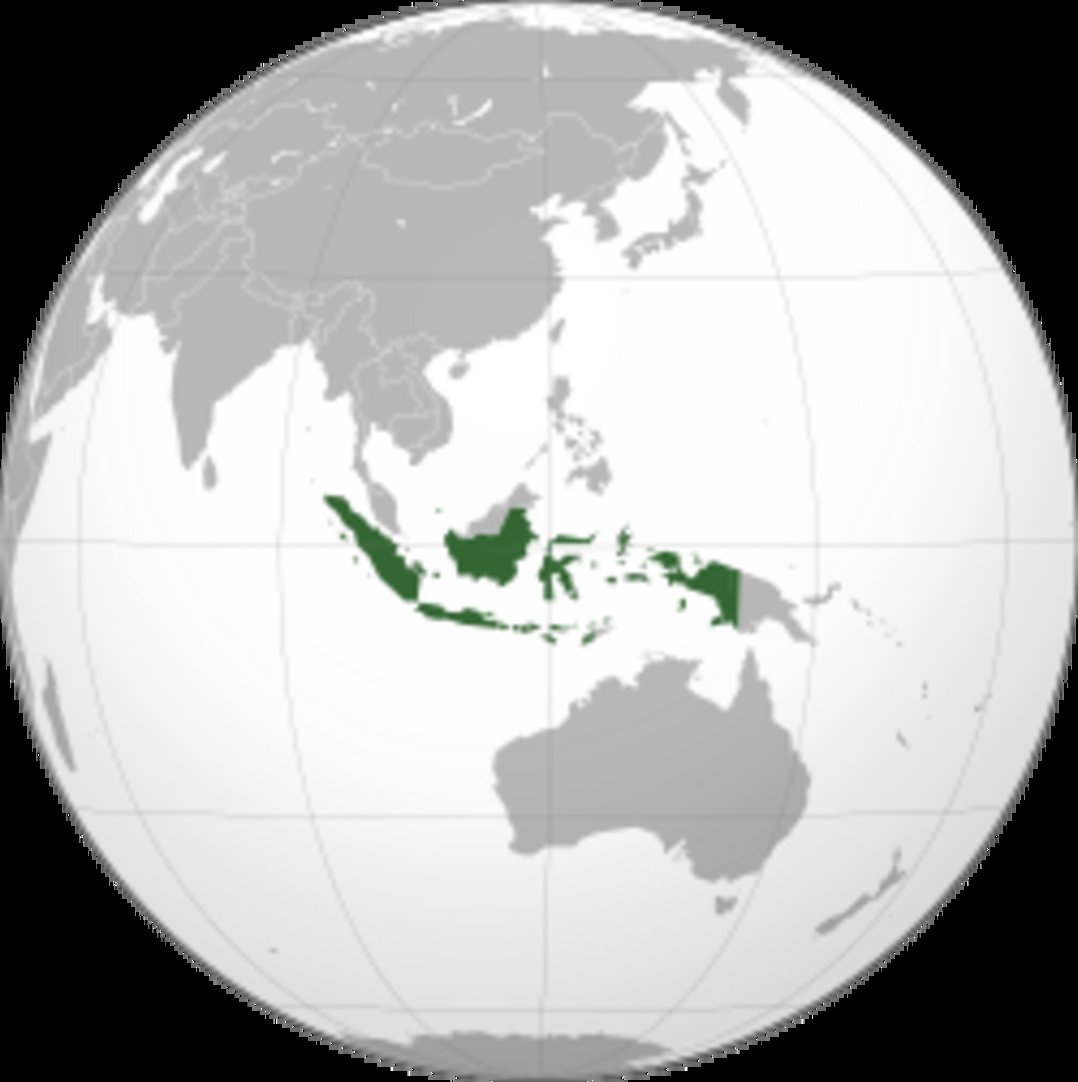
The strongest lead regarding the material's origin points not to a standalone rare earth mine, but to Indonesia's famous Bangka-Belitung Islands province, located off the eastern coast of Sumatra. Vessel-tracking data indicate that TB Capricorn 106 departed Pangkal Balam, one of Bangka's principal ports, before reaching Batam. Public mining records link PMM to operations in Bangka Regency and reportedly Central Bangka Regency (Bangka Tengah).
For rare earth observers, this is a critical clue. Bangka-Belitung is one of the world's most important tin-producing regions. The same placer deposits that contain cassiterite (tin ore) frequently contain monazite, xenotime, zircon, ilmenite, and other heavy mineral sands. Many of these minerals host rare earth elements, thorium, titanium, and zirconium.
In other words, following the tin often leads directly to the rare earths.
Indonesia's Bigger Strategic Shift
The seizure also arrives at a pivotal moment for Indonesian industrial policy. Over the past decade, Jakarta has increasingly restricted exports of raw mineral materials while encouraging domestic processing, refining, and downstream manufacturing. The strategy first gained global attention through nickel export restrictions but increasingly applies to a broader range of critical minerals.
If investigators ultimately determine that the seized cargo contained commercially significant rare-earth-bearing mineral sands, the case could become an important test of Indonesia's broader resource-nationalism strategy.
The government is increasingly treating strategic minerals not simply as commodities, but as national assets.
The Players Behind the Mystery
PT Putraprima Mineral Mandiri (PMM)
PMM sits at the center of the controversy.
The company claims the fifteen disputed containers contained legally exported mineral products, principally ilmenite and related heavy mineral sands, accompanied by proper documentation and export clearances. PMM has publicly rejected allegations of smuggling and has aggressively challenged government assertions regarding the cargo.
PT Timah
The second major player is PT Timah (opens in a new tab), Indonesia's state-controlled tin giant and one of the world's largest tin companies.
Ten containers aboard the same shipment reportedly belonged to PT Timah. The company itself is not accused of wrongdoing in connection with the seizure. However, its presence underscores the extent to which this case intersects with Indonesia's broader tin supply chain.
PT Timah is no ordinary mining company. Majority controlled by the Indonesian government through the MIND ID (opens in a new tab) state mining holding company, it sits at the center of Indonesia's efforts to formalize and modernize the country's tin sector. The company has also become increasingly involved in discussions surrounding the recovery of critical minerals and rare-earth-bearing byproducts from tin operations.
PT Sucofindo
PT Sucofindo (opens in a new tab) is Indonesia's state-backed inspection, testing, and certification company.
PMM cites Sucofindo verification as evidence that the cargo met export requirements.
Pangkalpinang Customs
The local customs office in Bangka-Belitung has publicly defended portions of the export documentation process, creating an unusual situation in which one arm of the Indonesian state appears to be defending paperwork that another arm is actively investigating.
Singapore Was Likely a Stop, Not the Destination
Public reporting from Indonesian and Singaporean sources indicates the shipment was bound for Singapore when intercepted.
However, Singapore was almost certainly a transshipment hub rather than the final destination. Singapore's role may ultimately prove more logistical than industrial. The city-state functions as one of Asia's most important commodity trading and transshipment hubs. Material moving through Singapore can ultimately be destined for processors throughout China, Malaysia, Japan, South Korea, Europe, or elsewhere.
The ultimate consignee remains unknown. No public evidence has yet identified a Chinese, Malaysian, Singaporean, or Western processor as the intended end buyer. That may ultimately become the most important question in the entire case.
The Investigators
The investigation has become a major interagency effort involving:
- Fleet Command I (Koarmada I) of the Indonesian Navy
- Kodaeral IV Batam (Naval Regional Command IV)
- Satgas PKH (Forest Area Enforcement Task Force)
- Indonesia's Attorney General's Office
- Customs and Energy Ministry officials
Leading figures include:
- Febrie Adriansyah — Indonesia's Junior Attorney General for Special Crimes and chairman of Satgas PKH
- Lt. Gen. Richard Taruli H. Tampubolon — Chief of General Staff of the Indonesian Armed Forces (TNI)
- Rear Adm. Berkat Widjanarko — Commander of Kodaeral IV Batam
- Barita Simanjuntak — Satgas PKH spokesperson
- Junanto Kurniawan — Head of Pangkalpinang Customs
The Bigger Story
The deeper investigators dig, the less this appears to be a simple smuggling case and the more it resembles a collision between Indonesia's tin economy, strategic mineral ambitions, export controls, and growing competition for critical materials.
The rare earths may ultimately be only one piece of the puzzle. The larger mystery is whether Indonesia's vast tin belt has quietly become a significant source of strategic mineral sands moving through opaque supply chains at a moment when governments around the world are scrambling to secure critical minerals.
As Rare Earth Exchanges first suggested, the most important question may not be what was seized.
It may be who was waiting to receive it.
Register today: REEx Marketplace™ (opens in a new tab)
Discover companies, projects, pricing intelligence, and opportunities across the global rare earth value chain at the REEx Marketplace: https://marketplace.rareearthexchanges.com/signup (opens in a new tab)


0 Comments
No replies yet
Loading new replies...
Moderator
Join the full discussion at the Rare Earth Exchanges Forum →