
Highlights
- Indonesian military intercepted 25 containers of mineral concentrates containing neodymium, cerium, thorium, uranium, and zirconium near Batam, south of Singapore.
- China controls 85-90% of global rare earth separation capacity, making it the most likely destination for unprocessed concentrates, though no public evidence links Beijing to this seizure.
- The bust may signal Indonesia's expanding resource nationalism, potentially leading to stricter export controls and domestic processing mandates similar to its nickel strategy.
- The identity of the cargo's owner, financier, and intended buyer remains unknown, leaving the most critical questions in the case unanswered.
- The incident reflects a broader global trend of developing nations treating rare earths and critical minerals as strategic assets rather than ordinary export commodities.
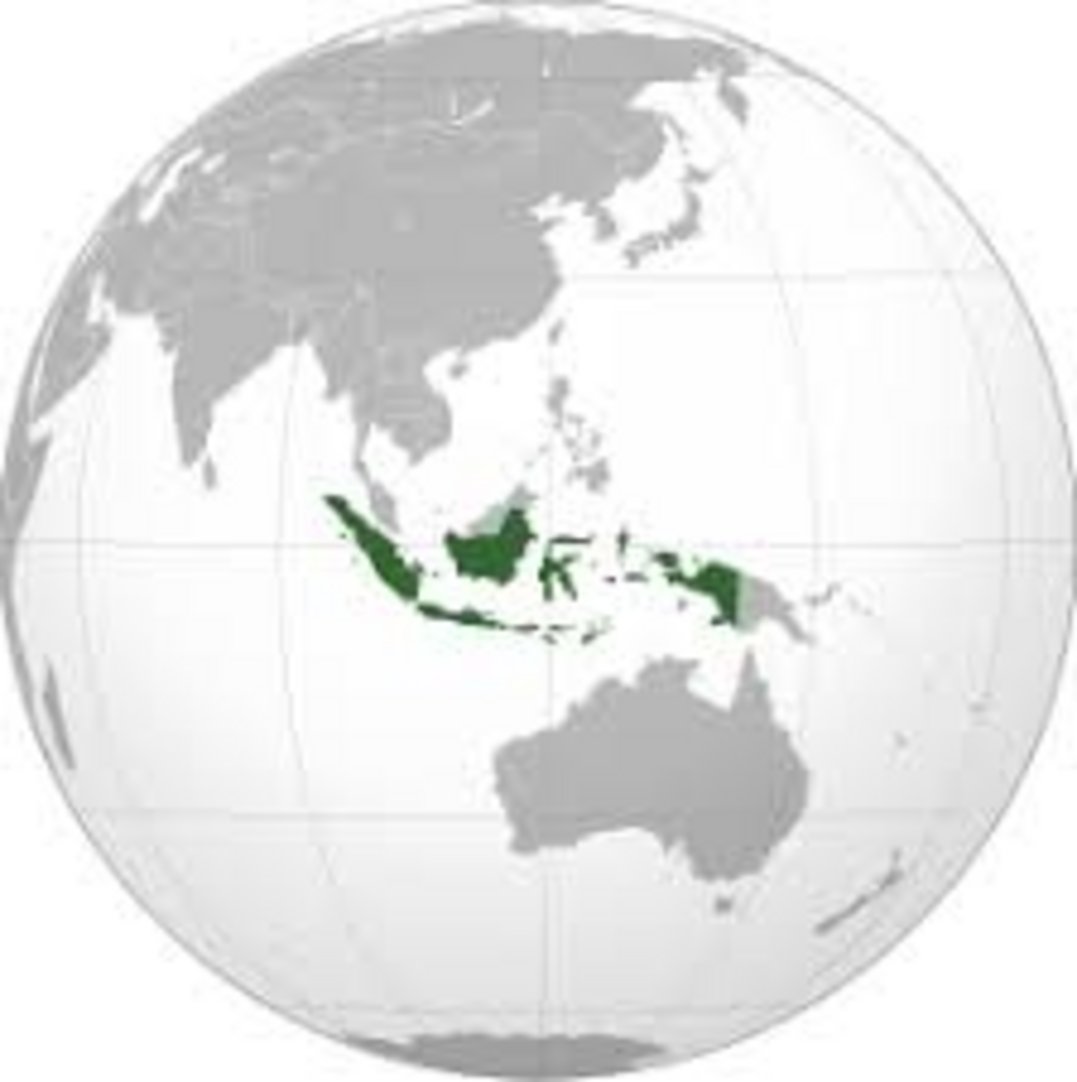
Indonesian authorities have intercepted approximately 390 tonnes of mineral concentrates reportedly containing rare earth elements and radioactive materials in waters near Batam, just south of Singapore. While officials have not publicly identified the intended buyer or final destination, the seizure raises a larger question that goes to the heart of today's critical minerals competition: Who was willing to pay hundreds of millions of dollars for these materials? The answer matters because the incident sits at the intersection of resource nationalism, rare earth supply chains, China's industrial dominance, and Southeast Asia's growing role in the geopolitical contest for critical minerals.
The Missing Piece of the Story
According to Indonesian military and police officials, the cargo consisted of approximately 25 containers of mineral concentrates allegedly containing rare earth elements and radioactive minerals. Authorities have publicly discussed minerals containing neodymium, cerium, thorium, uranium, and zirconium-bearing materials. However, several critical facts remain unknown:
- Who owned the cargo?
- Who financed the shipment?
- Where was the material ultimately headed?
- Was the cargo destined for processing, refining, stockpiling, or resale?
- Were international buyers involved?
Until those questions are answered, many headlines remain incomplete.
Follow the Processing Capacity
One uncomfortable reality shapes the investigation.
Most countries do not possess commercial-scale capability to process rare earth concentrates containing radioactive elements.
China does.
Today China controls approximately 85-90% of global rare earth separation capacity and remains the dominant destination for many rare earth concentrates mined throughout Asia, Africa, and Latin America.
That does not mean the shipment was headed to China.
However, investors should recognize that any large-volume movement of rare earth-bearing concentrates naturally raises questions about whether
Chinese refiners, traders, intermediaries, or downstream manufacturers were involved somewhere in the chain. At present there is no public evidence linking China to the seizure. But there is also no public explanation identifying an alternative destination.
Indonesia's Growing Resource Nationalism
The political context is equally important. Indonesia transformed the global nickel industry by restricting exports and forcing investment into domestic processing. The strategy attracted tens of billions of dollars of foreign investment while shifting significant portions of the battery supply chain into Indonesia.
Jakarta increasingly appears interested in applying a similar philosophy to other strategic minerals. The seizure therefore may represent more than law enforcement. It may represent industrial policy. If Indonesian authorities conclude that valuable rare earth-bearing materials were leaving the country without authorization, the government could respond with tighter export controls, stricter licensing requirements, and greater pressure to process these resources domestically.
Why This Matters Beyond Indonesia
The Batam seizure may offer a glimpse of a larger trend emerging across the developing world. Countries are beginning to recognize that rare earths, critical minerals, and associated radioactive materials are no longer ordinary commodities.
They are strategic assets. For decades, resource-rich nations exported raw materials while others captured the high-value refining and manufacturing stages. Increasingly, governments want a larger share of that value chain.
That ambition is now colliding with the enormous demand coming from China, the United States, Europe, Japan, and South Korea.
Rare Earth Exchanges Take
The most important unanswered question is not whether the cargo was illegal. It is who wanted it.
If future investigations reveal connections to Chinese processors, traders, or intermediaries, the seizure would highlight China's continuing gravitational pull over global rare earth supply chains.
If another destination emerges, it could indicate that alternative processing ecosystems are beginning to develop outside China.
Either outcome would be significant. For now, investors should watch carefully. This story may prove to be less about smuggling and more about the next phase of the global competition for strategic minerals.
REEx Marketplace™
Connecting buyers, sellers, investors, processors, manufacturers, and governments across the global rare earth value chain.
Discover opportunities, intelligence, pricing trends, and strategic materials at:
https://marketplace.rareearthexchanges.com/signup (opens in a new tab)


0 Comments
No replies yet
Loading new replies...
Moderator
Join the full discussion at the Rare Earth Exchanges Forum →