
Highlights
- The EU's Commissioner Síkela plans to visit Brazil's Viridis Mining Colossus Project, signaling Europe's push to secure critical mineral supply away from China.
- Brazil is demanding domestic refining and processing rather than raw material exports, positioning itself as a potential rare earth processing hub.
- China still dominates midstream rare earth processing, making separation and magnet capacity the true strategic bottlenecks in the global supply chain.
- The competition for Brazil's rare earths reflects a broader geopolitical shift toward economic resilience and industrial sovereignty among major world powers.
Much like America, Europe is also accelerating its push into Brazil's rare earth sector as it seeks alternatives to Chinese supply chains and greater strategic autonomy. A planned visit by European Commissioner Jozef Síkela (opens in a new tab) highlights growing competition among the European Union, the United States, and China for access to Brazil's vast rare earth resources. For investors, the story is not about mining alone—it's about who controls processing, refining, and ultimately the value chain. Welcome to Great Powers Era 2.0, the emerging geopolitical age in which major nations compete aggressively to secure critical minerals, energy, technology, manufacturing capacity, and strategic supply chains, replacing the globalization-first model with a race for economic resilience, industrial sovereignty, and national advantage.
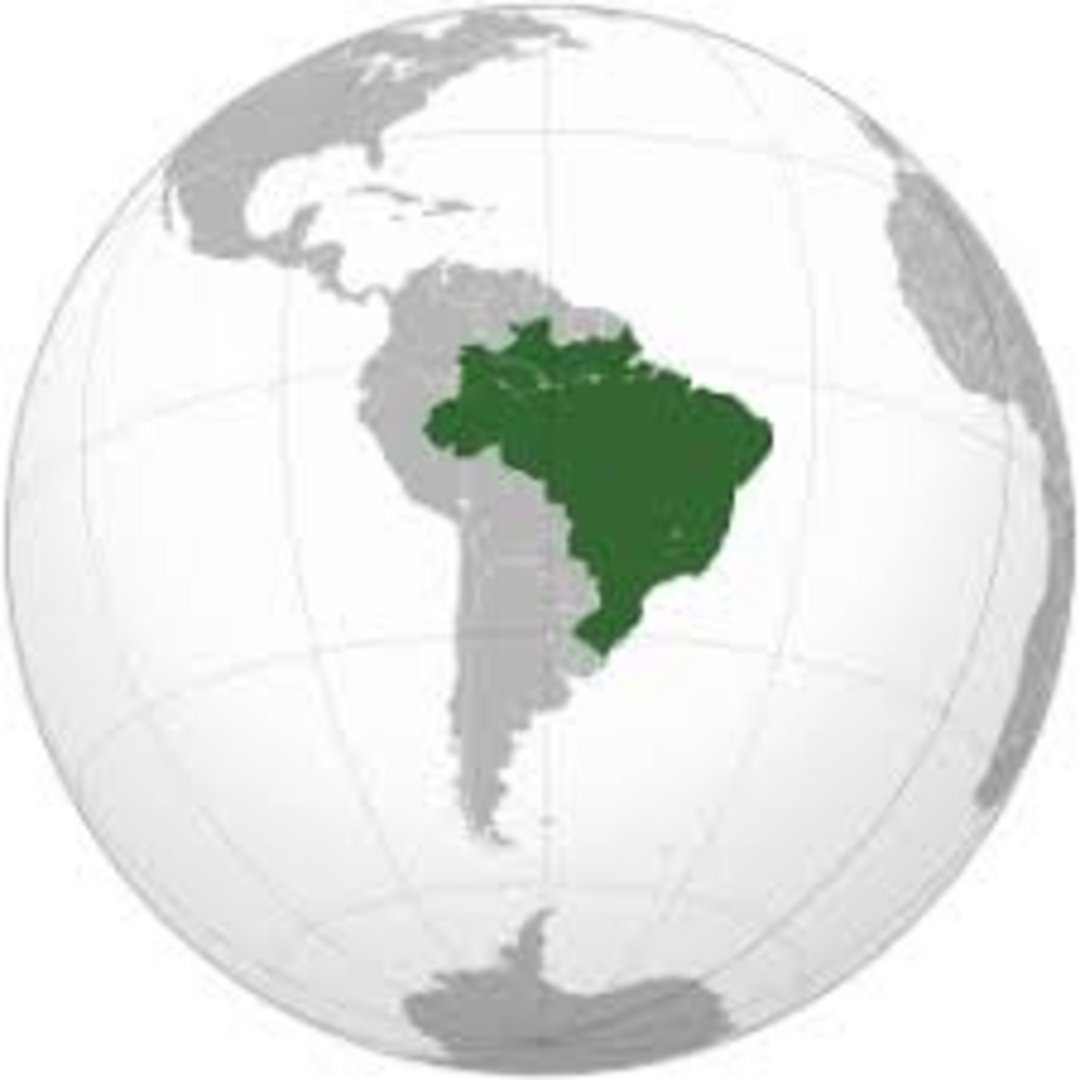
Europe's New Rare Earth Frontier Lies in Brazil
A century ago, great powers raced for oil. Today, they are chasing rare earths and critical minerals.
The European Union is deepening engagement with Brazil, home to an estimated 21 million tonnes of rare earth resources. Síkela's upcoming visit, including a stop at Viridis Mining's Colossus Project (opens in a new tab), signals Brussels' determination to secure long-term critical mineral supply.
More Than a Mining Deal
An Intellinews piece conveys that Europe is pursuing diversification away from China while Brazil increasingly insists that refining and processing occur domestically rather than exporting raw materials. That distinction matters. Rare earth value is created primarily in separation, refining, metals, alloys, and magnets—not simply mining.
The Missing Piece
The report understates one critical reality: China still dominates the midstream supply chain. Even if Brazil develops major new production, separation and magnet capacity remain the strategic bottlenecks. What's notable is that Brazil appears increasingly unwilling to become merely another source of raw material. If successful, the country could emerge as a rare earth processing hub rather than a feedstock supplier.
That would reshape the competitive map of the global rare earth industry.
Register today: REEx Marketplace™ (opens in a new tab)
Discover companies, projects, pricing intelligence, and opportunities across the global rare earth value chain at the REEx Marketplace: https://marketplace.rareearthexchanges.com/signup (opens in a new tab)


0 Comments
No replies yet
Loading new replies...
Moderator
Join the full discussion at the Rare Earth Exchanges Forum →