
Highlights
- A China Rare Earth Industry Association delegation visited 20 companies in Baotou, Inner Mongolia from June 6–12 to assess operational challenges and industrial upgrading progress.
- Delegates reviewed rare earth price index methodology and futures market developments at the Baotou Rare Earth Products Exchange, signaling China's push to control global price discovery.
- Visits to permanent magnet motor facilities highlight China's strategic push downstream into higher-value products like EV motors, robotics, and industrial automation.
- The review reflects China's integrated industrial governance model, blending market participation with state-backed strategic planning across the entire rare earth value chain.
China's rare earth industry is conducting a comprehensive checkup on the nation's most important rare earth production hub.
According to a June report from the China Rare Earth Industry Association, a delegation spent June 6–12 conducting field research across Baotou, Inner Mongolia—the center of China's light rare earth industry and home to the world-class Bayan Obo deposit. The purpose was straightforward: gather intelligence from industry participants, identify operational challenges, and support Beijing's ongoing effort to strengthen what it calls its "Two Rare Earth Bases" strategy.
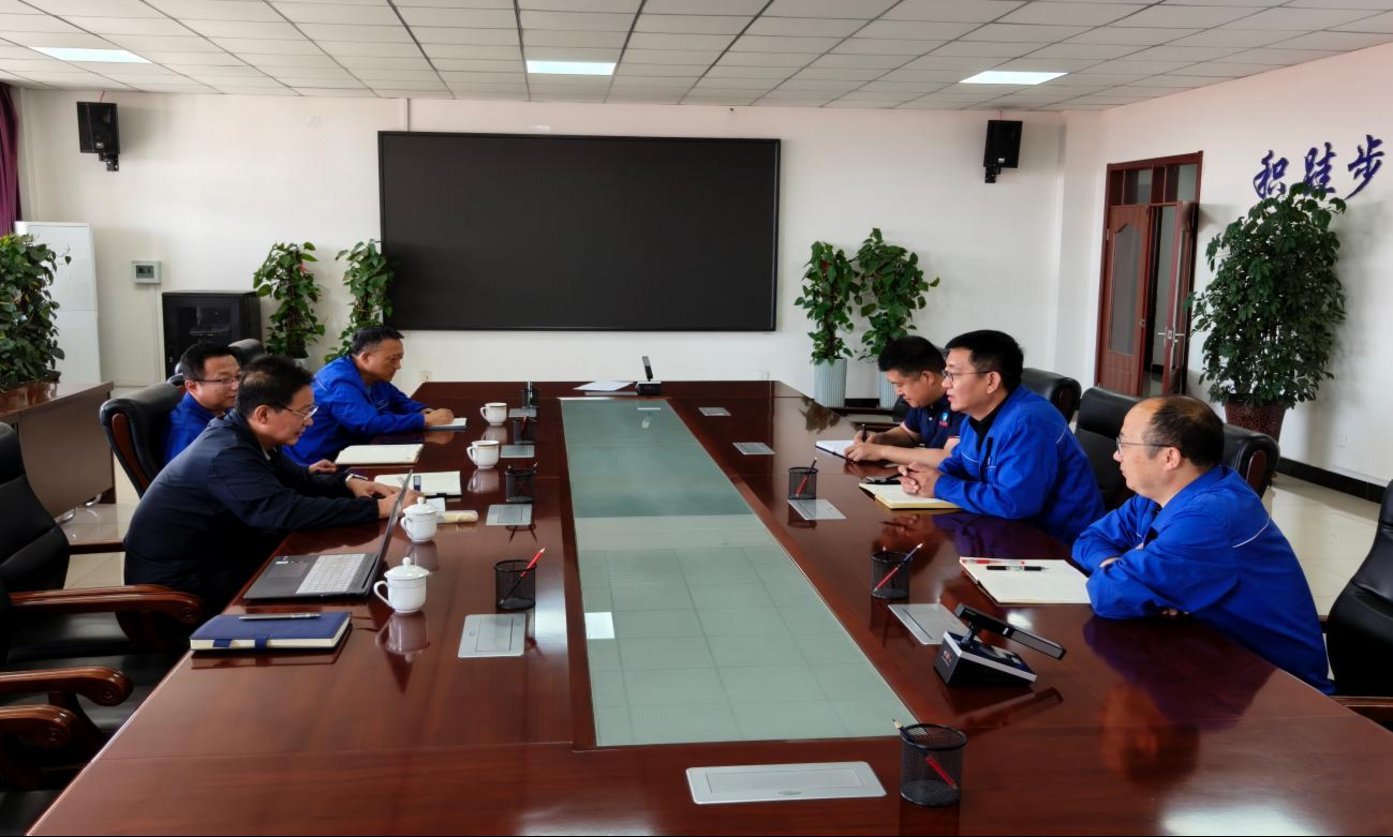
While the announcement contains no major commercial or technological breakthrough, it offers a revealing glimpse into how Chinese industry organizations monitor and coordinate one of the world's most strategically important supply chains.
Twenty Companies, One Message
The delegation met with leaders from 20 rare earth metal, alloy, and specialty materials companies spanning the downstream processing sector.
Discussions focused on:
- Production and capacity utilization
- Market conditions
- Raw material price volatility
- Technology upgrades
- High-end product development
- Policy impacts on operations
The association reported that companies continue to face challenges upgrading technology, extending value chains, and connecting with downstream applications. For investors, this suggests that even within China's dominant rare earth ecosystem, industrial upgrading remains a work in progress rather than a completed success story.
Baotou Exchange and Rare Earth Pricing
One of the more notable stops occurred at the Baotou Rare Earth Products Exchange.
Delegates reviewed the methodology behind China's rare earth price indices, examined price collection and calculation mechanisms, and discussed developments related to rare earth futures markets. This is significant because China continues to expand its influence not only over rare earth production, but also over price discovery and market infrastructure. The long-term objective appears to be creating more market-based pricing mechanisms while maintaining strategic oversight of the industry.
Magnets, Motors, and the Next Stage of Growth
The delegation also visited Inner Mongolia North Jiaxuan Technology Co., Ltd. to assess the development of Baotou's rare earth permanent magnet motor industry. The visit highlights China's growing emphasis on moving downstream into higher-value products such as motors, advanced magnets, robotics, electric vehicles, and industrial automation systems.
Why This Matters
No major policy announcement emerged from the trip. However, the broader signal is important.
China is continuing to gather real-time intelligence across its rare earth value chain—from metals and alloys to pricing systems and advanced manufacturing applications. The exercise demonstrates an industrial governance model that blends market participation, industry coordination, and state-backed strategic planning.
For Western governments and investors, the message is clear: China is not simply mining rare earths. It is actively managing the evolution of an integrated industrial ecosystem designed to maintain competitiveness across the entire value chain.
Bottom Line
Although not a breakthrough event, it’s actually something potentially more consequential: a systematic review of the health of China's rare earth supply chain by one of the country's most influential industry organizations. As competition for critical minerals intensifies in the Great Powers Era 2.0, understanding how China monitors and develops its rare earth ecosystem may prove just as important as tracking new mines or processing plants.
A REEx Statement on China
At Rare Earth Exchanges® (REEx), we focus heavily on China for one simple reason: China remains the center of gravity of the global rare earth and critical mineral supply chain. Depending on the material and stage of processing, China controls approximately 90% of rare earth refining and roughly 90% of rare earth magnet manufacturing—the very components that power electric vehicles, robotics, drones, wind turbines, smartphones, advanced semiconductors, and modern defense systems. Ignoring China while covering rare earths would be like covering global oil markets while ignoring the Middle East. Our mission is not to promote or criticize China, but to understand it. We translate, analyze, and interpret Chinese government, industry, academic, and corporate developments because they often provide the earliest signals of changes that can affect Western manufacturers, investors, policymakers, and national security planners.
In the emerging Great Powers Era 2.0 (our thesis for understanding investment flow), where supply chains have become strategic assets and industrial capacity increasingly defines national power, understanding what is happening inside China's rare earth ecosystem is not optional—it is essential. REEx exists to bridge that information gap, helping Western audiences separate signal from noise and better understand the industry's most important market.
Disclaimer: This report is based on information released by the China Rare Earth Industry Association and related Chinese industry organizations. The information reflects official Chinese industry perspectives and should be independently verified. Some strategic objectives and outcomes discussed may not be independently confirmed.
Register for REEx Marketplace™: https://marketplace.rareearthexchanges.com (opens in a new tab)


0 Comments
No replies yet
Loading new replies...
Moderator
Join the full discussion at the Rare Earth Exchanges Forum →