
Highlights
- Omar Yaghi, 2025 Nobel Prize-winning chemist, is leaving UC Berkeley to lead a new AI-focused materials institute at Tsinghua University in Beijing.
- AI-accelerated materials discovery could drive breakthroughs in permanent magnets, rare earth processing, battery materials, catalysts, and advanced alloys.
- Yaghi's move underscores China's strategy of pairing major research investment with aggressive recruitment of world-class scientific talent.
- Western nations face mounting pressure to boost research funding, commercialization pipelines, and talent retention to stay competitive in critical materials innovation.
The global competition for leadership in advanced materials research just intensified. Omar Yaghi, (opens in a new tab) the 2025 Nobel Prize-winning chemist renowned for pioneering metal-organic frameworks (MOFs), is leaving the University of California, Berkeley to join Tsinghua University in Beijing, where he will lead a new institute focused on using artificial intelligence to accelerate materials discovery.
Omar Yaghi, Nobel Prize Winner
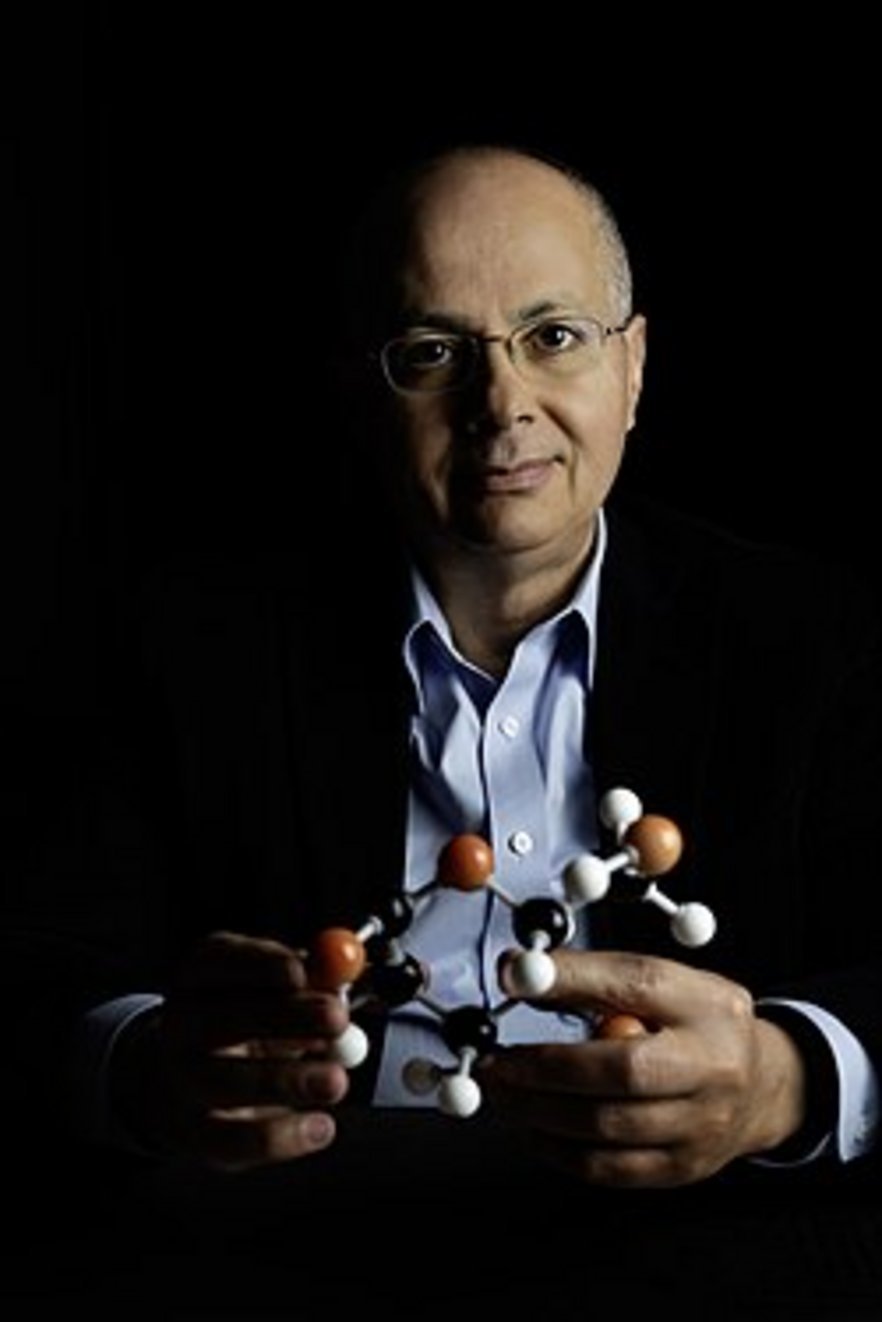
Source: Wikipedia
The move reflects more than a high-profile academic appointment. It highlights China's continued strategy of pairing substantial research investment with aggressive recruitment of world-class scientific talent. For Rare Earth Exchanges® readers, the implications extend well beyond academia. AI-driven materials discovery could accelerate breakthroughs in permanent magnets, rare earth processing, battery materials, catalysts, superconductors, and advanced alloys—all technologies central to the critical minerals supply chain.
While one scientist does not determine technological leadership, talent migration increasingly signals where governments are placing long-term strategic bets. As China expands investment across chemistry, materials science, and AI, Western nations face growing pressure to strengthen research funding, commercialization, and talent retention if they hope to remain competitive in the next generation of critical materials innovation.
Source: The New York Times, July 9, 2026.
Register today: REEx Marketplace™ (opens in a new tab)


0 Comments
No replies yet
Loading new replies...
Moderator
Join the full discussion at the Rare Earth Exchanges Forum →