
Highlights
- Indonesia is testing export shipments of alumina and nickel pig iron for rare earth elements and radioactive materials following a 2025 domestic-use prioritization policy.
- The inspections stem from criminal allegations that rare earth-bearing materials were concealed in lab reports used to obtain export permits.
- Indonesia's rare earth story is tied to its Bangka-Belitung tin belt, where monazite and heavy mineral sands naturally accompany tin production.
- Indonesia still lacks large-scale rare earth separation capacity and a downstream supply chain, making its commercial REE industry largely aspirational.
- Jakarta is applying its resource-nationalist playbook—proven in nickel markets—to a broader class of critical mineral byproducts, signaling a strategic shift investors should monitor.
Indonesia has begun delaying exports of alumina and nickel pig iron while customs officials test shipments for rare earth elements and radioactive materials. The inspections follow Jakarta's 2025 policy prioritizing domestic use of rare earths and recent criminal investigations into alleged concealment of rare earth-bearing materials. Rare Earth Exchanges® view: This is not evidence that Indonesia has suddenly emerged as a major rare earth producer. Rather, it is another chapter in a story REEx has been documenting for months: Indonesia is tightening control over strategic mineral-bearing byproducts—particularly those associated with its world-class tin industry—as resource nationalism expands beyond nickel.
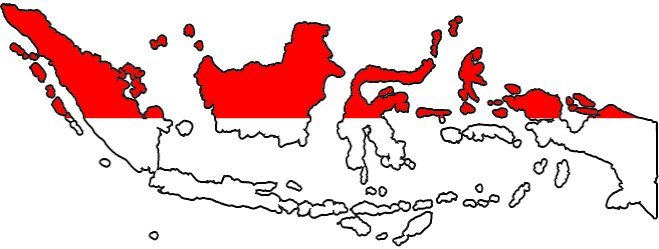
The Cargo Holds More Than the Manifest Reveals
Sometimes the most valuable commodity isn't what appears on the shipping manifest.
Indonesia has begun delaying exports of alumina and nickel pig iron while customs authorities test cargoes for rare earth elements and radioactive materials. Officials insist exports are not being banned, only verified. The inspections follow a 2025 regulation requiring rare earths to be prioritized for domestic use and come after prosecutors alleged rare earth-bearing materials were concealed in laboratory reports used to obtain export permits.
REEx Has Been Following This Trail Since June
For regular Rare Earth Exchanges readers, this development is familiar territory—not a surprise.
In "Indonesia's Rare Earth Mystery Deepens: Follow the Tin, Not Just the Rare Earths," we examined the seizure of 390 tonnes of mineral cargo near Batam containing titanium, zirconium, thorium, and rare earth oxides. Our conclusion was that the real story was not a hidden rare earth mine, but Indonesia's vast Bangka-Belitung tin belt, where monazite and other heavy mineral sands naturally accompany tin production.
That analysis was reinforced in "Indonesia's Rare Earth Mirage: A Critical Minerals Giant Still Waiting for Its REE Moment," which found no verified evidence that Indonesia has entered commercial rare earth mining, large-scale separation, or meaningful rare earth exports. Likewise, "Indonesia Eyes a Full Grip on Rare Earths: What's Real, What's Rhetoric?" concluded that Jakarta's ambitions remain real—but its commercial rare earth industry remains largely aspirational.
The Strategic Signal Investors Shouldn't Miss
Based on our understanding, Bloomberg's recent reporting remains factually sound but omits the broader context.
Detecting rare earths in export cargo does not create a commercially viable rare earth industry. Indonesia still lacks large-scale separation capacity and an established downstream rare earth supply chain.
The more important signal is political. Indonesia is applying the same resource-nationalist playbook that reshaped global nickel markets to a broader class of critical minerals. Why wouldn’t they, as we enter Great Powers Era 2.0? Increasingly, Jakarta is treating rare earth-bearing byproducts not as industrial waste, but as strategic national assets.
For investors, the message is clear: follow the tin as closely as the rare earths. Indonesia's competitive advantage today remains nickel and tin—but the byproducts moving through those supply chains may become tomorrow's strategic battleground.


0 Comments
No replies yet
Loading new replies...
Moderator
Join the full discussion at the Rare Earth Exchanges Forum →