
Highlights
- Brazil's Attorney General urges the Supreme Court to reject a lawsuit seeking to block USA Rare Earth's $2.8B acquisition of Serra Verde.
- The legal challenge comes from a fringe political party, not a national consensus, and Brazil's regulators continue their normal review of the transaction.
- Serra Verde was already foreign-owned before the deal, making retroactive intervention a risky signal to global capital markets.
- The real strategic issue is not mine ownership but downstream processing, separation, and magnet manufacturing—areas still dominated by China.
- The controversy reflects Great Powers Era 2.0, where supply chains rival armies and a mine in Goiás becomes a matter of strategy in Washington and Beijing.
USA Rare Earth’s (opens in a new tab) (Nasdaq: USAR) proposed US$2.8 billion acquisition of Serra Verde has reignited debate in Brazil, but the controversy appears more political than existential. Brazil’s Attorney General is urging the Supreme Court to reject a lawsuit seeking to block the deal, while regulators continue their normal review. For investors, the bigger story is not whether this transaction survives—it most likely will—but why rare earth assets have suddenly become geopolitical bargaining chips in the emerging Great Powers Era 2.0.
The Mine That Became a Chess Piece
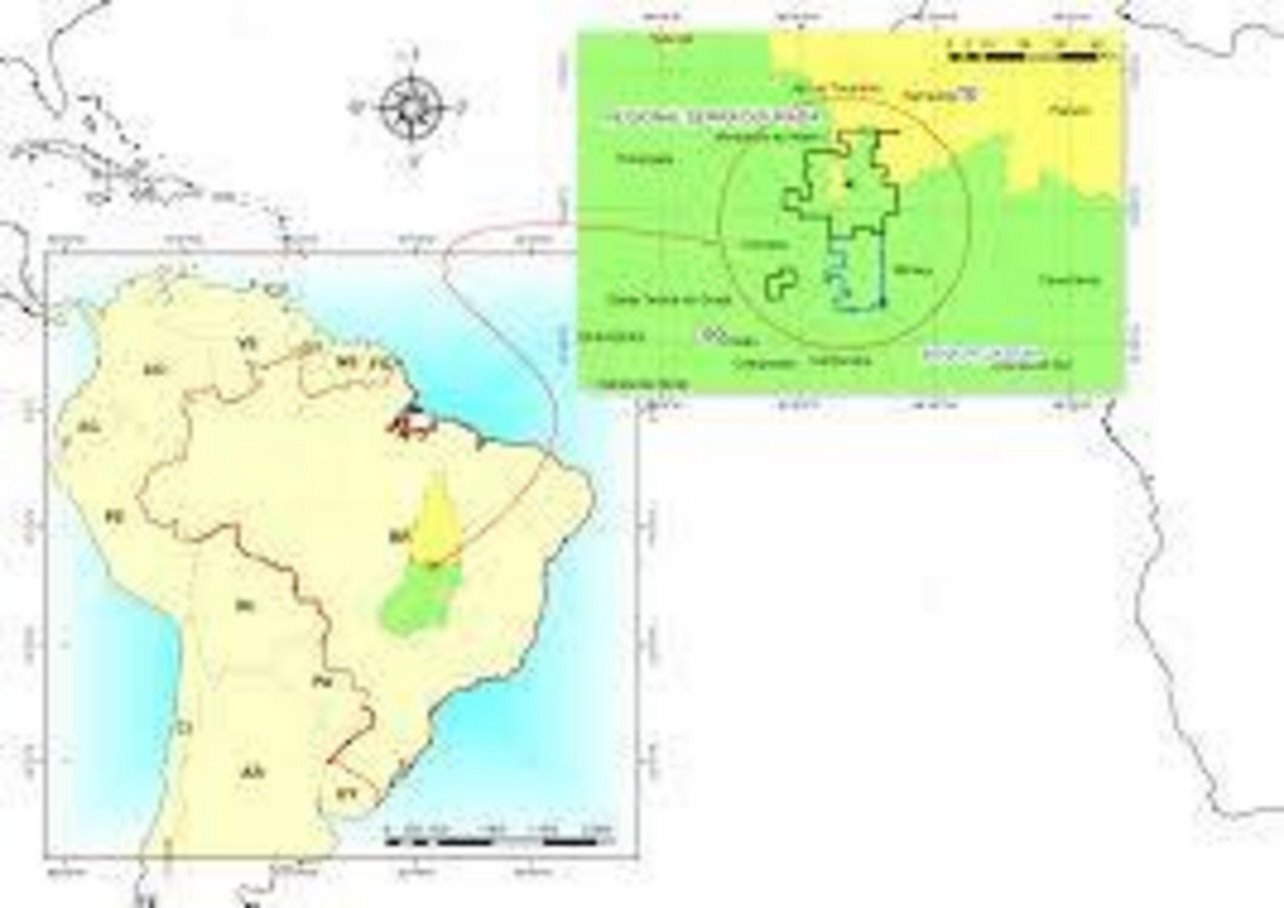
Rare earth mines were once obscure industrial assets. Not anymore. USA Rare Earth’s acquisition of Serra Verde, owner of the Pela Ema rare earth operation in Goiás, has become the latest flashpoint in the global scramble for critical minerals. A small political party, Rede Sustentabilidade (opens in a new tab) (environmentalist-focused party promoting sustainability), argues Brazil should have reviewed the transaction before control changed hands. Yet Brazil’s Attorney General has effectively signaled the challenge belongs elsewhere—and perhaps nowhere at all.
That matters because Serra Verde was already foreign-owned before this deal. Foreign investment is deeply embedded throughout Brazil’s mining sector. Attempting to retroactively derail a transaction of this nature would send a troubling signal to global capital markets at precisely the moment Brazil is seeking billions in investment for critical minerals development.
Between Sovereignty and Symbolism
Brazil certainly has legitimate reasons to examine strategic mineral policy. Congress is debating new critical-mineral legislation, and regulators are reviewing aspects of the transaction, including a 15-year offtake agreement. But investors should distinguish between policy evolution and political theater. The legal challenge originates from more of a fringe political actor rather than a broad national consensus. Meanwhile, Brazil continues to welcome substantial foreign investment across mining, energy, infrastructure, and manufacturing.
The REEx Reality Check
What Holds Water?
Brazil possesses one of the world’s largest rare earth resource bases.
Rare earths are increasingly viewed as strategic assets.
Governments worldwide are examining foreign ownership, processing capacity, and supply-chain security.
Where the Fog Rolls In
Suggestions that the transaction faces imminent cancellation appear overstated.
Assertions that Brazil could easily weaponize rare earth access overlook the economic importance of foreign capital and technology development.
The Missing Chapter
The real issue is not ownership of a mine.
From the Rare Earth Exchanges® perspective, the real issue is downstream processing, separation, metallization, alloy production, and magnet manufacturing—areas where China still dominates global capacity.
Great Powers Era 2.0 Arrives in Brazil
This story is not really about Serra Verde. It is about the transformation of minerals into instruments of statecraft.
Rare earth deposits are abundant. Industrial ecosystems are not. As nations compete for supply-chain resilience, mines increasingly become geopolitical assets, trade leverage, and strategic bargaining chips.
That is Great Powers Era 2.0 in action: the age when supply chains matter as much as armies, and a mine in Goiás suddenly becomes a matter of national strategy in Brasília, Washington, and Beijing alike.
Register today: REEx Marketplace™ (opens in a new tab)
Discover companies, projects, pricing intelligence, and opportunities across the global rare earth value chain at the REEx Marketplace: https://marketplace.rareearthexchanges.com/signup (opens in a new tab)


0 Comments
No replies yet
Loading new replies...
Moderator
Join the full discussion at the Rare Earth Exchanges Forum →