
Highlights
- Canada is developing the Port of Churchill into a year-round Arctic shipping hub to export critical minerals (including gold, rare earths, and natural gas) to northern Europe via 2,000+ km Hudson Bay routes.
- A University of Manitoba feasibility study explores extending Churchill's four-month operating window using icebreaker-supported navigation, leveraging warming Arctic conditions.
- The initiative faces environmental risks to beluga whales, infrastructure limitations, and high icebreaking costs, but could establish Arctic logistics sovereignty for North America.
Canada is advancing a strategic effort to transform the Port of Churchill into a year-round Arctic shipping hub—an initiative that could reshape global supply chains for critical minerals, including rare earth elements. A new feasibility study led by researchers at the University of Manitoba (opens in a new tab) and the Arctic Research Foundation (opens in a new tab) is mapping over 2,000 kilometers of potential shipping routes across Hudson Bay to northern Europe. The goal: extend Churchill’s current four-month operating window into a near year-round corridor using icebreaker-supported navigation.
Churchill, Canada
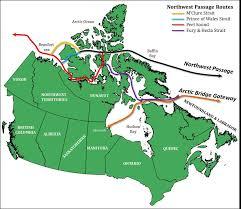
Source: ResearchGate
For Rare Earth Exchanges™ readers, the implications are significant. Churchill could become a strategic export gateway for Western Canada’s mineral resources—gold, rare earths, and natural gas—while supporting domestic refining and reducing reliance on congested or geopolitically exposed routes.
Warming Arctic conditions—Hudson Bay has risen by roughly 1°C over the past four decades—may further enable longer shipping seasons. But as reported (opens in a new tab) by CBC, the project faces constraints: environmental risks, including disruption to beluga whale populations, infrastructure limitations, and the high cost of icebreaking logistics.
REEx Insight: If successful, Churchill represents more than a port—it is a potential pivot point for the Arctic supply chain. For North America, it offers a rare opportunity to align resource development with logistics sovereignty in an increasingly contested global trade environment.


0 Comments
No replies yet
Loading new replies...
Moderator
Join the full discussion at the Rare Earth Exchanges Forum →