
Highlights
- Australia possesses world-class critical mineral deposits, but China dominates downstream refining and processing, creating strategic chokepoints in lithium, rare earths, cobalt, and graphite value chains.
- Despite structural demand growth from the energy transition, price volatility and investment bottlenecks threaten Australia’s ambition to become a cornerstone of secure non-Chinese supply networks.
- ASPI urges permitting reform, allied coordination with the US, Canada, and Japan, and downstream processing investment to capture value beyond raw exports and reduce overexposure to single markets.
In Disruption and Opportunity: Australia and Critical Minerals in a Changing Global Order, Ian Satchwell of the Australian Strategic Policy Institute (opens in a new tab) (ASPI) argues (opens in a new tab) that Australia stands at a decisive inflection point in the global competition for critical mineral supply chains.
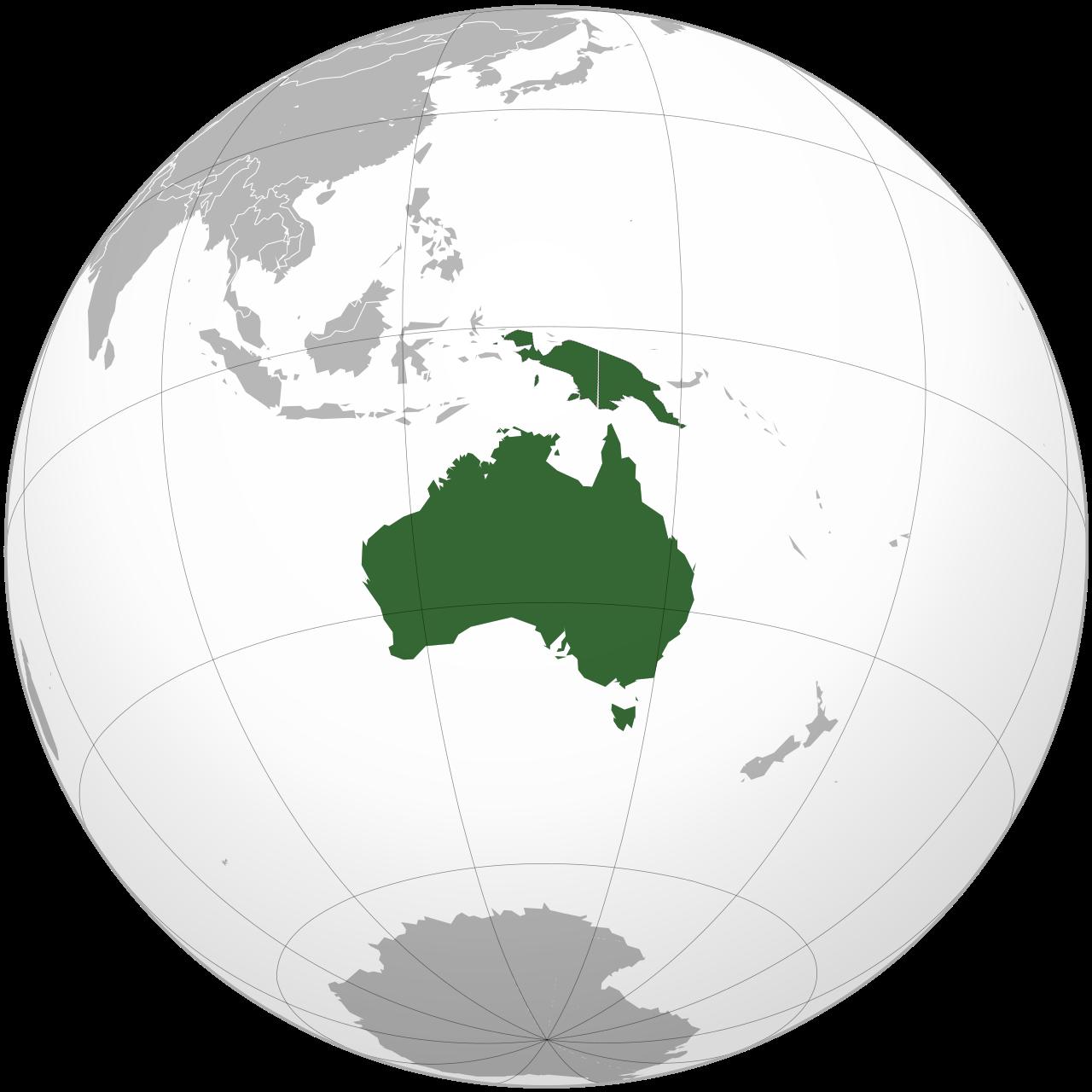
Drawing on energy transition forecasts, trade data, investment trends, and allied policy initiatives, Satchwell contends that although Australia possesses world-class mineral deposits and deep mining expertise, volatile pricing cycles, China’s downstream dominance, and fragmented Western policy responses threaten its ambition to become a cornerstone of secure non-Chinese supply chains. The report frames critical minerals not merely as commodities, but as instruments of geo-economic statecraft.
Study Approach
The report synthesizes International Energy Agency (IEA) projections, Australian Bureau of Statistics export data, S&P Global exploration trends, and policy analysis across Australia, the United States, Canada, the EU, and Asia. It evaluates supply concentration, demand growth through 2035, processing capacity gaps, and investment bottlenecks.
Core Findings
1. Downstream Concentration Is the Real Risk.
While Australia is a leading producer of lithium and rare earth feedstock, China dominates refining and processing across rare earths, lithium chemicals, cobalt, and graphite. The chokepoint lies not in mining, but in value-added conversion. This, of course, is nothing new for Rare Earth Exchanges™ readers.
2. Demand Growth Meets Price Volatility.
Energy transition minerals face structural demand growth, yet recent oversupply cycles—particularly in lithium—have delayed final investment decisions for new Australian projects.
3. Export Exposure Creates Strategic Vulnerability.
Minerals comprise roughly two-thirds of Australia’s goods exports, with a significant share destined for China. That dependence complicates diversification efforts.
4. Allied Coordination Is Uneven.
US industrial subsidies and domestic processing mandates sometimes clash with Australia’s “Future Made in Australia” strategy. Multilateral frameworks (G7, Quad, Minerals Security Partnership) remain nascent.
Implications
The report argues Australia must accelerate permitting reform, secure affordable energy, deepen alliances with Canada and Japan, and activate trade agreements to reduce overexposure to a single market. Critical minerals are now strategic infrastructure.
Limitations
ASPI’s analysis leans heavily toward geopolitical risk framing. Critics may argue it underweights cyclical market forces and private capital constraints. Additionally, scaling downstream refining in Australia faces cost and competitiveness hurdles.
Conclusion
Australia’s geology provides leverage. Policy execution will determine whether it captures value beyond raw exports. Without structural reform and allied alignment, Australia risks remaining upstream in a downstream-dominated world.
Citation: Ian Satchwell, Disruption and Opportunity: Australia and Critical Minerals in a Changing Global Order, Australian Strategic Policy Institute, February 2026


0 Comments
No replies yet
Loading new replies...
Moderator
Join the full discussion at the Rare Earth Exchanges Forum →