
Highlights
- Baotou's Bureau of Industry and Information Technology gathered government officials, researchers, state-owned enterprises, and recyclers to discuss medium and heavy rare earth industrial planning.
- The meeting focused on dysprosium and terbium, critical elements for permanent magnets used in EVs, wind turbines, robotics, and defense systems.
- No new policies or export restrictions were announced, but the symposium underscores China's coordinated, whole-of-supply-chain approach to rare earth strategy.
- Western nations largely focus on upstream mining, while China continues investing in separation, metal making, alloy production, magnet manufacturing, and recycling.
- The event reinforces that China's rare earth dominance is rooted in industrial coordination across every value chain stage, not mining alone.
China's rare earth capital has quietly assembled government officials, researchers, producers, recyclers, and advanced materials companies to discuss the future of medium and heavy rare earths. While no new policy announcements emerged, the meeting provides another indication that Chinese authorities continue coordinating development across the most strategically important segments of the rare earth supply chain. For Western governments and investors, the event reinforces that China remains focused not simply on mining, but on maintaining competitiveness throughout the entire value chain.
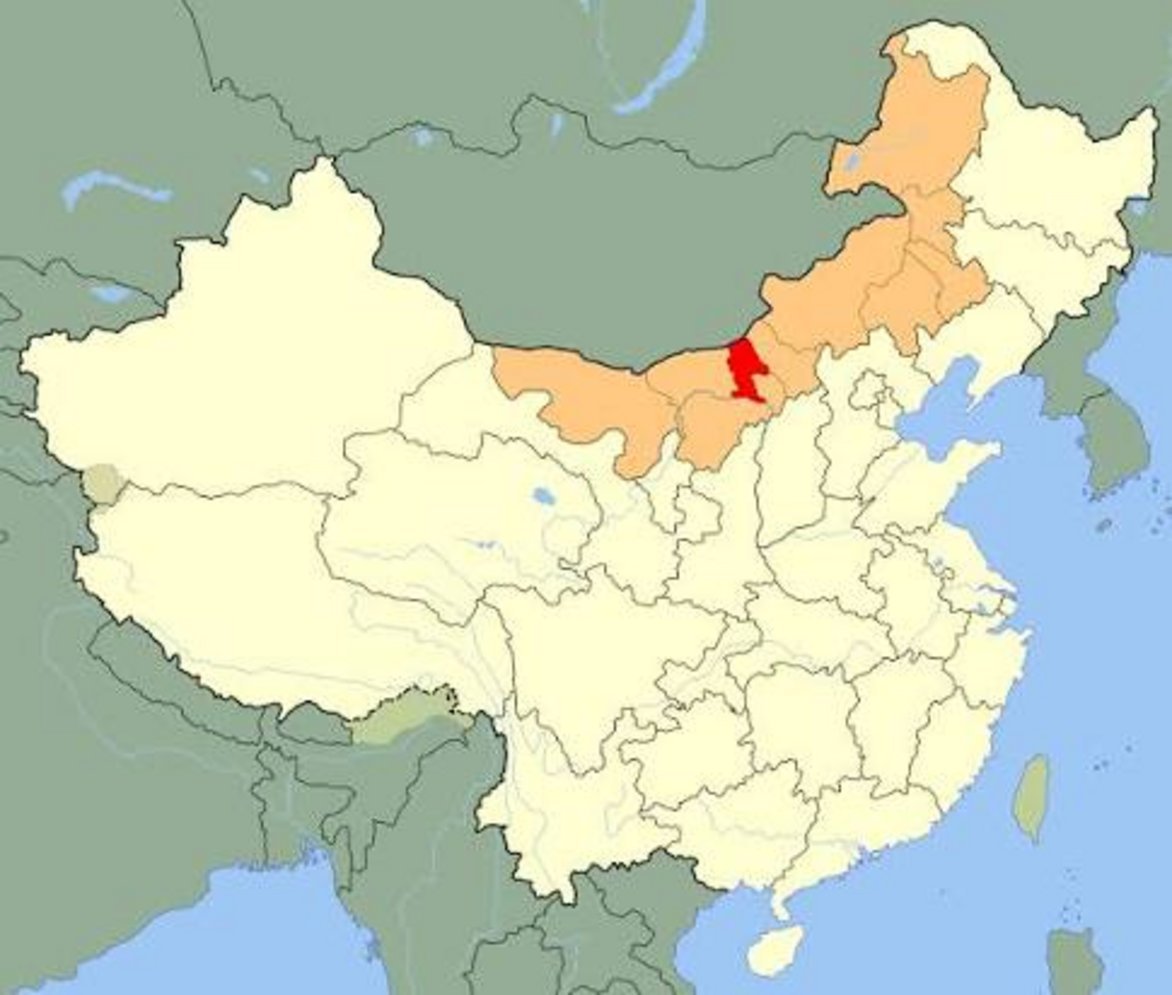
On the afternoon of July 2, the Baotou Municipal Bureau of Industry and Information Technology convened a symposium to gather recommendations on the development of the medium and heavy rare earth industry.
Participants included representatives from the Baotou Rare Earth High-Tech Industrial Development Zone, Inner Mongolia University of Science and Technology, Baotou Research Institute of Rare Earths, Shanghai Jiao Tong University Baotou Materials Research Institute, Baogang Group, China Northern Rare Earth Group, Ruixin Rare Earth, Jingtao Zirconium Industry, Zhongke Rare Earth Recycling, and Guochuang Rare Products.
Each organization discussed current production, market demand, scientific and technological innovation, and future industrial planning for medium and heavy rare earths. Participants also submitted recommendations intended to help shape Baotou's next phase of industrial development.
Why This Matters
At first glance, the announcement appears routine. In reality, it offers another window into how China organizes industrial policy around strategically important supply chains. Rather than relying solely on market forces, Baotou brought together government agencies, universities, research institutes, state-owned enterprises, recyclers, and private companies to discuss production capacity, downstream demand, technological innovation, recycling, and future industrial positioning.
The focus on medium and heavy rare earths is particularly noteworthy. This category includes strategically important elements such as dysprosium and terbium, which improve the high-temperature performance of permanent magnets used in electric vehicles, advanced robotics, wind turbines, aerospace systems, and defense applications.
Implications for Western Industry
No new policy, funding package, export restriction, production quota, or investment commitment was announced. Nevertheless, the meeting reinforces an important strategic reality: Chinese authorities continue treating medium and heavy rare earths as a coordinated industrial priority.
For the United States and Europe, the lesson extends well beyond mining. China continues investing across research, recycling, processing, manufacturing, and commercial coordination. By contrast, many Western initiatives remain concentrated on developing upstream mining projects, while the more difficult competitive challenge lies in separation, metal making, alloy production, permanent magnet manufacturing, and supply-chain integration.
Although the meeting itself announced no breakthrough, it is consistent with China's longstanding strategy of strengthening every stage of the rare earth value chain—particularly those segments that generate the greatest technological and strategic advantage.
Disclaimer: This report is based on information published by the Baotou Municipal Bureau of Industry and Information Technology, a Chinese government agency, plus we continue to cultivate a network across Asia. The announcement contains no independently verifiable technical, commercial, or policy data. Readers should treat the information as an official government communication and seek independent confirmation before relying on it for investment or policy decisions.
Register today: REEx Marketplace™ (opens in a new tab)


0 Comments
No replies yet
Loading new replies...
Moderator
Join the full discussion at the Rare Earth Exchanges Forum →