
Highlights
- Baotou's 'Rare Earth Attraction, Suzhou Gathering' event brought together 21 Yangtze River Delta companies spanning robotics, servo systems, CNC machinery, and industrial automation.
- The event produced concrete agreements including a strategic cooperation deal with Shenzhen Shenghong Electric and a contract with Ningbo Huasterlin Motor Manufacturing.
- China is advancing a vertically integrated supply chain model connecting mine to separation to magnet to motor to robot, capturing higher-value downstream industries.
- Western nations remain focused on upstream rare earth supply while China simultaneously strengthens the robotics and automation sectors that consume those critical materials.
- Permanent magnet motors using NdFeB, dysprosium, and terbium are central to robotics, drones, EVs, and humanoid robot platforms driving this downstream expansion.
Rare earth giant courts 21 Yangtze River manufacturers in a push to integrate magnets, motors, robotics, and next-generation industrial systems.
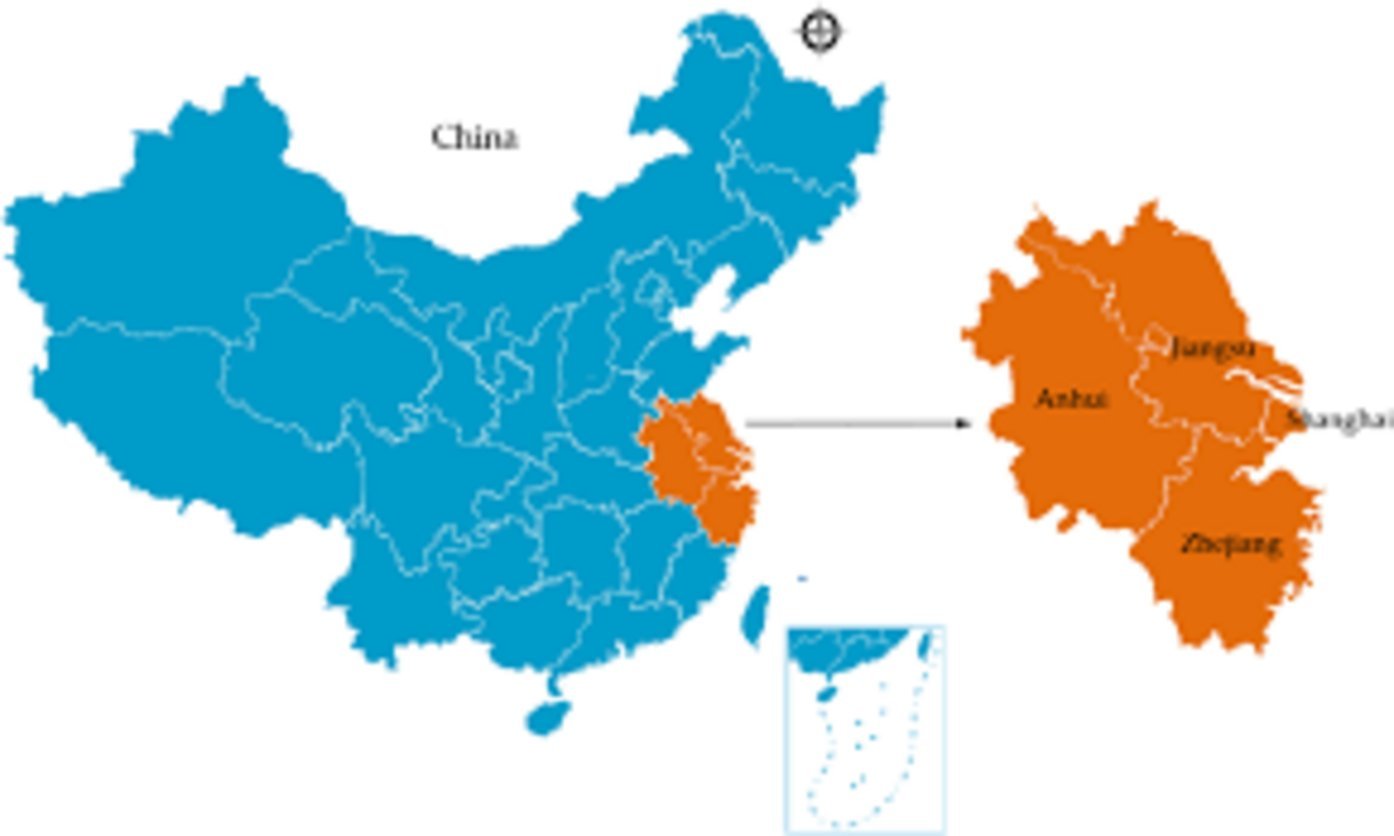
China's Baotou Rare Earth High-Tech Zone, home to one of the world's most important rare earth industrial clusters, traveled south to Suzhou on June 11 to pursue a strategic objective that extends far beyond mining and magnet production: integrating China's rare earth supply chain directly into the nation's rapidly expanding robotics, automation, and advanced manufacturing sectors.
The event, titled "Rare Earth Attraction, Suzhou Gathering," brought together 21 companies from the Yangtze River Delta spanning servo control systems, robotics, CNC machinery, industrial automation, low-altitude aviation, integrated energy, and advanced manufacturing. While framed as a business matchmaking conference, the gathering reflects a broader industrial strategy increasingly visible across China—linking upstream rare earth production with downstream industries that consume permanent magnets and generate substantially greater economic value.
From Mine to Robot: China's Next Industrial Play
The centerpiece of the event was the rare earth permanent magnet motor industry.
Participants discussed collaboration involving:
- Rare earth permanent magnet motors
- Servo drive systems
- Coreless motors
- Robot actuators
- Humanoid robots
- Low-altitude inspection equipment
- Industrial automation platforms
For Rare Earth Exchanges® readers, the significance lies not in the individual technologies but in how they fit together.
Permanent magnet motors are rapidly becoming critical components across robotics, drones, industrial automation, electric vehicles, aerospace systems, and emerging humanoid robot platforms. Each of these sectors depends heavily on high-performance neodymium-iron-boron (NdFeB) magnets and, increasingly, dysprosium- and terbium-enhanced magnet technologies.
Baotou's pitch to manufacturers was straightforward: leverage the region's world-class rare earth ecosystem to secure raw materials, improve supply-chain resilience, reduce bottlenecks, and accelerate product development.
Building the Entire Ecosystem
A second track focused on creating integrated industrial and digital infrastructure.
Companies involved in renewable energy, industrial internet platforms, communications security, and smart-grid technologies explored cooperation around:
- Wind-solar-hydrogen-storage integration
- Smart grid deployment
- Integrated energy services
- Carbon reduction technologies
- Industrial internet systems
- Smart security platforms
- Zero-carbon industrial parks
The message was unmistakable: China is not simply building magnet factories. It is building interconnected industrial ecosystems where materials, manufacturing, energy infrastructure, automation, and data systems reinforce one another.
Concrete Outcomes
Unlike many industrial conferences that conclude with broad statements of intent, the event produced tangible agreements.
Baotou Rare Earth High-Tech Zone announced:
- A strategic cooperation agreement with Shenzhen Shenghong Electric Co., Ltd.
- A contract signing with Ningbo Huasterlin Motor Manufacturing Co., Ltd.
Financial terms and project details were not disclosed.
Why This Matters to the West
The event did not announce a new rare earth discovery, breakthrough technology, or major production expansion.
Its importance is arguably greater. China continues advancing a vertically integrated industrial model that connects:
Mine → Separation → Metal → Alloy → Magnet → Motor → Robot
This is precisely the portion of the supply chain that the United States, Europe, Australia, and other allies are struggling to rebuild. While Western policymakers largely focus on securing upstream rare earth supply, China is simultaneously strengthening the industries that consume those materials. The result is a self-reinforcing ecosystem in which magnets, motors, robotics, automation systems, and advanced manufacturing capabilities develop together.
The strategic goal appears increasingly clear: not merely to dominate rare earth production, but to capture the higher-value industries built upon rare earth materials. For investors and policymakers, that may be the most important signal emerging from Suzhou.
Key Participants
Government & Industrial Organizations
- Baotou Rare Earth High-Tech Zone
- Investment Promotion Department, Baotou Rare Earth High-Tech Zone
Industry Sectors Represented
- Servo control systems
- CNC equipment
- Robotics
- Low-altitude economy and drone technologies
- New energy equipment
- Integrated energy systems
- Industrial internet infrastructure
- Communications security
Companies Specifically Named
- Shenzhen Shenghong Electric Co., Ltd.
- Ningbo Huasterlin Motor Manufacturing Co., Ltd.
Source Disclosure: This report is based on information published by media affiliated with the Baotou Rare Earth High-Tech Zone, a Chinese government-supported industrial development entity. The reported agreements, strategic objectives, and anticipated outcomes should be independently verified. No independent confirmation of the commercial value, scope, or long-term impact of the announced agreements was provided in the source material.
Register today: REEx Marketplace™ (opens in a new tab)
Discover companies, projects, pricing intelligence, and opportunities across the global rare earth value chain at the REEx Marketplace: https://marketplace.rareearthexchanges.com/signup (opens in a new tab)


0 Comments
No replies yet
Loading new replies...
Moderator
Join the full discussion at the Rare Earth Exchanges Forum →