
Highlights
- China has front-loaded ¥606.5 billion (~$84B USD) into strategic sectors—76% of its full-year 2026 target already deployed, signaling unprecedented speed in capital deployment focused on AI infrastructure, supply chains, and industrial competitiveness.
- This is precision industrial policy, not broad stimulus—targeting AI infrastructure, urban systems, transport corridors, agricultural land, and environmental restoration to compound supply chain advantage through synchronized scale.
- While Western initiatives slow in permitting and financing, China is compressing execution timelines by deploying capital earlier, building systems in parallel, and coordinating infrastructure-technology-policy as one integrated stack.
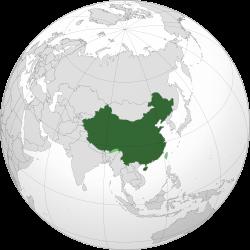
China is accelerating its state-led industrial push with unusual speed, front-loading capital into priority sectors tied to technology, infrastructure, and long-term supply chain control. According to a report circulated by the China Rare Earth Industry Association citing the National Development and Reform Commission, Beijing has approved the second batch of 2026 “Two Major” projects, allocating¥216.8 billion (~$30B USD) to 336initiatives.
Front-Loaded Spending, Faster Than Expected
With this tranche, total 2026 allocations reach ¥606.5 billion (~$84B USD)—76% of the full-year ¥800B target already deployed. That’s the signal.
Officials emphasized funding is being released “significantly faster than last year,” with a clear directive: convert capital into “physical work volume” as quickly as possible. In China’s system, that means projects breaking ground—not sitting in planning cycles.
Targeted Buildout: Not Stimulus, Strategy
This is not broad economic stimulus. It is a precision industrial policy aimed at reinforcing national capacity:
- Artificial intelligence infrastructure
- Urban underground utility systems (resilience + modernization)
- Yangtze River Economic Belt transport corridors
- High-standard agricultural land (food security)
- Higher education upgrades (talent pipeline)
- “Three-North” environmental restoration (land + climate strategy)
These sectors intersect directly with industrial competitiveness, logistics efficiency, and resource security—including downstream implications for critical minerals and advanced manufacturing.
Why the West Should Pay Attention
There is no single “breakthrough” announcement. The signal is more important:
China is compressing execution timelines across strategic sectors.
While U.S. and allied initiatives often slow in permitting, financing, and political turnover, China is:
- Deploying capital earlier in the cycle
- Building multiple systems in parallel
- Coordinating infrastructure, technology, and policy as one stack
This is how supply chain advantage compounds—not from one project, but from synchronized scale and speed.
System Upgrade: Funding + Governance
Beijing is also refining the machinery behind the spending:
- Optimizing investment and financing frameworks
- Accelerating “soft infrastructure” (policy execution, coordination)
- Tightening central oversight of capital deployment
This is not just about spending more. It’s about executing better—and faster—than competitors.
Bottom Line
No headline breakthrough—but a decisive trend:
China is moving capital earlier, faster, and with tighter coordination than the West.
In industrial policy, speed is strategy. And right now, China is widening the gap.
Disclaimer: This report is based on information distributed via the Xinhua News Agency and affiliated industry channels. As state-originated communication, the details should be independently verified where possible.


0 Comments
No replies yet
Loading new replies...
Moderator
Join the full discussion at the Rare Earth Exchanges Forum →