
Highlights
- China's Inner Mongolia allocates $690 million in targeted innovation funds for rare earth materials science, representing a 41% year-over-year increase in regional science spending focused on the Baotou industrial complex.
- The funding targets bottleneck technologies across rare earth new materials, wind-solar-hydrogen systems, AI infrastructure, and bio-manufacturing—reinforcing China's entire value chain from research to deployment.
- China's strategy prioritizes processing and materials science over mining, positioning upstream materials research as the real leverage point for controlling downstream applications in magnets, motors, electronics, and defense systems.
The rare earth race rarely arrives with headlines. Sometimes it hides in a regional budget.
China’s Inner Mongolia Autonomous Region—home to the Baotou rare earth industrial complex and the giant Bayan Obo deposit—has doubled its special science and technology funding, allocating 5 billion yuan ($690 million) in targeted innovation funds for 2026. The allocation sits within a broader 6.05 billion yuan regional science and technology budget, representing a 41% year-over-year increase in overall science spending.
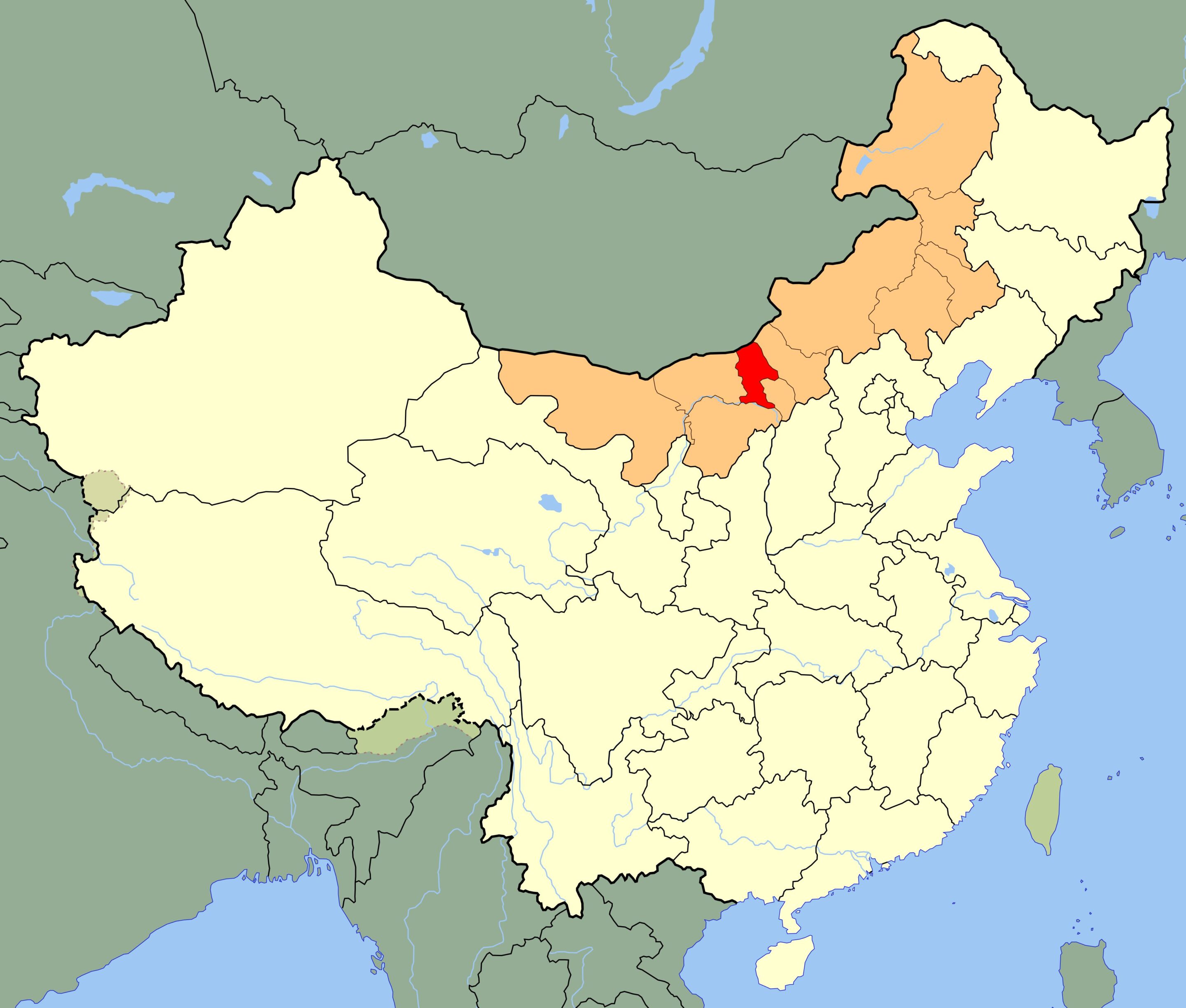
What’s going on here? China is doubling down on the science behind rare earth dominance.
Where the Money Is Aiming
According to regional officials, the new funds will focus on solving “bottleneck technologies”—China’s policy term for strategic technical constraints—in several priority sectors:
- Rare earth, new materials, and advanced applications
- Wind-solar-hydrogen energy systems
- Artificial intelligence and computing infrastructure
- Bio-manufacturing and industrial chemistry
The funding will also support major research platforms tied to China’s national innovation system, including laboratories connected to the Huairou National Laboratory network (opens in a new tab). For investors, the signal is clear: China continues to fund the entire rare earth value chain—from basic research to industrial deployment.
What Checks Out
Several aspects of the announcement align with well-established supply-chain realities:
- Bayan Obo remains the world’s largest rare earth resource base
- Baotou functions as China’s primary rare earth refining and materials hub
- Chinese industrial policy consistently integrates R&D funding with regional manufacturing clusters
In other words, the policy direction aligns with China’s long-standing strategy of combining resource control with materials science leadership.
Reading Between the Policy Lines
The official language emphasizes innovation, talent development, and “high-quality growth”—standard phrasing in Chinese regional policy announcements.
The real signal lies elsewhere: rare earth materials science sits upstream of magnets, electric motors, electronics, and defense systems. Funding breakthroughs at the materials level strengthens China’s influence over the entire downstream ecosystem.
Why Investors Should Notice
Much Western coverage of rare earths still focuses on mines.
China’s strategy has always focused on processing, materials science, and the scale of manufacturing.
By expanding research funding in the rare earth capital of Baotou, Inner Mongolia is reinforcing the formula that built China’s dominance: control the technology stack, not just the ore body.
That is where the real leverage in the rare earth supply chain ultimately resides.


0 Comments
No replies yet
Loading new replies...
Moderator
Join the full discussion at the Rare Earth Exchanges Forum →