
Highlights
- A leaked U.S. draft memo referred to Brazil as 'Country X' and mistakenly identified it as Ecuador, damaging diplomatic optics with Brasília.
- Brazil's core demand is downstream investment—separation, refining, advanced materials, and magnet manufacturing—not simply exporting raw rare earth ore.
- The proposed $2.8 billion acquisition of Serra Verde by USA Rare Earth shifted the commercial landscape surrounding Brazil's rare earth negotiations.
- From Indonesia to Namibia to Brazil, resource-rich nations are demanding value-chain ownership, complicating Western efforts to diversify away from China.
- The next critical minerals battle won't be over who owns the ore—it will be over who captures the value after it leaves the ground.
A purported leaked U.S. draft proposing a critical minerals memorandum with Brazil reportedly referred to the country as "Country X" and even mistakenly identified it as Ecuador in one section. The editing errors generated headlines, but they obscure the far more consequential story. Brazil is pushing back against becoming simply another supplier of rare earth ore. Instead, as Rare Earth Exchanges® has chronicled with this unfolding Great Powers Era 2.0, Brasília wants investment in separation, refining, advanced materials, and magnet manufacturing. For investors, the episode highlights a structural shift in global critical minerals and rare earth elements policy: resource-rich nations increasingly want to own more of the value chain, complicating Western efforts to diversify supply away from China.
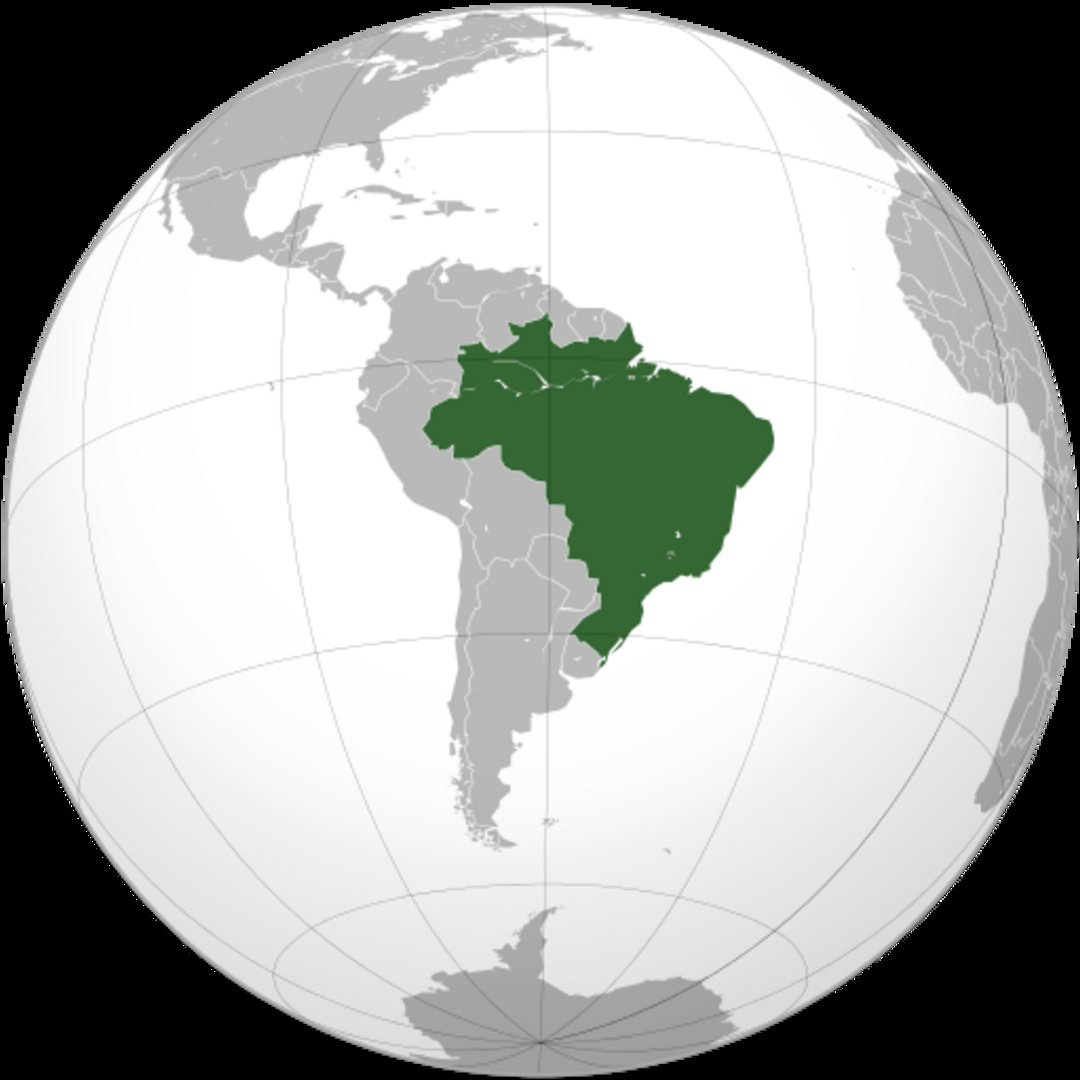
The Typo Was Embarrassing. The Negotiation Is Strategic.
According to Brazilian media such as Rio Times and CNN Brazil (opens in a new tab), the leaked State Department draft contained multiple references to "Country X," with "Brazil" handwritten into the document, while another section mistakenly referred to Ecuador. Brazilian officials reportedly viewed the errors as evidence that Washington was not fully committed to a strategic partnership. Those optics matter. But they are not the investment story.
Brazil Wants the Factory, Not Just the Mine
The real dispute is industrial policy. Brazil reportedly objected to a non-binding memorandum that emphasized cooperation on critical minerals without firm commitments to build downstream processing capacity inside the country. Brasília has consistently argued that it will not remain merely an exporter of raw materials. Instead, it seeks investment in separation, refining, advanced materials, and manufacturing—the same position it has advanced in discussions with the European Union and India.
Serra Verde Changed the Conversation
Negotiations reportedly slowed after USA Rare Earth announced plans to acquire Serra Verde, Brazil's only operating rare earth producer, in a transaction valued at approximately US$2.8 billion. Whether or not the acquisition directly altered diplomatic leverage, it unquestionably changed the commercial landscape surrounding Brazil's emerging rare earth industry.
REEx Reality Check
The leaked draft has not been independently authenticated, and much of the reporting originates from Brazilian media. Yet the underlying trend is unmistakable, as REEx continues to chronicle. From Indonesia to Namibia to Brazil, governments increasingly want processing plants, technology transfer, skilled jobs, and manufacturing—not simply mines. For investors, this is the real headline. The next battle in critical minerals will not be fought over who owns the ore. It will be fought over who captures the value after the ore leaves the ground.
Register today: REEx Marketplace™ (opens in a new tab)


0 Comments
No replies yet
Loading new replies...
Moderator
Join the full discussion at the Rare Earth Exchanges Forum →