
Highlights
- Washington is courting Brazil's vast mineral reserves to build a non-China supply chain, but only 27% of Brazil's territory has been geologically mapped—making this a frontier, not a functioning supply chain.
- Brazil maintains its own industrial ambitions and balances multiple global partners, positioning itself as a partner of choice rather than an exclusive ally of U.S. interests.
- Despite serious intent from U.S. agencies, critical gaps remain: no functioning rare earth midstream at scale, limited refining infrastructure, and heavy reliance on future financing rather than existing output.
Washington wants Brazil. That is the simple version.
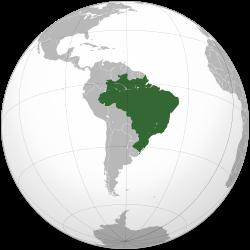
At a high-profile forum in São Paulo, U.S. officials, financiers, and industry leaders pushed a narrative of alignment: Brazil’s vast mineral reserves paired with American capital and technology could build a resilient, non-China supply chain. For a lay reader, the pitch is straightforward—Brazil supplies the minerals, the U.S. supplies the money and know-how, and both win.
It is a compelling story. It is also incomplete.
The Allure of Abundance—and the Reality Beneath
Brazil does possess enviable geology: niobium dominance, large graphite reserves, and meaningful rare earth potential. Yet only 27% of its territory has been geologically mapped—a striking admission embedded in the forum itself.
That is not a supply chain. That is a frontier.
Even more telling, much of the discussion focused on future potential—mapping, exploration, investment frameworks—not existing, bankable midstream capacity. In rare earths, geology is the beginning, not the solution.
Partnership—or Parallel Agendas?
The Chamber frames the relationship as a natural alignment. But Brazil is not a passive supplier.
Brazil has its own industrial ambitions, regulatory frameworks, and geopolitical balancing act. Forum participants themselves warned that cooperation must align with Brazil’s domestic policy goals and avoid creeping resource nationalism.
Translation: this is negotiation, not integration.
The United States may want to be “partner of choice,” but Brazil is likely to remain a partner of options—courting capital from the U.S., Europe, and Asia simultaneously.
What Rings True—and What Rings Hollow
The urgency is real. China’s dominance in rare earth processing and magnet production has forced Western governments into action. The presence of DFC, EXIM, and DOE signals serious intent.
But the narrative glosses over critical gaps:
- No functioning ex-China rare earth midstream at scale
- Limited infrastructure for refining and separation
- Heavy reliance on future financing, not existing output
- No clear path to magnet manufacturing integration
The forum speaks of supply chains. The reality is still projects, not systems.
The Strategic Subtext Investors Should Not Ignore
This is not yet a supply chain realignment. It is a capital mobilization effort searching for industrial footing.
Brazil offers resource optionality. The U.S. offers capital and urgency. But neither yet controls the middle—the processing, separation, and magnet manufacturing that define real leverage.
That remains, overwhelmingly, elsewhere.
Bottom Line: Promise Meets Gravity
The U.S.–Brazil minerals partnership is real—but early, uneven, and far from integrated. Investors should read the signals carefully:
- This is not a finished alliance.
- It is a contested buildout.
- And in rare earths, until the midstream is solved, strategy remains aspiration.


0 Comments
No replies yet
Loading new replies...
Moderator
Join the full discussion at the Rare Earth Exchanges Forum →