
Highlights
- CATL's Jianxiawo mine in Jiangxi Province received renewed land-use pre-approval, marking the first regulatory progress in nearly ten months but not authorizing mining activity
- Lithium carbonate futures fell more than 6% in a single session as traders reassessed the potential return of one of the world's largest lepidolite-hosted lithium deposits
- China's revised Mineral Resources Law now classifies lithium as a standalone strategic mineral, forcing extensive permit revisions and signaling tighter state control over supply
- The project still faces major hurdles including mining permit renewal, environmental reviews, and approval of a large tailings storage facility before production can resume
- China's growing influence over critical mineral permitting and resource governance extends well beyond processing, reshaping global battery supply chain risk for Western manufacturers
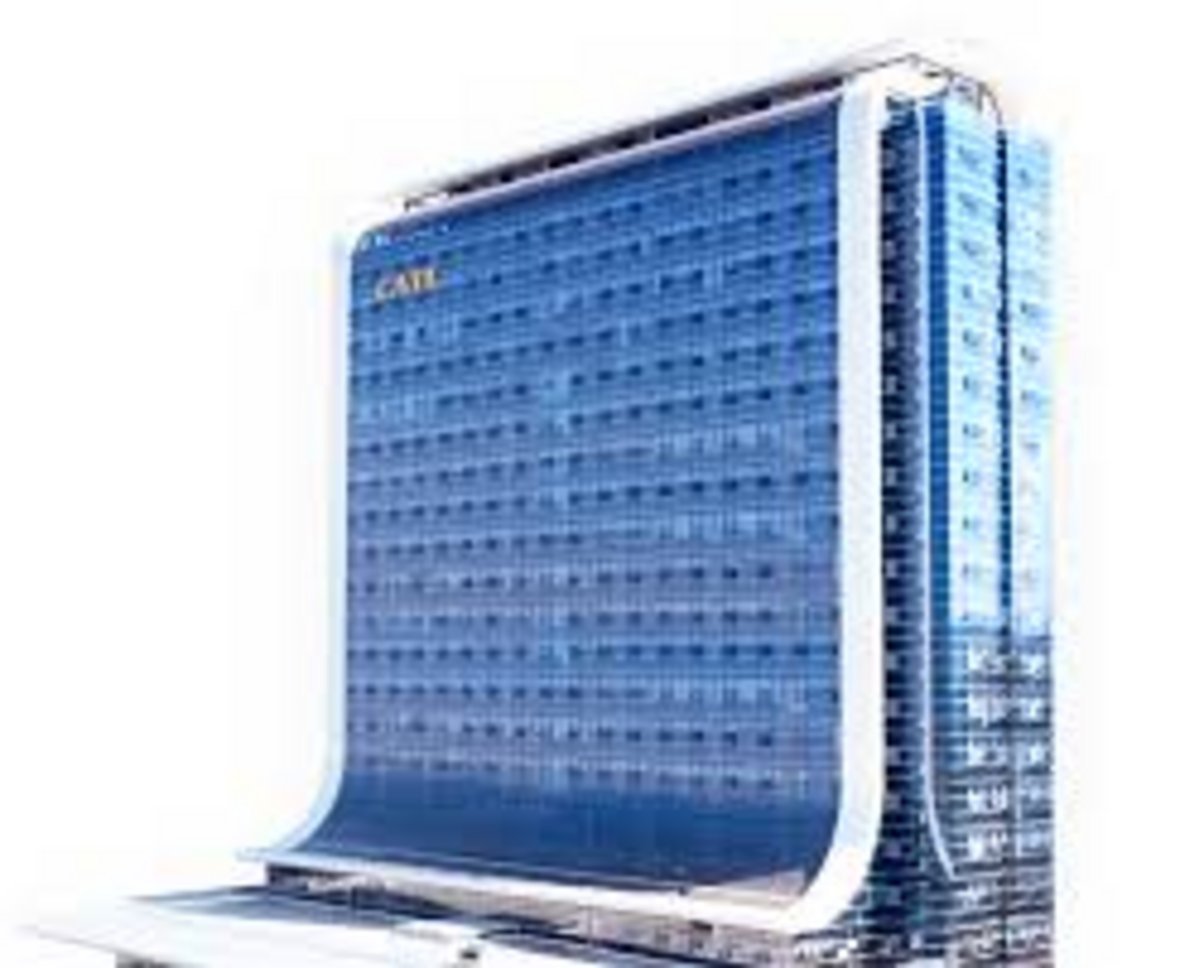
China's lithium market received a shock this week after battery giant Contemporary Amperex Technology Co., Limited (opens in a new tab) (CATL) (listed on the Shenzhen Stock Exchange (SZSE: 300750) and the Hong Kong Stock Exchange (HKEX: 3750). U.S. investors can also gain exposure through the company's over-the-counter American Depositary Receipt (ADR), trading under the ticker CYATY.)) secured renewed land-use approval for its massive Jianxiawo lithium mine in Jiangxi Province (opens in a new tab). While the permit does not restart production, investors immediately interpreted the move as the clearest sign yet that one of the world's largest lepidolite-hosted lithium deposits may be moving back toward operation. The reaction was immediate. Lithium carbonate futures fell more than 6% in a single trading session as traders reassessed the possibility that significant domestic supply could eventually return to the market.
A Key Regulatory Milestone
On June 18, Jiangxi provincial authorities issued a new Land Use Pre-Approval and Site Selection Opinion to Yichun Times New Energy Mining Co., an indirect CATL subsidiary. The approval follows the cancellation and reissuance of an earlier permit and represents an important legal prerequisite for future mine development. It does not authorize mining activity, but it does indicate that the project has successfully advanced through another stage of China's increasingly complex permitting system.
For a project that has been effectively sidelined for nearly ten months, the approval marks the first meaningful sign of regulatory progress.
Why the Mine Was Forced Offline
The roots of the shutdown trace back to China's revised Mineral Resources Law, which took effect in 2025 and elevated lithium to the status of a standalone strategic mineral. Historically, Jianxiawo operated under a framework that classified the deposit primarily as ceramic clay with associated lithium. The new regulatory regime made that approach increasingly untenable. Existing permits, land-use approvals, mine plans, and environmental documentation required extensive revision to reflect lithium's new strategic status.
The project's average lithium oxide grade of approximately 0.27%–0.28% further complicated the transition, requiring additional reviews, revised resource assessments, and new regulatory approvals before operations could resume.
Lithium Deposits in China
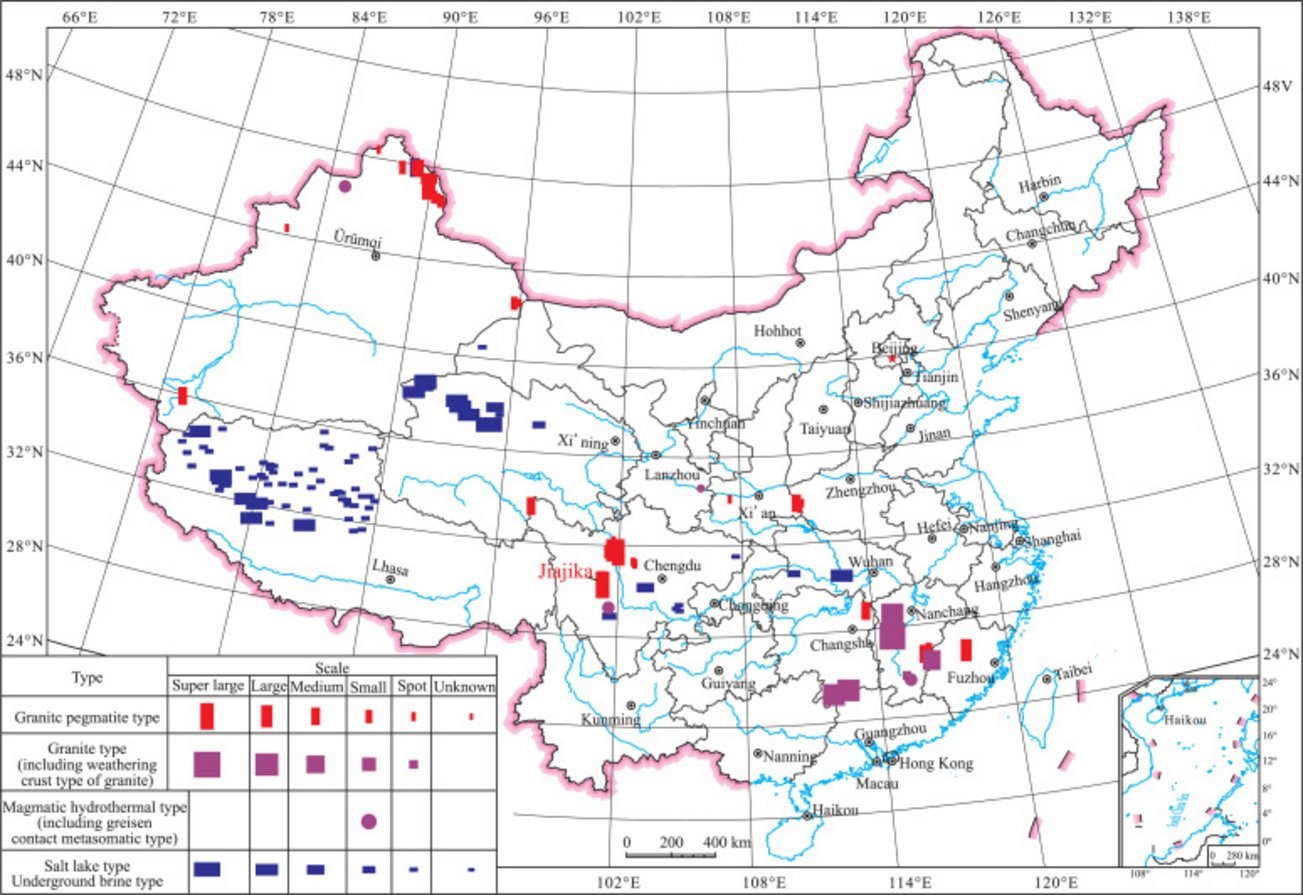
Source: ScienceDirect
Why Investors Are Paying Attention
Jianxiawo is not a typical lithium project. CATL acquired the exploration rights in 2022 for RMB 865 million. The deposit reportedly contains approximately 2.66 million tonnes of lithium oxide, equivalent to roughly 6.57 million tonnes of lithium carbonate equivalent (LCE), making it one of the largest known lepidolite-hosted lithium resources in the world. Prior to suspension, industry estimates suggested production of roughly 7,000 to 8,000 tonnes of lithium carbonate per month—an amount significant enough to influence domestic supply expectations.
That helps explain why the market reacted so strongly to what was, technically speaking, only a land-use approval.
The Tailings Challenge Remains
Investors should not confuse regulatory progress with an imminent restart.
The project still faces multiple approval requirements, including mining permit renewal, environmental reviews, and perhaps most critically, approval of a large tailings storage facility. Because the ore grade is relatively low, processing generates substantial volumes of waste material. Under China's increasingly strict environmental oversight regime, tailings management may prove to be the project's most challenging remaining hurdle. While some analysts believe production could resume in late 2026, significant uncertainty remains.
The Bigger Story: Strategic Minerals Are Being Managed Differently
The most important takeaway may have little to do with lithium prices. China is increasingly treating critical minerals as strategic assets rather than ordinary commodities. Through permitting systems, environmental oversight, strategic mineral classifications, resource governance reforms, and industrial planning, Beijing is exerting greater influence over how and when supply enters the market.
Rare earths have already followed this path. Lithium increasingly appears to be next.
For Western automakers, battery manufacturers, and critical-mineral investors, the lesson is becoming difficult to ignore: China's influence over battery supply chains extends far beyond processing and refining. It is increasingly shaping the development of the resource base itself.
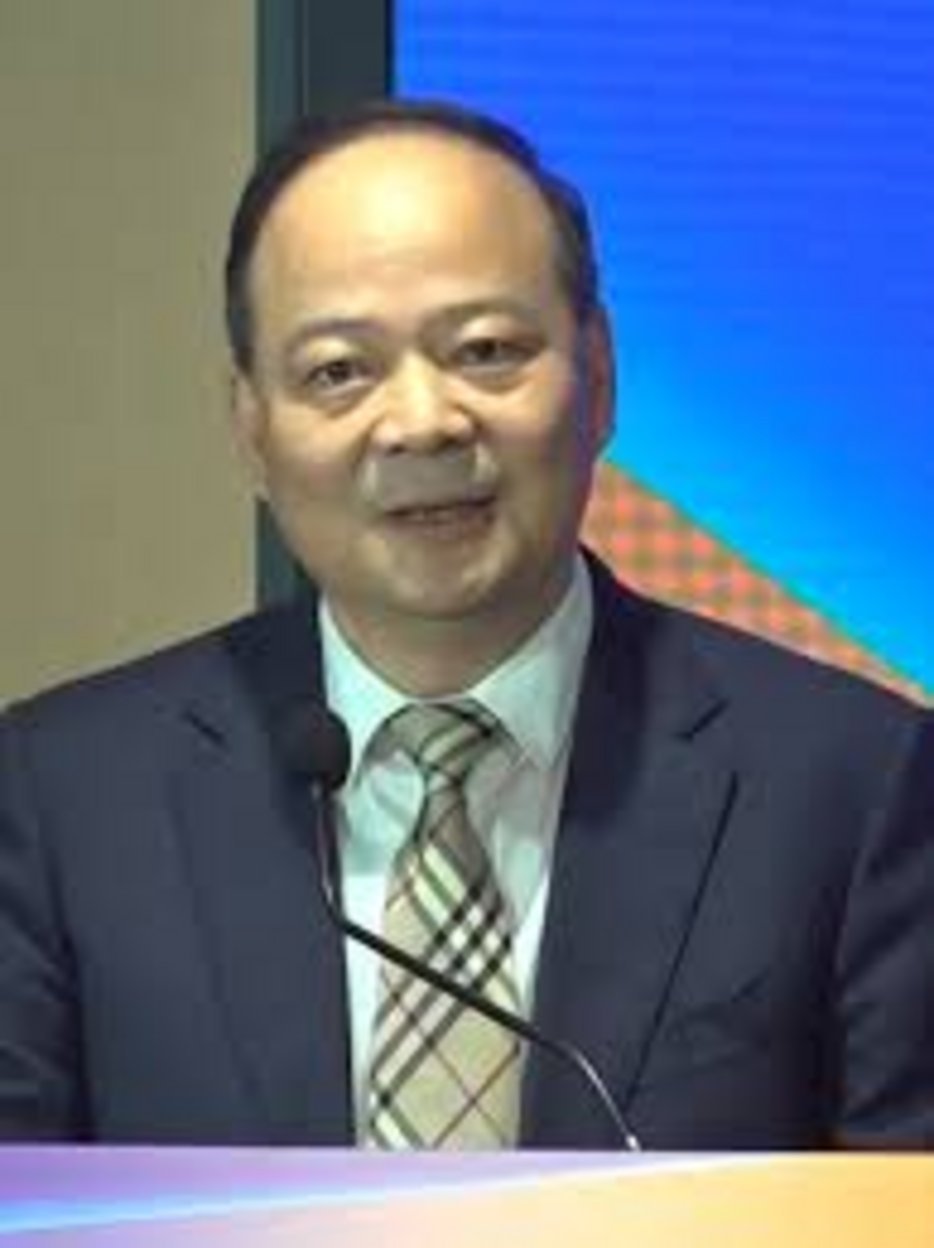
Robin Zeng, CEO CATL
CATL Profile
Contemporary Amperex Technology Co., Limited (CATL) is the world's largest manufacturer of electric vehicle and energy storage batteries, controlling approximately 42%–43% of the global power battery market and serving as a cornerstone of the clean energy transition. Founded in 2011 and headquartered in Ningde, Fujian Province, China, CATL operates more than a dozen manufacturing facilities worldwide, including major operations in Europe, while employing over 185,000 people. The company generated approximately RMB 423.7 billion ($59 billion) in revenue and RMB 72.2 billion ($10.5 billion) in net profit in 2025, while shipping an industry-leading 661 GWh of lithium-ion batteries. Growth has continued into 2026, with first-quarter revenue rising 52.5% year-over-year and net profit increasing 48.5%. Led by founder and CEO Robin Zeng, who remains the company's largest shareholder, CATL has evolved far beyond battery manufacturing, building a vertically integrated ecosystem spanning lithium resources, battery management systems, energy storage, recycling, and critical mineral supply chains. With a market capitalization exceeding $150 billion and strategic investments from global institutions and automakers, CATL has become one of the most influential companies shaping the future of transportation, energy storage, and the global battery materials market.
Ownership
CATL's ownership structure remains heavily concentrated among its founders and closely aligned Chinese investment entities. Founder, Chairman, and CEO Robin Zeng is the company's largest shareholder, controlling more than a quarter of CATL's equity through a combination of direct holdings and investment vehicles, most notably Ningbo Meishan Free Trade Port Ruiting Investment Co., Ltd (opens in a new tab)., which itself owns a significant stake in the battery giant. Co-founder and former Vice Chairman Huang Shilin remains another major shareholder, with an ownership position estimated at roughly 10%–11%. Other influential stakeholders include Ningbo Joint Innovation (Lianchuang) New Energy, an investment partnership associated with entrepreneur Pei Zhenhua, as well as a mix of Chinese institutional investors, strategic industry partners, sovereign-linked funds, and global asset managers. The structure ensures that CATL remains firmly under founder-led control while benefiting from support from both Chinese industrial capital and international institutional investors, reinforcing its position as a national champion in the global battery and energy storage industry.
Markets
China and the United States both operate lithium futures markets, but they play very different roles in the global battery supply chain. China's Guangzhou Futures Exchange (opens in a new tab) (GFEX) hosts the world's largest and most liquid lithium futures market, centered on lithium carbonate contracts that serve as a benchmark for much of Asia's battery industry. The exchange's rapid growth reflects China's dominant position in lithium refining, cathode production, battery manufacturing, and electric vehicle deployment, making it the primary venue for price discovery and risk management across the global lithium value chain. GFEX has also expanded international participation by allowing overseas investors to trade and post U.S. dollar collateral against yuan-denominated contracts.
In the United States, lithium futures trade primarily through the COMEX (opens in a new tab) division of CME Group (opens in a new tab), which offers cash-settled contracts linked to Fastmarkets assessments for lithium carbonate and lithium hydroxide delivered into China, Japan, and Korea (CJK). While these contracts provide valuable hedging tools for miners, battery manufacturers, traders, and investors, trading volumes remain significantly smaller than those seen in China. The contrast reflects the broader market reality: China remains the center of global lithium consumption and battery production, while the United States is still building domestic mining, refining, and battery manufacturing capacity. As Washington seeks to reduce dependence on Chinese supply chains through industrial policy, critical mineral initiatives, and electric vehicle incentives, U.S. lithium markets are expected to grow. For now, however, China remains the dominant force in lithium price formation, with GFEX serving as the closest equivalent to what the London Metal Exchange is for many industrial metals.
Source Disclaimer: This report is based on Chinese financial and government-linked media. Resource estimates, production forecasts, regulatory interpretations, and market implications should be independently verified before making investment decisions.
Register today: REEx Marketplace™ (opens in a new tab)


0 Comments
No replies yet
Loading new replies...
Moderator
Join the full discussion at the Rare Earth Exchanges Forum →