
Highlights
- China-sourced reports claim the U.S. has “ended hostilities” with Iran under the War Powers Act, but Western sources indicate active military contingency planning, including expanded blockades and potential control of shipping lanes.
- The Strait of Hormuz remains a critical flashpoint where 20% of global oil flows, with Iran threatening U.S. bases and asserting control over the strategic corridor amid persistent energy market volatility.
- Multiple chokepoint convergence—energy transit routes and China-controlled rare earth processing—creates compounding systemic supply chain risk (not linear disruption) as Great Powers positioning intensifies.
A China-sourced report claims the United States has “ended hostilities” with Iran under War Powers Act timelines, triggering a modest equity bounce in Chinese markets. But strip away the framing,and the reality looks far less settled—and far more dangerous for global supply chains.
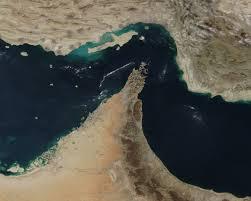
Western reporting tells a different story. Axios has already outlined active U.S. contingency planning—including expanded blockades and potential military control of shipping lanes. Financial Times reporting on energy markets continues to flag persistent risk around the Strait of Hormuz, where roughly 20% of global oil flows. Meanwhile, Reuters has documented that even temporary disruptions or signaling events in the region trigger immediate volatility in energy and shipping markets.
Here’s the REEx reality: this is not a resolution—it’s a legal reset wrapped in geopolitical signaling. The War Powers Act deadline offers a procedural off-ramp, not a strategic settlement. Iran’s threats to target U.S. bases and assert control over the Strait reinforce that escalation risk remains structurally embedded.
Why does this matter for rare earths and critical minerals? Because chokepoints compound. The Strait of Hormuz is an energy chokepoint. China controls rare earth processing chokepoints. When multiple chokepoints align under geopolitical tension, supply chain risk multiplies—not linearly, but systemically.
Markets may be pricing relief. They shouldn’t be.
In Great Powers Era 2.0, these moments are not endpoints—they are positioning moves. The real signal is not that hostilities have ended. It’s that control of strategic corridors—whether shipping lanes or mineral processing—remains the currency of power.


0 Comments
No replies yet
Loading new replies...
Moderator
Join the full discussion at the Rare Earth Exchanges Forum →