
Highlights
- China's draft Anti-Cross-Border Corruption Law covers Chinese firms abroad, foreign firms in China, and conduct involving Chinese officials or state entities.
- Article 26 could bar foreign entities from conducting law-enforcement activities in China without approval, creating conflicts with U.S. FCPA and sanctions enforcement.
- Rare earth supply chains involving state-owned enterprises, joint ventures, and government permits face heightened jurisdictional compliance risk.
- The draft includes potential countermeasures if Beijing views foreign anti-corruption actions against Chinese entities as discriminatory.
- Legal jurisdiction is emerging as a new supply-chain risk variable for critical-mineral investors alongside tariffs and export controls.
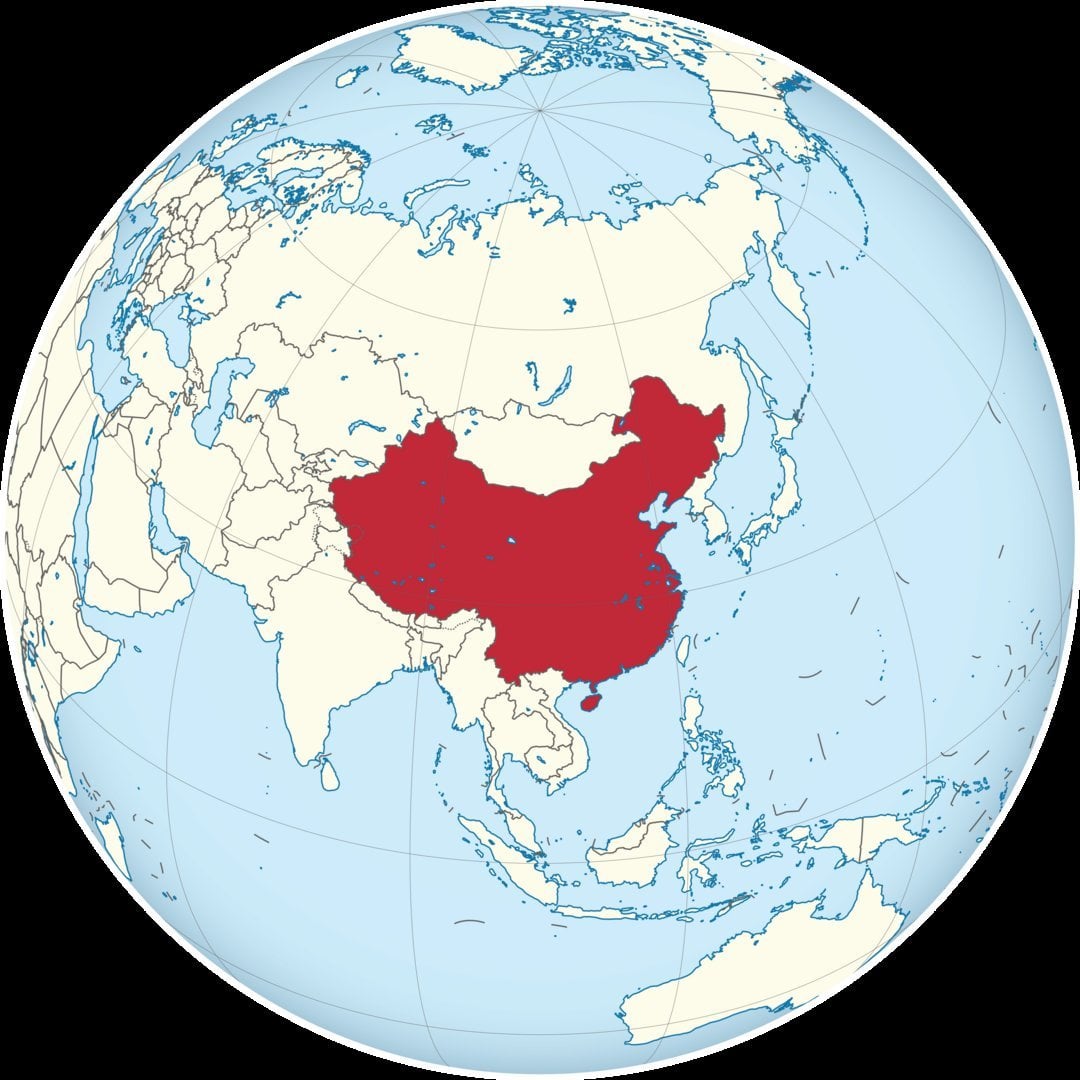
China is building an anti-corruption regime with reach beyond its borders. Its proposed Anti-Cross-Border Corruption Law would cover Chinese companies operating overseas, foreign companies operating in China, and certain foreign conduct involving Chinese officials or state entities. The draft also requires compliance systems, third-party oversight, and cooperation with investigations—while restricting unauthorized assistance to foreign investigations conducted in China.
For rare earths and critical minerals, that matters. Mining, separation, metals, and magnet supply chains frequently cross jurisdictions, involve state-owned enterprises, and depend on agents, joint ventures, and government permits.
REEx Insight: The Compliance Chokepoint Joins the Processing Chokepoint
Rare earth competition is increasingly ecosystem versus ecosystem—and law is becoming part of the ecosystem.
China already dominates key rare-earth separation, metallization, and magnet manufacturing capacity. The draft potentially adds another strategic layer: jurisdiction over how companies participating in China-connected commerce investigate corruption and move evidence across borders.
The critical provision may be Article 26. According to prominent law firm Arnold & Porter (opens in a new tab), foreign entities could not conduct law-enforcement activities in China without government approval, while China-based entities could not provide evidence or assistance to foreign enforcement without authorization.
That creates a potential compliance collision. A multinational responding to U.S. Foreign Corrupt Practices Act (opens in a new tab) (FCPA), sanctions, or other enforcement demands could simultaneously encounter Chinese restrictions governing evidence held inside China. China Briefing explicitly identifies (opens in a new tab) this potential conflict.
In REEx’s Great Powers Era 2.0™, provenance therefore extends beyond where the dysprosium came from. Investors increasingly need to ask who touched it, which government-linked entities participated, what records exist, where those records reside—and which sovereign can demand or restrict them.
Beijing Builds a Longer Legal Arm
The legislation remains a draft, not enacted law. China’s National People’s Congress (NPC) has taken it through its first reading, and important implementation questions remain. The compliance architecture itself is not exotic: accurate books, risk assessments, training, and third-party due diligence resemble established Western anti-corruption programs.
The unusual feature is the geopolitical overlay. The draft incorporates potential countermeasures where Beijing views foreign anti-corruption measures against Chinese entities as discriminatory. That makes this more than corporate housekeeping.
For critical-mineral investors, legal jurisdiction is becoming another supply-chain risk variable—alongside ore grade, recovery, qualification, tariffs, and export controls.


0 Comments
No replies yet
Loading new replies...
Moderator
Join the full discussion at the Rare Earth Exchanges Forum →