
Highlights
- China Minmetals is rolling out a unified enterprise-wide digital management platform to connect operational, financial, and management systems under centralized SASAC oversight.
- General Manager Zhu Kebing called for a shift toward higher-quality growth, emphasizing operational efficiency, tighter risk controls, and modernized business models over traditional expansion.
- The modernization push signals that China's competitive edge in critical minerals increasingly stems from organizational coordination and digital infrastructure, not geology alone.
- Safety compliance, anti-corruption controls, and procurement oversight were highlighted during inspections of high-risk construction projects in Shanghai.
- Western policymakers and investors are urged to monitor how Beijing's governance reforms at flagship state-owned enterprises shape China's long-term critical minerals strategy.
China Minmetals, one of China's largest state-owned mining and metals conglomerates, is accelerating a broad modernization effort spanning digital transformation, operational efficiency, centralized management, safety oversight, and long-term strategic planning. While neither announcement contains a major commercial breakthrough, together they offer a revealing look into how Beijing is preparing one of its most strategically important industrial groups for a more competitive—and geopolitically contested—future. For Western investors and policymakers tracking China's critical minerals strategy, the emphasis on unified digital systems, tighter regulatory oversight, improved governance, and integrated industrial coordination deserves close attention.
Why China Minmetals Matters
China Minmetals is not simply another mining company. As one of Beijing's largest centrally controlled state-owned enterprises, it operates across mining, metals, engineering, construction, trading, and resource development. Through subsidiaries—including China Minmetals Rare Earth (now part of China Rare Earth Group)—the company has played an important role in China's broader critical minerals ecosystem. Decisions made within Minmetals often reflect wider Chinese industrial policy rather than purely commercial priorities.
A Push for Higher Quality Growth
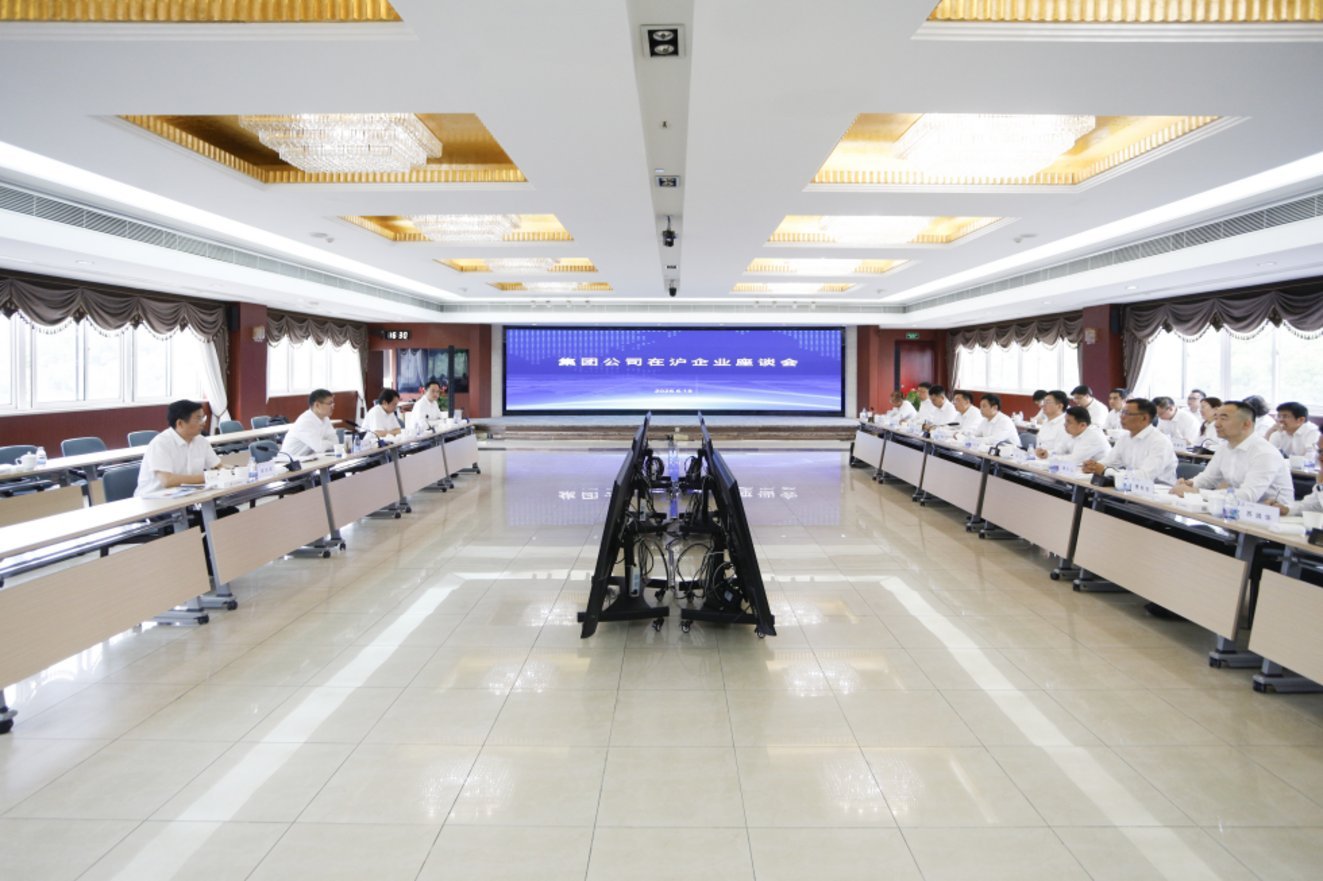
During a June 18 strategy symposium in Shanghai, General Manager Zhu Kebing met with executives from eight Shanghai-based subsidiaries to review business performance, technological innovation, strategic transformation, and development plans under China's upcoming 15th Five-Year Plan.
Rather than emphasizing growth for growth's sake, Zhu called for a shift toward higher-quality development. He urged managers to move beyond traditional expansion strategies by improving operational efficiency, strengthening risk controls, optimizing capital allocation, tightening cost management, and modernizing business models. He also stressed stronger corporate governance, more rigorous oversight of state assets, and greater accountability across the organization.
Digital Transformation Becomes a Strategic Priority
A recurring theme across both meetings was the accelerated rollout of a unified enterprise-wide digital management platform.
During a visit to Shanghai Baoye, Zhu praised progress on a pilot program designed to connect operational, financial, and management systems into a single integrated digital architecture. The objective is end-to-end data visibility, improved traceability, and more effective regulatory oversight consistent with requirements from China's State-owned Assets Supervision and Administration Commission (SASAC).
For Western observers, this is significant because it illustrates Beijing's continued effort to digitize and centrally monitor major state-owned industrial enterprises, potentially improving decision-making, compliance, operational efficiency, and resource coordination.
Safety, Compliance—and Competitive Pressure
Zhu also inspected construction at Shanghai's Baoshan Station project, emphasizing workplace safety, disaster preparedness, anti-corruption controls, procurement oversight, and compliance in high-risk contracting activities. Notably, he acknowledged that China's engineering and construction sectors face increasingly intense competition. His response was not retrenchment but greater coordination across China Minmetals' integrated industrial network to strengthen competitiveness through collaboration rather than decentralized expansion.
Why It Matters Outside China
Neither announcement introduces a new mine, processing facility, or rare earth project. Instead, the significance lies in the management philosophy.
China appears intent on making its flagship industrial enterprises leaner, more digitally integrated, better governed, and more tightly aligned with national strategic objectives. For Western governments and companies seeking to compete in critical minerals, these initiatives reinforce that China's competitive advantage increasingly extends beyond geology. It also includes organizational coordination, digital infrastructure, centralized governance, and long-term industrial planning.
Disclaimer: This report is based on announcements published by China Minmetals, a Chinese state-owned enterprise. The information reflects official corporate communications and should be independently verified before being relied upon for investment or commercial decisions.


0 Comments
No replies yet
Loading new replies...
Moderator
Join the full discussion at the Rare Earth Exchanges Forum →