
Highlights
- CREIA and Guangdong's rare earth association met to address coordination gaps between raw material suppliers, permanent magnet makers, electric motor producers, and end users.
- Secretary General Lin Anli identified insufficient supply chain integration as a key bottleneck limiting China's next stage of high-quality rare earth development.
- Guangdong's role as a major hub for electric motors, consumer electronics, and industrial equipment makes it central to China's downstream rare earth strategy.
- The meeting explicitly linked industrial coordination with dual-use export control implementation and broader national strategic objectives.
- Western manufacturers and policymakers should note that China is prioritizing vertical integration, not just mineral output, potentially deepening its lead in magnets, EVs, and robotics.
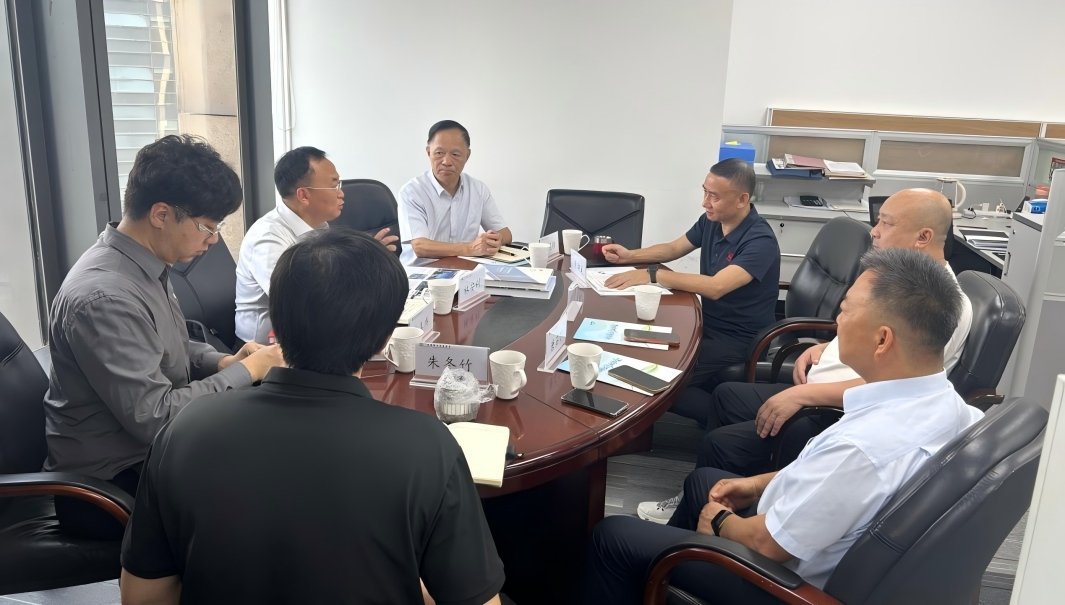
China's rare earth strategy is entering a new phase. Rather than focusing solely on mining or refining, industry leaders are now targeting a less visible weakness: coordination across the entire rare earth value chain. During a July 13 meeting in Guangdong Province, the China Rare Earth Industry Association (CREIA) and the Guangdong Rare Earth Industry Association discussed ways to better integrate rare earth producers, permanent magnet manufacturers, electric motor companies, and downstream industrial users. The discussions underscore Beijing's continuing effort to strengthen domestic industrial competitiveness as rare earths become an increasingly strategic geopolitical asset.
CREIA Identifies the Industry's Biggest Bottleneck
According to the association, Lin Anli, Vice Chairman and Secretary General of CREIA, reviewed the organization's recent initiatives following its leadership transition. These include supporting China's national rare earth strategy, advising government agencies, assisting relevant authorities with implementation of dual-use export controls, and providing services to industry participants.
Lin highlighted what he described as one of the industry's principal constraints: insufficient coordination between suppliers of rare earth raw materials, permanent magnet manufacturers, electric motor producers, and companies building finished products. In his view, this lack of integration has become a bottleneck limiting the industry's next stage of high-quality development.
To address that gap, CREIA intends to work more closely with Guangdong's large base of downstream manufacturers by engaging end users directly, identifying their material requirements, and helping coordinate solutions across the supply chain.
Why Guangdong Matters
Guangdong is one of China's largest manufacturing centers for electric motors, consumer electronics, industrial equipment, and other products that depend heavily on rare earth permanent magnets. Provincial association leaders said they will expand member services, strengthen market connections, support companies pursuing government-backed industrial projects, and align closely with policies issued by China's Ministry of Industry and Information Technology (MIIT) and the National Development and Reform Commission (NDRC) related to industrial development and carbon reduction.
Executives from Zhuhai Jili Motor Co. also participated in the meeting, reinforcing the emphasis on connecting upstream rare earth suppliers with downstream manufacturers.
Why Western Business Leaders Should Pay Attention
For manufacturers and policymakers in the United States and Europe, the meeting offers another indication that China is prioritizing vertical integration across the rare earth ecosystem—not simply increasing mineral production. The discussion explicitly connected industrial coordination with China's broader strategic objectives, including support for dual-use export control implementation and strengthening the competitiveness of domestic manufacturers.
If these efforts succeed, China could further reinforce its advantages in permanent magnets, electric motors, robotics, electric vehicles, and other advanced manufacturing sectors where Western governments are investing billions to establish more resilient, non-Chinese supply chains.
Disclaimer: This report is based on a news release published by the China Rare Earth Industry Association (CREIA), an industry organization that operates within China's state-directed industrial policy framework and works closely with government ministries. The information reflects the organization's official account and should be independently verified before being relied upon for investment, policy, or commercial decision-making.


0 Comments
No replies yet
Loading new replies...
Moderator
Join the full discussion at the Rare Earth Exchanges Forum →