
Highlights
- China Rare Earth Group and Shenzhen's SASAC met to expand cooperation on innovation, downstream manufacturing, capital investment, and commercialization of rare earth materials.
- The partnership reinforces Beijing's strategy to integrate the entire rare earth value chain—from heavy rare earth mining in Jiangxi to advanced materials and commercialization in Shenzhen.
- Heavy rare earths including dysprosium and terbium are a key focus, highlighting China's continued dominance in the segment where Western supply alternatives remain most limited.
- Unlike Western industrial policy that funds individual projects, China is building coordinated ecosystems linking central SOEs, provincial governments, research institutions, and state-backed financiers.
- China's hybrid centralized-decentralized model—guided by Party priorities—enables strategic alignment across separate ownership structures, a coordination level difficult for market economies to replicate.
China Rare Earth Group and Shenzhen's State-owned Assets Supervision and Administration Commission ( (opens in a new tab)SASAC) have announced plans to deepen cooperation on rare earth innovation, downstream manufacturing, capital investment, and commercialization. While no major commercial agreement or technological breakthrough was announced, the meeting offers another window into China's long-term industrial strategy. Rare Earth Exchanges® analysis: this is less about a single partnership than the continued consolidation of China's rare earth industrial complex—bringing together state capital, advanced manufacturing, research institutions, talent, and downstream industries into an increasingly coordinated national ecosystem. For Western investors, the significance lies not in one meeting, but in the cumulative strengthening of China's integrated supply chain.
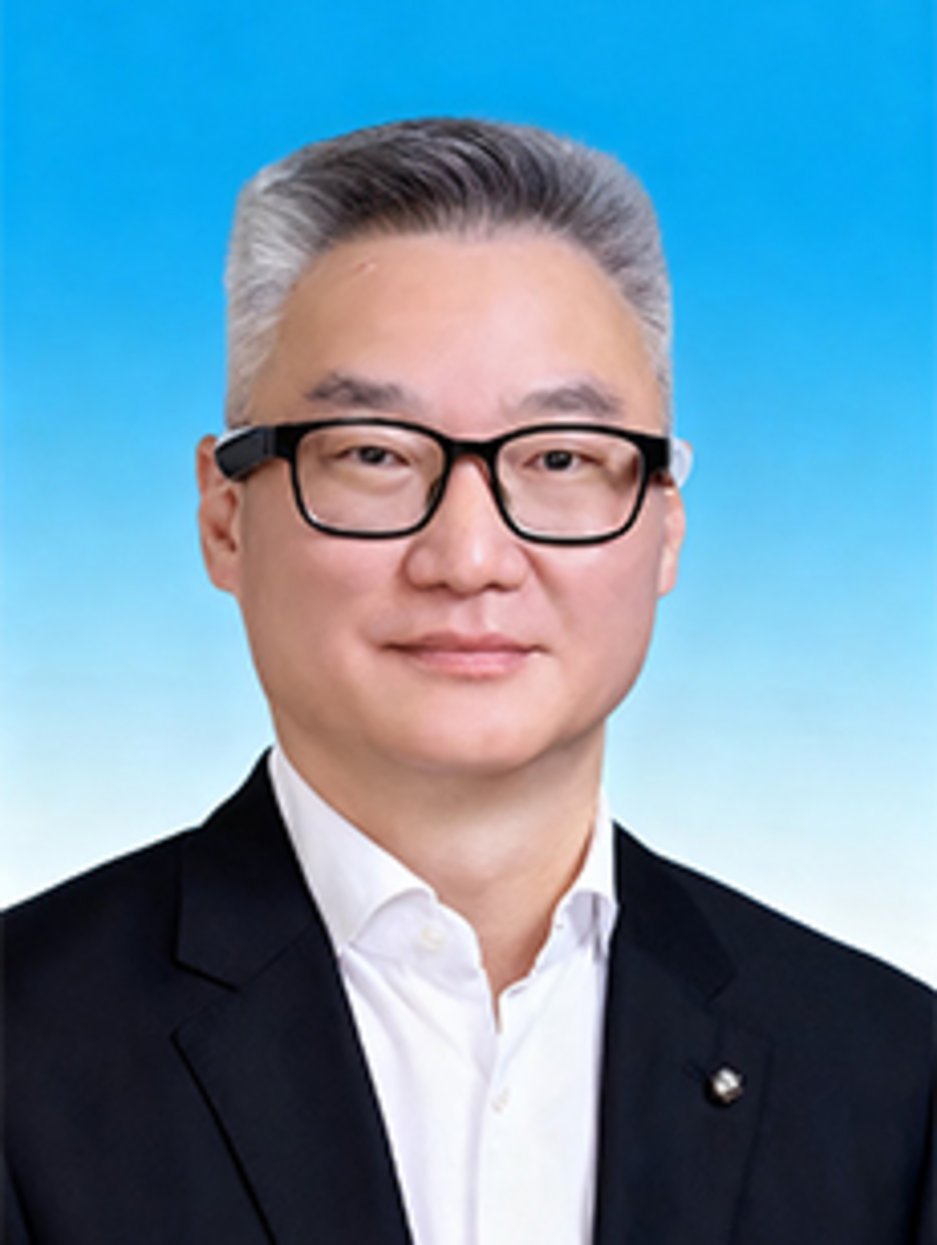
Yang Jun, Party Secretary and Director of the Municipal State-owned Assets Supervision and Administration Commission
Beyond Mining: Building an Industrial Ecosystem
China Rare Earth Group Chairman Liu Leiyun met July 3 with Yang Jun (opens in a new tab), Director of Shenzhen's SASAC, to discuss expanding cooperation between the central government-owned rare earth company and Shenzhen's municipal state-owned enterprises.
According to the announcement, discussions centered on:
- Expanding investment through state-backed capital.
- Extending the downstream rare earth value chain.
- Building innovation, research, and talent hubs in Shenzhen.
- Accelerating commercialization of advanced rare earth materials.
- Strengthening collaboration between Jiangxi Province's heavy rare earth resources and Shenzhen's technology and manufacturing ecosystem.
The emphasis was notable. Mining received relatively little attention. Instead, discussions focused on innovation, commercialization, financing, advanced materials, and industrial coordination.
Considering the Heavies
For heavy rare earths, the implications may be especially important. China Rare Earth Group is the country's principal state-owned enterprise overseeing much of China's ionic clay heavy rare earth mining and downstream processing. While this meeting announced no new production capacity, it reinforces Beijing's continued focus on integrating the supply chain for dysprosium, terbium, and other scarce heavy rare earth elements. For Western governments and manufacturers seeking secure non-Chinese supplies, the announcement serves as another reminder that China continues to strengthen coordination across the very segment of the rare earth market where its global dominance remains the greatest.
The Quiet Consolidation Continues
While no new mine was announced, no processing breakthrough was unveiled, and no acquisition was disclosed, the meeting reinforces a broader trend that Rare Earth Exchanges has documented since our launch in late 2024: China continues to consolidate its rare earth sector—not merely through ownership, but through tighter coordination among central state-owned enterprises, provincial governments, municipal investment authorities, research organizations, financiers, and downstream manufacturers.
This should not be interpreted as evidence of a new merger or restructuring. Rather, it represents another step toward a more integrated industrial system designed to accelerate technology transfer, capital allocation, workforce development, and commercialization.
For investors, this coordination may ultimately prove more important than any individual project announcement.
Why Western Investors Should Pay Attention
Western industrial policy often concentrates on financing mines and processing facilities. China's strategy increasingly spans the entire value chain simultaneously—from resource development and separation to advanced materials, manufacturing, commercialization, and market creation. The meeting also reinforces Shenzhen's expanding role as China's commercialization hub for high-value technologies, linking rare earth materials with sectors including robotics, electric vehicles, aerospace, defense electronics, and low-altitude aviation.
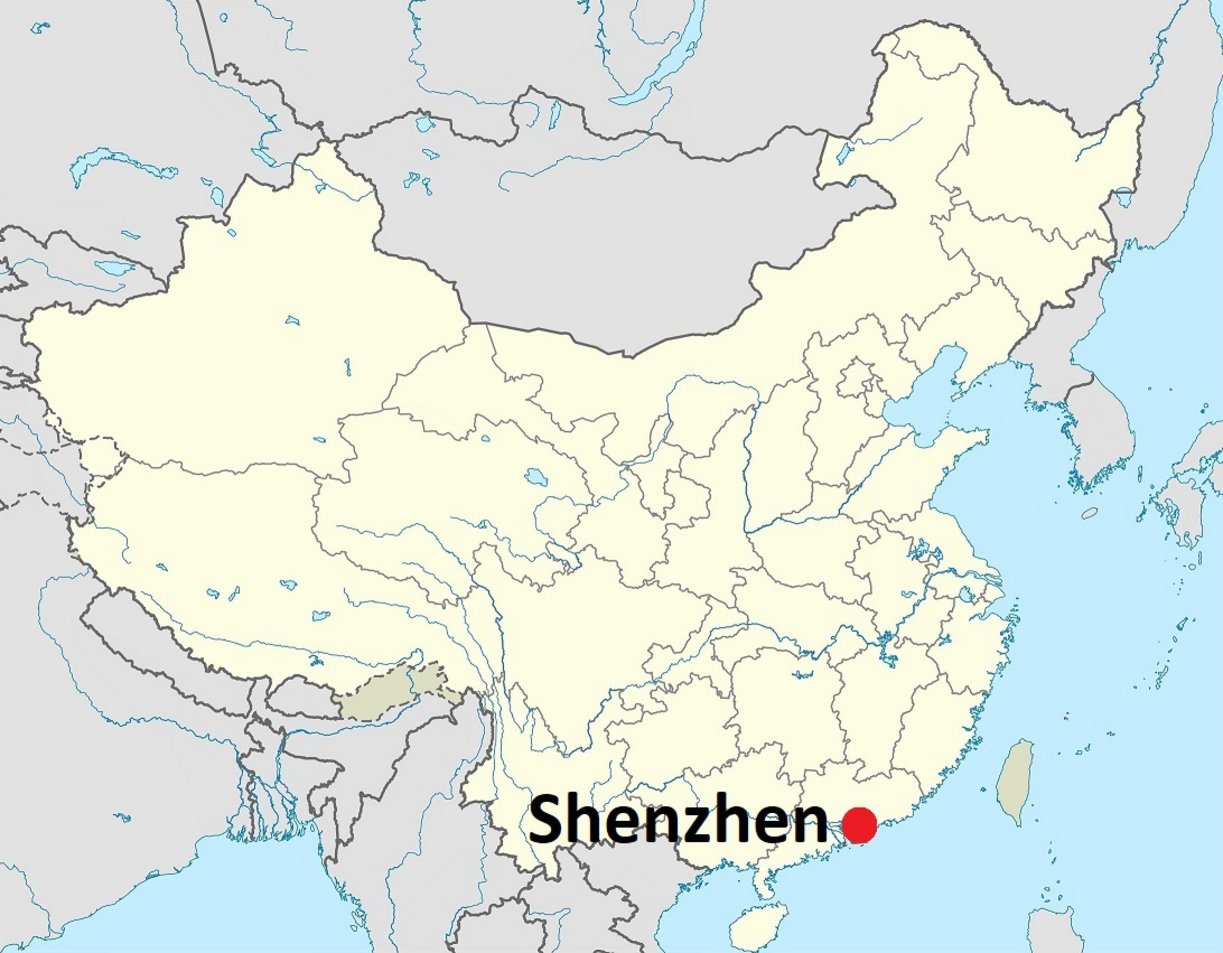
Rare Earth Exchanges' Perspective: The West often measures progress one project at a time. China continues to build competitive advantage one ecosystem at a time. That distinction may become increasingly important as global competition shifts from securing raw materials to controlling integrated industrial capability.
Did You Know? China's Industrial System Is Both Decentralized and Highly Centralized
One of the more misunderstood aspects of China's economy is that it is both decentralized and highly centralized at the same time. China Rare Earth Group is a central state-owned enterprise (SOE) ultimately overseen by Beijing, while Shenzhen SASAC reports to the Shenzhen municipal government, not to the national SASAC in Beijing. Yet despite their separate ownership structures, they routinely coordinate around national strategic priorities. In practice, China's industrial policy often aligns central SOEs, provincial governments, municipal SOEs, research institutions, and state-backed capital behind common objectives—most namely—Party initiative. The Party remains the ideological glue that binds a quite decentralized (and centralized) unfolding society. This hybrid model gives China the flexibility of regional initiative while maintaining national strategic direction—a level of coordination that is difficult for most market economies to replicate, particularly in strategically important sectors such as heavy rare earths and permanent magnets.
Disclaimer: This report is based on information released by China Rare Earth Group and distributed through the China Rare Earth Industry Association, organizations operating within China's state sector. The announcement reflects official Chinese sources and has not been independently verified. Readers should corroborate material developments through independent reporting and regulatory disclosures before making investment or policy decisions.
Register today: REEx Marketplace™ (opens in a new tab)


0 Comments
No replies yet
Loading new replies...
Moderator
Join the full discussion at the Rare Earth Exchanges Forum →