
Highlights
- Beijing's zero-tariff initiative for African nations is designed to deepen integration of African resources into Chinese-controlled processing and manufacturing networks.
- China's competitive advantage lies not in mine ownership but in its ability to refine, separate, and industrialize critical materials at scale downstream.
- Africa is emerging as a central battleground in Great Powers Era 2.0, with the US, Europe, Russia, and Gulf nations all competing for critical mineral influence.
- Many African governments seek to move beyond raw material exports into refining and battery materials, but face steep infrastructure and technical barriers.
- The global race to replicate China's critical minerals processing ecosystem may produce a more fragmented, structurally higher-cost supply chain worldwide.
For decades, Africa exported rocks while others captured the wealth. Now, a new geopolitical contest is unfolding across the continent’s mines, industrial parks, ports, railways, and mineral corridors—and China is moving to ensure it remains at the center of it.
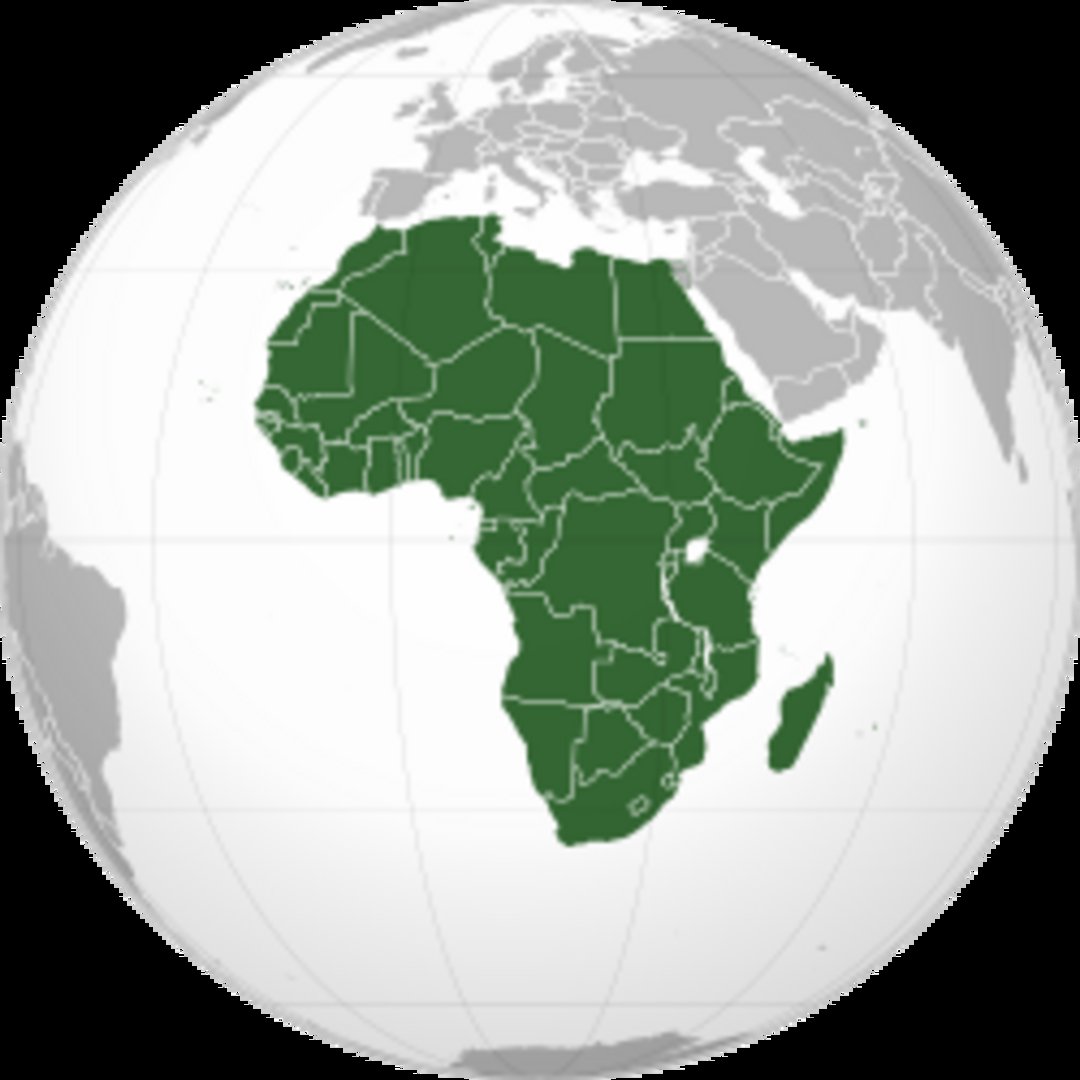
In a series of recent announcements, Beijing expanded zero-tariff treatment to nearly all African nations with diplomatic relations with China, deepening one of the most consequential economic relationships in the world. On the surface, the initiative is presented as a development program designed to boost African exports into the Chinese market. But viewed through the lens of rare earths, battery metals, and industrial strategy, the move appears to be part of something much larger: a long-term effort to anchor China’s influence across the next generation of critical mineral supply chains.
The New Scramble for Africa Has Begun
The timing is hardly accidental. Africa sits atop some of the world's most important reserves of cobalt, manganese, graphite, lithium, copper, nickel, uranium, platinum group metals, and rare earth elements. These resources are increasingly viewed as strategic assets in an age defined by electrification, artificial intelligence, robotics, defense modernization, aerospace systems, and advanced manufacturing.
China understood this reality long before much of the West.
Over the last two decades, Chinese firms financed mines, railroads, processing facilities, industrial parks, ports, and power infrastructure across the continent. Today, Beijing's tariff initiative appears designed to deepen those relationships while making China an even more attractive destination for African exports and investment partnerships.
The Real Prize Is Not the Mine
Many Western discussions about critical minerals remain fixated on resource extraction.
China's strategy increasingly operates several steps further downstream. The most valuable segments of the supply chain are often not the mines themselves, but the refining, separation, metallurgical processing, magnet production, precursor chemicals, battery materials, alloys, and advanced manufacturing ecosystems built around them. This distinction matters enormously.
Rare Earth Exchanges™ has argued since our 2025 launch that China's greatest competitive advantage is not simply geological access but its ability to industrialize materials at scale. The new tariff framework potentially strengthens China's ability to integrate African resource production into Chinese-controlled processing and manufacturing networks. The mine feeds the refinery. The refinery feeds the magnet plant. The magnet plant feeds the robotics factory. That is where strategic leverage emerges.
Great Powers Era 2.0 Arrives in Africa
At REEx, we have repeatedly advanced the thesis of Great Powers Era 2.0—a period defined by industrial competition, strategic nationalism, supply-chain securitization, and the fragmentation of globalization into competing economic blocs.
Africa is rapidly becoming one of the central theaters of that contest.
The United States is expanding critical mineral partnerships. Europe is implementing the Critical Raw Materials Act while seeking alternative supply sources. Russia continues pursuing resource and security relationships across multiple African states. Gulf nations are increasing investments in mining and logistics corridors. China, meanwhile, is attempting to deepen economic integration while preserving its dominant downstream position.
The result is not deglobalization. It is re-globalization around strategic spheres of influence.
Can Africa Move Beyond Raw Materials?
This is where the story becomes far more complicated. Many African governments increasingly want more than royalties and export revenues. Policymakers from Namibia to Tanzania to the Democratic Republic of Congo have expressed ambitions to move downstream into refining, processing, battery materials, and higher-value industrial activity. The logic is compelling.
Why export raw mineral concentrates if greater economic value can be captured domestically?
Yet industrial reality remains unforgiving.
Rare earth separation plants, battery precursor facilities, metallurgical complexes, and advanced refining operations require stable electricity, transportation infrastructure, engineering expertise, chemical processing capacity, environmental controls, financing, and highly specialized talent. China spent decades building these ecosystems. Replicating them is extraordinarily difficult.
Some African nations will likely make meaningful progress. Others may struggle to move beyond resource extraction. The winners will probably be those able to combine mineral endowment, political stability, infrastructure development, foreign capital, technical expertise, and coherent industrial policy.
The Cost Curve May Be Rising for Everyone
One of the least discussed consequences of the emerging critical minerals race is cost.
In the Great Powers Era 2.0 framework, more nations are attempting to build their own refining, processing, magnet manufacturing, battery supply chains, and strategic materials ecosystems. That means more competition for engineers, equipment, chemicals, financing, energy, and skilled labor.
The world is effectively trying to recreate portions of the industrial infrastructure China spent thirty years consolidating. That duplication may prove expensive. Rather than producing a low-cost alternative to Chinese dominance, the next decade could deliver a more fragmented and structurally higher-cost global critical minerals system.
Ironically, that dynamic may strengthen the value of strategic assets themselves.
The Next Front in the Critical Minerals & Specialized Commodities War
China's tariff initiative should not be viewed merely as a trade policy. It is part of a broader contest over who will shape the industrial architecture of the twenty-first century. The battle is no longer simply about controlling mineral deposits. It is increasingly about controlling the systems that transform those deposits into strategic economic power.
And as Beijing, Washington, Brussels, Moscow, and others deepen their push into Africa, the continent may become one of the most important geopolitical and industrial battlegrounds of the coming generation.
Will the future of rare earths, batteries, advanced manufacturing, and industrial sovereignty ultimately be determined not in Beijing or Washington—but rather, in Kinshasa, Windhoek, Dar es Salaam, Lusaka, and a rising network of African industrial corridors still being built?


0 Comments
No replies yet
Loading new replies...
Moderator
Join the full discussion at the Rare Earth Exchanges Forum →