
Highlights
- The Czech Geological Survey reports that Ethiopia has significant untapped mineral potential, with only half the country mapped in detail, and that it focuses primarily on tantalum, gold, and gemstones rather than on rare-earth development.
- Despite promotional tone from the Ethiopian News Agency, no concrete grades, tonnage, pilot data, or development timelines exist for rare-earth projects, keeping Ethiopia far from a bankable REE supply-chain status.
- European Commission's 2025 strategic project list prioritizes rare-earth projects in Malawi and South Africa over Ethiopia, making it a geological watchlist story rather than an active supply-chain player.
A map can whisper riches long before a mine exists. In an April 30 report (opens in a new tab), the Ethiopian News Agency quoted Jan Černík and Petr Mixa of the Czech Geological Survey, saying Ethiopia has significant untapped potential and that only about half of the country has detailed geological mapping. That is plausible: Czech teams have worked there since 2015, a new national geology-hydrogeology map was recognized this year, and Ethiopia runs an online mining cadastre.
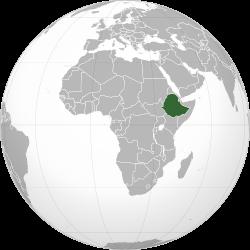
The Map is Not the Mine
Here is the missing ballast: Ethiopia is a real tantalum jurisdiction, but the latest available USGS country chapter centers on gemstones, gold, pumice, and tantalum—not a rare-earth mine buildout. Academic papers describe REE behavior in northern laterites and rare-element pegmatites in the south, which is scientifically interesting but still far from a bankable REE project with metallurgy, recovery data, or offtake.
Tantalum
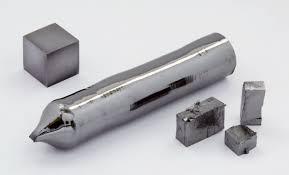
Where the Story Starts to Shimmer
Because the source is Ethiopia’s national wire service, the tone leans promotional. The piece offers no grades, no tonnage, no pilot data, no separation route, and no development timeline. One extra caution: some web chatter even confuses Ethiopia the country with iTech Minerals’ “Ethiopia Prospect,” which is actually in South Australia.
Why REEx Readers Care?
Supply chains are built in the midstream, not in adjectives. The market is looking elsewhere first: the European Commission’s 2025 external strategic project list backed rare-earth projects in Malawi and South Africa, not Ethiopia. For now, Ethiopia is a geological watchlist story—not yet a rare-earth supply-chain story.


0 Comments
No replies yet
Loading new replies...
Moderator
Join the full discussion at the Rare Earth Exchanges Forum →